

felosa-do-mato vs estrelinha-real
Curruca undata versus Regulus ignicapilla
Jogue um quiz com felosa-do-mato e estrelinha-real
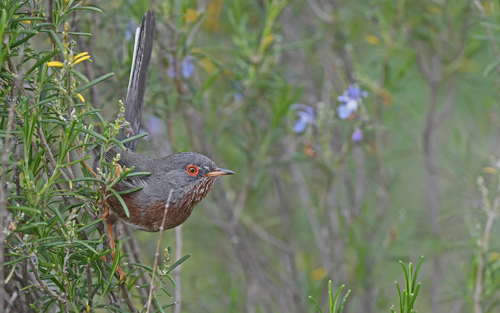 felosa-do-mato
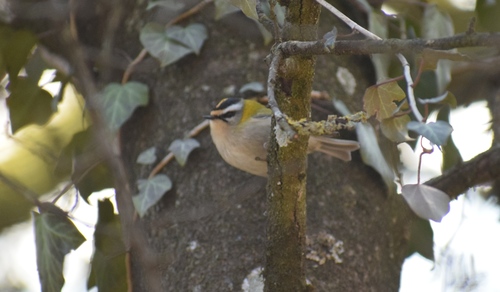 estrelinha-real
Em resumo
A maneira mais confiável de separar a felosa-do-mato da estrelinha-real é pela estrutura geral e padrão da cabeça: a felosa-do-mato é uma warbler esbelta e de cauda longa com cores suaves e um rosto vermelho simples, enquanto a estrelinha-real é um pássaro minúsculo e rechonchudo com um padrão de cabeça marcante—supercílios brancos ousados, faixa ocular preta e uma faixa de coroa brilhante amarela ou laranja. As estrelinhas-reais juvenis podem não ter a coroa colorida, mas ainda mostram um padrão facial forte, enquanto os juvenis da felosa-do-mato se assemelham a fêmeas mais apagadas e nunca têm um rosto ousado. Em voo ou empoleirada, a longa cauda e o bico fino da felosa-do-mato são óbvios, contrastando com a cauda curta, o bico minúsculo e a aparência compacta da estrelinha-real. Ambas as espécies podem ocorrer em regiões semelhantes do oeste da Europa, mas seus habitats e comportamentos preferidos são bastante diferentes.
Dicas de identificação
- O padrão da cabeça é a verificação mais rápida: A estrelinha-real sempre mostra um supercílios branco ousado, faixa ocular preta e (em adultos) uma faixa de coroa brilhante amarela ou laranja; a felosa-do-mato tem um rosto vermelho simples sem padrão forte, apenas um olho vermelho.
- A estrelinha-real juvenil ainda mostra um rosto forte: Mesmo as jovens estrelinhas-reais têm um supercílios opaco, mas claro, e faixa ocular, enquanto os juvenis da felosa-do-mato têm o rosto simples e se assemelham a fêmeas mais apagadas.
- Faixas alares: A estrelinha-real sempre mostra duas faixas alares brancas proeminentes na asa dobrada; a felosa-do-mato não possui faixas alares em nenhuma idade.
- Comprimento e forma da cauda: A felosa-do-mato tem uma cauda muito longa e fina, frequentemente mantida ereta ou balançada; a estrelinha-real tem uma cauda muito curta, o que contribui para sua aparência arredondada.
- Forma do bico: A felosa-do-mato tem um bico longo, fino e pontudo, adequado para colher insetos em arbustos; a estrelinha-real tem um bico minúsculo, fino e pontudo, proporcionalmente muito mais curto.
- Estrutura do corpo: A felosa-do-mato é esbelta e alongada, com uma cauda longa e corpo estreito; a estrelinha-real é extremamente pequena, rechonchuda e compacta.
- Cor da parte superior: A felosa-do-mato é marrom-cinza ou cinza-acastanhado acima (machos mais cinzentos, fêmeas mais acastanhadas); a estrelinha-real é verde-oliva brilhante com uma mancha de ombro bronze.
- Partes inferiores: A felosa-do-mato é marrom-avermelhada opaca abaixo, com uma mancha de barriga branca suja; a estrelinha-real é esbranquiçada abaixo, com uma lavagem cinza-acastanhada no peito e flancos.
- Marcas na garganta: A felosa-do-mato tem uma garganta avermelhada com manchas brancas (mais óbvias em machos); a garganta da estrelinha-real é simples e esbranquiçada, misturando-se ao padrão facial.
- Cor dos olhos: A felosa-do-mato tem um olho vermelho; a estrelinha-real tem um olho escuro, mas o padrão facial ousado domina.
- Aparência empoleirada: A felosa-do-mato frequentemente empoleira-se ereta no topo de arbustos, com a cauda ereta; a estrelinha-real é geralmente vista movendo-se rapidamente na folhagem, muitas vezes em alturas, com uma postura horizontal.
- Estilo de voo: A felosa-do-mato voa baixo e direto sobre arbustos; a estrelinha-real tem um voo fraco, zumbidor e tremulante, frequentemente com curvas rápidas e breves pairadas.
- Contexto de habitat: A felosa-do-mato está quase sempre em charnecas abertas, tojos ou áreas arbustivas; a estrelinha-real está em florestas, especialmente coníferas, e raramente em arbustos abertos.
- Diferenças sexuais: O macho da estrelinha-real tem uma faixa de coroa laranja, a fêmea amarela; os sexos da felosa-do-mato são semelhantes, com fêmeas mais apagadas e pálidas.
- Confusão sazonal: Ambas as espécies são residentes ou apenas parcialmente migratórias em suas áreas, mas a estrelinha-real é mais provável de ser vista no inverno em áreas do sul, enquanto a felosa-do-mato geralmente é residente durante todo o ano em sua área central.
Tamanho
A felosa-do-mato é visivelmente maior e mais longa que a estrelinha-real: mede cerca de 13 cm (5,1 pol) de comprimento [wikipedia], enquanto a estrelinha-real tem apenas 9 cm (3,5 pol) [wikipedia]. A felosa-do-mato tem uma cauda proporcionalmente muito mais longa e um corpo esbelto e alongado. A estrelinha-real é extremamente pequena, rechonchuda e de corpo arredondado, com uma cauda curta e bico minúsculo. Na mão ou com uma comparação direta, a felosa-do-mato é quase duas vezes mais pesada que a estrelinha-real (felosa-do-mato: não especificado aqui, mas estrelinha-real: 4–7 g [wikipedia]).
Plumagem
- Juvenil/Primeiro-inverno: As estrelinhas-reais juvenis não têm a coroa colorida, mas ainda mostram uma versão opaca do forte padrão da cabeça (supercílios brancos, faixa ocular preta), enquanto os juvenis da felosa-do-mato se assemelham a fêmeas adultas—com rosto simples, partes inferiores mais claras e parte superior cinza-acastanhada, sem marcas faciais ousadas. Nenhum padrão distinto da parte superior da asa é descrito para qualquer uma das espécies nesta idade, mas a estrelinha-real sempre mostra duas faixas alares brancas.
- Adulto macho da felosa-do-mato: Partes superiores marrom-cinza, cauda longa e fina, partes inferiores marrom-avermelhadas opacas com uma mancha de barriga branca suja, garganta avermelhada com manchas brancas e um olho vermelho. O rosto é simples e suave, misturando-se à cor do corpo.
- Adulto fêmea da felosa-do-mato: Semelhante ao macho, mas mais pálida abaixo, cinza-acastanhada acima e com manchas de garganta menos distintas. Os juvenis são semelhantes às fêmeas.
- Adulto da estrelinha-real: Partes superiores verde-oliva brilhante com uma mancha de ombro bronze, duas faixas alares brancas ousadas, partes inferiores esbranquiçadas e um padrão de cabeça muito marcante: faixa ocular preta, supercílios brancos longos e uma crista (amarela brilhante em fêmeas, principalmente laranja em machos). O rosto é sempre fortemente marcado, ao contrário da felosa-do-mato. Os juvenis têm uma versão mais opaca desse padrão, mas ainda mostram o supercílios e a faixa ocular.
Comportamento
A felosa-do-mato geralmente empoleira-se ereta no topo de arbustos ou vegetação baixa, frequentemente balançando sua longa cauda e movendo-se de maneira inquieta e furtiva. Pode ser vista voando baixo sobre charnecas ou áreas arbustivas. A estrelinha-real é muito mais ativa e inquieta, geralmente pulando rapidamente entre galhos e folhagens, muitas vezes em árvores altas, com uma postura corporal horizontal. Seu voo é fraco e zumbidor, com curvas rápidas e evasivas. A estrelinha-real frequentemente paira brevemente enquanto forrageia, um comportamento não mostrado pela felosa-do-mato.
Habitat
A felosa-do-mato é encontrada em charnecas abertas secas, tojos e áreas arbustivas, especialmente no oeste e sul da Europa. Prefere vegetação baixa e arbustiva e raramente é vista em florestas densas. A estrelinha-real, em contraste, se reproduz em uma ampla gama de habitats florestais, especialmente florestas coníferas e mistas maduras, e é frequentemente encontrada em árvores altas. Embora ambas as espécies possam ocorrer em regiões sobrepostas, suas preferências de habitat são bastante distintas: a felosa-do-mato é um pássaro de paisagens arbustivas abertas; a estrelinha-real é um pássaro do dossel florestal.