

crimson-winged woodpecker vs banded woodpecker
Picus puniceus versus Chrysophlegma miniaceum
Jogue um quiz com crimson-winged woodpecker e banded woodpecker
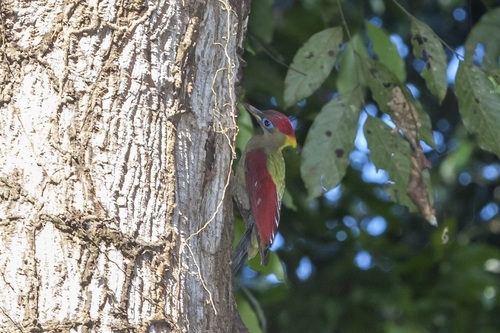 crimson-winged woodpecker
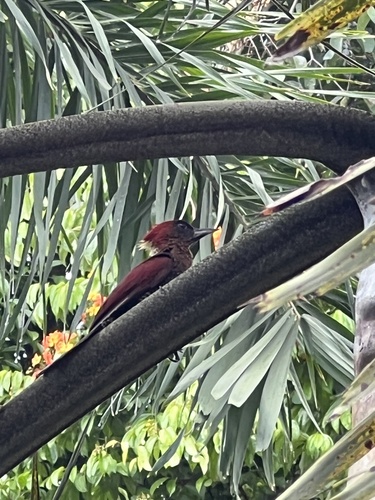 banded woodpecker
Em resumo
A maneira mais confiável de separar o crimson-winged woodpecker do banded woodpecker é pela coloração geral: o crimson-winged é muito mais brilhante, com asas vermelho-crimson vívidas e uma aparência geralmente colorida, enquanto o banded é mais discreto, apresentando partes superiores marrom-rúfio, um rabo amarelo e uma extensa barragem abaixo. Ambas as espécies se sobrepõem em alcance e habitat, então a plumagem é fundamental. Se você ver um pica-pau com asas vermelhas brilhantes e uma aparência marcante, é o crimson-winged; se o pássaro for mais em tons terrosos com uma forte barragem nas partes inferiores e um rabo amarelo, é o banded. As diferenças sexuais são sutis no banded, mas não são uma fonte importante de confusão entre esses dois.
Dicas de identificação
- Asas vermelho-crimson (todas as idades): Se você ver vermelho-crimson brilhante nas asas, é o crimson-winged woodpecker. O banded woodpecker nunca mostra essa cor; suas asas são marrom-rúfio na melhor das hipóteses.
- Brilho geral: O crimson-winged é um pássaro muito mais colorido em geral, com uma aparência vívida e marcante. O banded é em tons terrosos e discreto.
- Rabo amarelo (Banded): Procure um rabo amarelo no banded woodpecker, contrastando com suas partes superiores marrom-rúfio. O crimson-winged não possui essa característica.
- Partes inferiores fortemente barradas (Banded): O banded woodpecker apresenta uma forte barragem marrom-escura em um ventre e peito esbranquiçados. O crimson-winged não tem essa barragem extensa.
- Cor e padrão do manto: O banded tem um manto oliva sem brilho com escamas amarelas, enquanto o crimson-winged é mais uniforme e colorido.
- Cor da cauda: O banded tem uma cauda marrom-chocolate; a cauda do crimson-winged não é especificamente descrita, mas não é notada como diagnóstica.
- Cabeça e nuca: A cabeça do banded é marrom-rúfio com uma nuca amarelada desgrenhada. A cabeça do crimson-winged é mais brilhante e colorida.
- Diferenças sexuais (Banded): O macho do banded tem um rosto e garganta mais avermelhados, a fêmea é mais marrom com manchas brancas. Este não é um ponto de confusão importante com o crimson-winged, que é sempre mais brilhante em geral.
- Cor do bico, olho e pernas: Ambos têm bicos escuros, mas o olho castanho do banded com um anel orbital azulado e pernas esverdeadas podem ser visíveis de perto. Estes não são marcos de campo fortes para separação.
- Sem padrão de voo específico para a idade: Nenhuma das espécies é descrita como tendo padrões de asas ou voo juvenis ou imaturos distintos, então concentre-se na cor da plumagem e na barragem.
- Sobreposição de habitat: Ambas as espécies ocorrem nas mesmas florestas, então não confie na localização ou habitat para identificação.
- Tamanho: Ambas são semelhantes em tamanho; não use o tamanho como um marco de campo primário.
- Comportamento: Ambos forrageiam por insetos e larvas em árvores; o comportamento não é um separador confiável.
- Se em dúvida, procure a combinação de asas vermelho-crimson brilhantes e coloração geral vívida para o crimson-winged, versus rabo amarelo e forte barragem nas partes inferiores para o banded.
Tamanho
Ambas as espécies são semelhantes em tamanho, com o crimson-winged woodpecker atingindo até 25 cm de comprimento e o banded woodpecker cerca de 26 cm. O crimson-winged é ligeiramente mais leve (massa corporal 81g) [wikidata], mas em campo, a diferença de tamanho é negligenciável e não é um ponto de separação confiável.
Plumagem
O crimson-winged woodpecker se destaca por sua plumagem brilhante e colorida, especialmente as asas vermelho-crimson vívidas, que são diagnósticas em todas as idades. O restante da plumagem também é brilhante, tornando difícil a identificação errada. Em contraste, o banded woodpecker é muito mais apagado em geral: suas partes superiores são marrom-rúfio, o manto é oliva com escamas amarelas, e o rabo é amarelo. As partes inferiores são fortemente barradas com marrom-escuro em um fundo esbranquiçado, e a cauda é marrom-chocolate. A cabeça é marrom-rúfio com uma nuca amarelada desgrenhada. Ambos os sexos do banded têm um bico escuro, olho castanho e pernas esverdeadas, mas os machos são mais avermelhados no rosto e na garganta, enquanto as fêmeas são mais marrons e salpicadas de branco. Nenhum marco de asa ou padrão de voo específico para a idade é descrito para nenhuma das espécies, então concentre-se na coloração geral e na barragem.
Comportamento
Nenhuma diferença comportamental é destacada nas fontes que ajudariam a separar essas duas espécies em campo. Ambos são pica-paus típicos, forrageando por insetos e larvas em florestas de planície.
Habitat
Ambas as espécies compartilham habitats semelhantes, ocorrendo em florestas tropicais ou subtropicais úmidas de planície em Brunei, Indonésia, Malásia, Mianmar, Cingapura e Tailândia. O banded woodpecker também é encontrado em florestas de mangue, mas essa sobreposição não é suficiente para separá-los de forma confiável apenas pelo habitat.
crimson-winged woodpecker · banded woodpecker · Minhas aves difíceis