

mariquita-de-connecticut vs mariquita-de-mascarilha
Oporornis agilis versus Geothlypis trichas
Jogue um quiz com mariquita-de-connecticut e mariquita-de-mascarilha
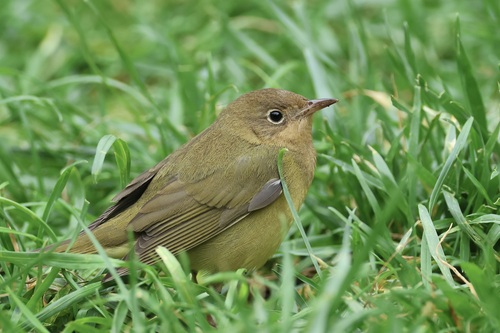 mariquita-de-connecticut
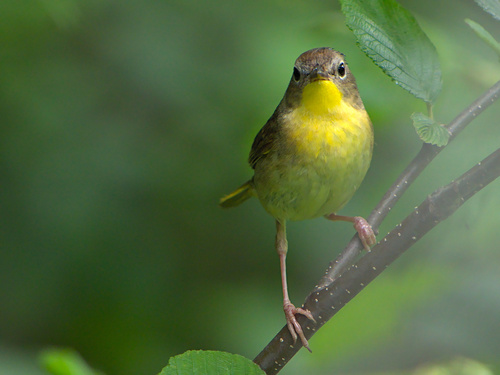 mariquita-de-mascarilha
Em resumo
A marca de campo mais confiável para separar a mariquita-de-connecticut da mariquita-de-mascarilha é a presença de um anel ocular branco ou pálido em mariquita-de-connecticut (todas as idades e sexos), em contraste com a máscara preta (macho adulto) ou rosto simples (fêmea/imatura) da mariquita-de-mascarilha, que nunca apresenta um anel ocular forte. As mariquitas-de-connecticut imaturas e fêmeas podem ser especialmente confusas, mas suas pernas mais longas, modo de andar no chão, garganta pálida e anel ocular completo são distintivos. Em voo ou empoleiradas, verifique a cauda mais longa da mariquita-de-connecticut e as pernas rosas em comparação com a cauda mais curta e mais compacta da mariquita-de-mascarilha. Ambas têm partes superiores oliva e partes inferiores amarelas, mas a mariquita-de-connecticut é maior e mais solitária, enquanto a mariquita-de-mascarilha é menor, mais ativa e frequentemente encontrada em pares ou grupos em vegetação densa e baixa.
Dicas de identificação
- Anel Ocular: A mariquita-de-connecticut de todas as idades e sexos apresenta um anel ocular branco ou pálido forte e completo; a mariquita-de-mascarilha nunca apresenta. Esta é a melhor marca de campo, especialmente em imaturos e fêmeas.
- Máscara Facial: O macho adulto da mariquita-de-mascarilha tem uma máscara preta forte no rosto, contornada acima por branco ou cinza; a mariquita-de-connecticut nunca apresenta máscara, independentemente do sexo ou idade.
- Cor da Garganta: A mariquita-de-connecticut (especialmente fêmeas e imaturos) tem uma garganta pálida, muitas vezes esbranquiçada, contrastando com as partes inferiores amarelas; a mariquita-de-mascarilha tem uma garganta e peito amarelos, fundindo-se em uma barriga branca.
- Partes Inferiores: A mariquita-de-connecticut é amarela em toda a parte inferior, enquanto a mariquita-de-mascarilha apresenta uma garganta e peito amarelos e uma barriga branca.
- Partes Superiores: Ambas são oliva acima, mas a mariquita-de-connecticut é geralmente mais simples e não possui marcas faciais, exceto o anel ocular; os machos da mariquita-de-mascarilha têm a máscara, enquanto fêmeas e imaturos têm um rosto simples.
- Cor das Pernas: A mariquita-de-connecticut tem pernas rosas, que podem ser uma marca sutil, mas útil, se vistas bem; as pernas da mariquita-de-mascarilha são menos distintivamente coloridas.
- Cauda: A mariquita-de-connecticut tem uma cauda mais longa, frequentemente mantida ligeiramente levantada e balançando para cima e para baixo; a cauda da mariquita-de-mascarilha é mais curta e mais frequentemente balançada de lado a lado.
- Formato do Bico: Ambas têm bicos finos e pontudos, mas o da mariquita-de-connecticut pode parecer ligeiramente mais longo e mais fino em campo.
- Tamanho e Estrutura: A mariquita-de-connecticut é maior, com pernas mais longas e mais ereta ao andar; a mariquita-de-mascarilha é menor, mais arredondada e mais compacta.
- Comportamento: A mariquita-de-connecticut anda no chão de maneira lenta e deliberada, frequentemente sozinha; a mariquita-de-mascarilha é mais ativa, saltando através da vegetação baixa e frequentemente em pares ou grupos.
- Habitat: A mariquita-de-connecticut prefere o sub-bosque de florestas e bordas de florestas, frequentemente longe da água; a mariquita-de-mascarilha está fortemente associada a pântanos, prados úmidos e vegetação densa perto da água.
- Vocalização: Se você ouvir um chamado alto 'twichety twichety twichety twich' ou 'jip', é a mariquita-de-mascarilha; a voz da mariquita-de-connecticut não é descrita aqui.
- Armadilhas Sazonais: No outono, o macho imaturo da mariquita-de-mascarilha pode apresentar uma máscara fraca, mas ainda assim carece de um anel ocular; fêmeas/imaturos da mariquita-de-connecticut podem parecer ter o rosto simples, mas sempre mostram o anel ocular.
- Tamanho do Grupo: A mariquita-de-connecticut é geralmente solitária, exceto em pequenos grupos pré-migração; a mariquita-de-mascarilha é frequentemente vista em pares ou bandos soltos.
- Jizz em Voo: A mariquita-de-connecticut pode parecer ter cauda mais longa e mais direta em voo, enquanto a mariquita-de-mascarilha é mais saltitante e errática, mas isso é sutil e menos confiável do que a plumagem e o padrão facial.
Tamanho
A mariquita-de-connecticut é visivelmente maior: os adultos medem de 13 a 15 cm de comprimento, com uma envergadura de 22 a 23 cm e uma média de 15 g de massa, às vezes chegando a até 25 g antes da migração [wikipedia][avonet]. A mariquita-de-mascarilha é menor em geral, com uma construção mais compacta e cauda mais curta (medidas exatas não fornecidas, mas consistentemente descrita como menor e mais leve em guias de campo e dicas da comunidade). Em campo, a mariquita-de-connecticut frequentemente parece mais esguia e com pernas mais longas, enquanto a mariquita-de-mascarilha é mais petite e arredondada.
Plumagem
As mariquitas-de-connecticut juvenis e imaturas mostram um forte e completo anel ocular pálido e uma garganta pálida (muitas vezes esbranquiçada), com partes superiores oliva e partes inferiores amarelas; os machos têm um capuz cinza, mas fêmeas e imaturos são mais marrons acima e carecem do capuz completo. Em todas as idades, o anel ocular é uma característica chave. Os machos da mariquita-de-mascarilha (adultos) têm uma máscara facial preta contornada acima por branco ou cinza, que é única e nunca mostrada pela mariquita-de-connecticut; fêmeas e imaturos carecem da máscara, mas nunca mostram um anel ocular forte, tendo em vez disso um rosto simples com partes inferiores mais claras e uma garganta/peito amarelos. Machos da mariquita-de-mascarilha de primeiro ano podem mostrar uma máscara fraca, mas ainda carecem de qualquer anel ocular. Ambas as espécies têm partes superiores oliva e partes inferiores amarelas, mas a mariquita-de-mascarilha tem uma barriga branca, enquanto as partes inferiores da mariquita-de-connecticut são mais uniformemente amarelas. Nenhuma marca distintiva de padrão de asa superior ou de voo é descrita para qualquer uma das espécies em qualquer idade; a separação é baseada no padrão facial, cor da garganta e jizz geral.
Comportamento
A mariquita-de-connecticut é tipicamente solitária e anda no chão com um andar distinto e deliberado, frequentemente balançando sua cauda para cima e para baixo (semelhante a um wren ou um maçarico). Ela forrageia baixo ou no chão, raramente se juntando a bandos mistos, exceto ocasionalmente no outono. A mariquita-de-mascarilha é muito mais ativa e social, frequentemente encontrada em pares ou pequenos grupos, e frequentemente salta através da vegetação densa e baixa, raramente andando no chão. Seus movimentos são rápidos, com frequentes movimentos de cauda e voos curtos entre os poleiros.
Habitat
A mariquita-de-connecticut é geralmente encontrada em sub-bosques densos e úmidos, especialmente durante a migração, e é mais provável de ser vista andando no chão em áreas abertas do solo da floresta ou bordas de florestas. A mariquita-de-mascarilha prefere pântanos, prados úmidos e habitats densos e arbustivos, frequentemente perto da água, e é muito mais provável de ser encontrada em áreas abertas, infestadas de ervas ou arbustos do que em florestas densas. Se você assustar uma mariquita de caniços densos ou juncos, é muito mais provável que seja a mariquita-de-mascarilha.
Voz
A mariquita-de-mascarilha tem uma canção distinta e alta de 'twichety twichety twichety twich' e um chamado suave de 'jip'. A voz da mariquita-de-connecticut não é descrita nas notas fornecidas, então a vocalização é apenas diagnóstica para a mariquita-de-mascarilha. Se você ouvir a canção ou chamado característico, é um forte indicador para a mariquita-de-mascarilha.
mariquita-de-connecticut · mariquita-de-mascarilha · Minhas aves difíceis