

estorninho vs tordo-pinto
Sturnus vulgaris versus Turdus philomelos
Jogue um quiz com estorninho e tordo-pinto
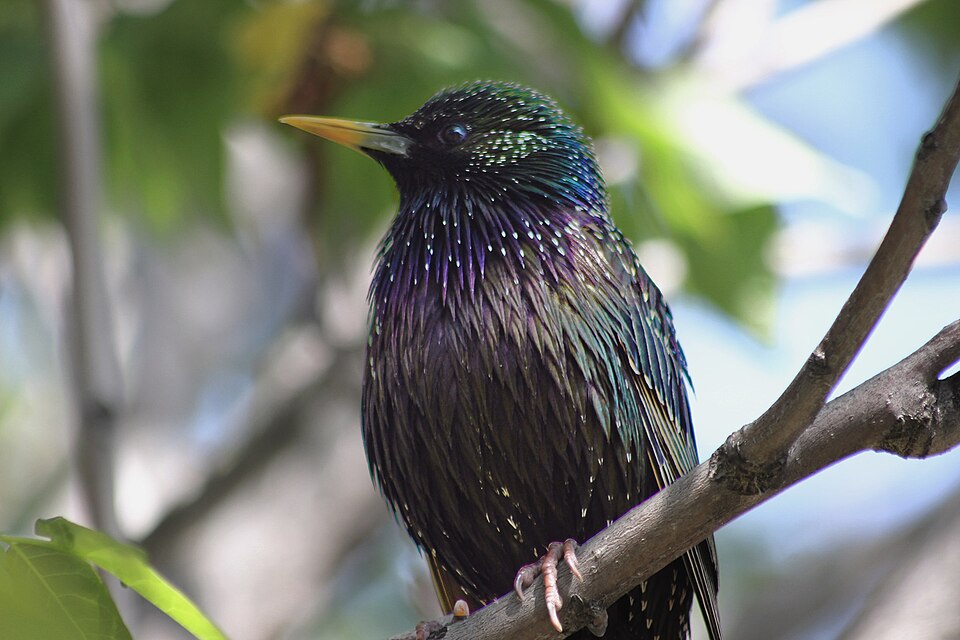 estorninho
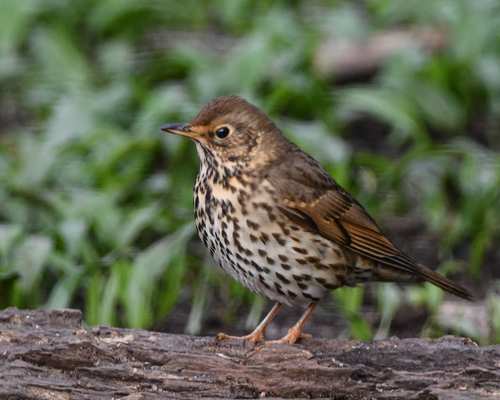 tordo-pinto
Em resumo
A marca de campo mais confiável para separar o estorninho do tordo-pinto é a plumagem geral: os estorninhos são pretos iridescentes com um brilho metálico e manchas brancas sazonais, enquanto os tordos-pintos são marrons quentes por cima e fortemente manchados por baixo. Estorninhos imaturos são cinza-marrons e podem ser confundidos com tordos, mas mesmo assim, a cauda curta do estorninho, as asas pontudas e o bico em forma de lâmina se destacam, especialmente em voo. Tordos-pintos mostram uma parte inferior amarela quente em voo, nunca presente nos estorninhos. Ambas as espécies são semelhantes em comprimento, mas os estorninhos parecem mais compactos e robustos, com um andar trôpego, enquanto os tordos são mais eretos e esguios. Use a cor do bico, a cor das pernas e o estilo de voo como verificações adicionais, especialmente em bandos mistos ou em luz fraca.
Dicas de identificação
- Manchas nas partes inferiores: Tordos-pintos de todas as idades têm manchas escuras e ousadas em um peito e flancos creme ou bege; os estorninhos nunca mostram esse padrão. Mesmo em estorninhos juvenis, as partes inferiores são simples.
- Cor geral: Estorninhos adultos são pretos iridescentes com um brilho metálico e manchas brancas no inverno; os tordos-pintos são sempre marrons por cima e claros por baixo.
- Forma e cor do bico: Estorninhos têm um bico longo, estreito e pontudo (preto no inverno, amarelo no verão); os tordos têm um bico mais robusto e amarelado durante todo o ano.
- Cor das pernas: Ambas as espécies têm pernas rosadas, mas as dos estorninhos são mais robustas e podem parecer mais avermelhadas, especialmente na época de reprodução.
- Forma da cauda: Estorninhos têm uma cauda curta e quadrada; os tordos-pintos têm uma cauda mais longa e arredondada.
- Forma da asa em voo: Estorninhos têm asas triangulares e fortemente pontudas; as asas dos tordos-pintos são mais largas e arredondadas.
- Cor da parte inferior da asa em voo: Tordos-pintos mostram uma parte inferior amarela quente, nunca presente nos estorninhos (cujas asas são uniformemente escuras).
- Confusão juvenil: Estorninhos jovens são cinza-marrons simples e podem parecer superficialmente com tordos, mas não têm manchas abaixo e têm uma aparência mais uniforme.
- Estrutura do bando: Estorninhos estão frequentemente em bandos apertados e sincronizados, especialmente em voo; os tordos geralmente são solitários ou em grupos soltos.
- Movimento no solo: Estorninhos andam ou correm com um andar trôpego; os tordos pulam e são mais eretos.
- Canto: Tordos-pintos cantam frases musicais altas e repetidas; os estorninhos têm um canto mais caótico e mimético.
- Cor do íris (vistas próximas): Estorninhos machos adultos têm íris marrons ricas; as fêmeas têm íris marrons ou cinzas. Não é útil para os tordos.
- Cor sazonal do bico: Os bicos dos estorninhos ficam amarelos no verão (com uma base azul-cinza nos machos, rosa nas fêmeas); os bicos dos tordos não mudam sazonalmente.
- Contexto do habitat: Bandos grandes e densos em campos abertos são mais propensos a serem estorninhos; aves solitárias ou em pares em áreas arbustivas ou florestadas são mais propensas a serem tordos.
- Estilo de voo: Estorninhos voam rápido e direto com batidas de asas rápidas e planagens curtas; os tordos têm um voo mais saltitante e menos direto.
Tamanho
Ambas as espécies são semelhantes em comprimento (cerca de 20–23 cm), mas o tordo-pinto é ligeiramente mais pesado em média (72 g contra um variável 58–101 g para estorninhos). No campo, os estorninhos parecem mais compactos e com barriga arredondada, com uma cauda mais curta e uma construção mais robusta e poderosa. Os tordos-pintos são mais eretos, com corpo mais longo e têm uma cauda proporcionalmente mais longa. Estorninhos têm um bico mais afiado e cônico, enquanto o bico do tordo é mais robusto e mais típico de um verdadeiro tordo. Essas diferenças são sutis à distância, mas se tornam claras com boas vistas.
Plumagem
- Aves juvenis e imaturas: Estorninhos comuns juvenis são cinza-marrons em geral, sem a iridescência e manchas do adulto, e podem ser confundidos com tordos-pintos à primeira vista. No entanto, mesmo os estorninhos jovens têm uma aparência uniforme e simples, sem as manchas escuras e ousadas nas partes inferiores que são diagnósticas para todas as idades de tordo-pinto. Tordos-pintos juvenis se assemelham aos adultos, mas mostram listras bege ou laranja nas costas e coberturas das asas, e sempre têm partes inferiores manchadas.
- Adultos: Estorninhos adultos são pretos brilhantes com um brilho metálico roxo ou verde e são salpicados de branco no inverno (a partir das pontas de penas claras), tornando-se menos manchados à medida que as pontas se desgastam na primavera. Tordos-pintos são sempre marrons por cima e creme ou bege por baixo, com manchas pretas ordenadas no peito e flancos. Estorninhos nunca mostram a parte inferior amarela quente do tordo em voo; suas asas são uniformemente escuras e fortemente pontudas. O bico do estorninho muda de preto no inverno para amarelo no verão, enquanto o bico do tordo é sempre amarelado. As pernas dos estorninhos são rosadas ou cinza-avermelhadas, enquanto as dos tordos são rosas.
Comportamento
Estorninhos comuns se movem com uma caminhada ou corrida trôpega no solo, raramente pulando, e frequentemente se alimentam em bandos apertados e coordenados. Seu voo é rápido, direto e marcado por batidas de asas rápidas com planagens curtas; os bandos giram e se viram em sincronia apertada. Tordos-pintos são mais solitários ou em grupos soltos, se movem com uma postura mais ereta e pulam em vez de andar. Seu voo é menos direto, mais saltitante, e eles frequentemente pousam eretos em galhos expostos ou telhados para cantar.
Habitat
Ambas as espécies podem ser encontradas em uma ampla gama de habitats abertos ou semi-abertos, incluindo parques, jardins e terras agrícolas. Estorninhos são mais propensos a serem vistos em grandes bandos densos, especialmente no inverno, e são frequentemente associados a áreas urbanas e campos abertos. Tordos-pintos são mais frequentemente encontrados sozinhos ou em pares, preferindo áreas com mais cobertura, como cercas vivas, bordas de florestas e jardins densos. Durante a migração ou no inverno, ambos podem se sobrepor em habitats mais abertos.
Voz
Tordos-pintos são famosos por seu canto alto e musical composto por frases repetidas, frequentemente entregues de um poleiro alto. Seus chamados incluem um agudo 'tsip' e um estridente alarme 'chook-chook'. Estorninhos são altamente vocais e imitam uma ampla gama de sons, mas seu canto é uma confusão de apitos, cliques e estalos, sem as frases musicais repetidas do tordo. Em voo, os estorninhos emitem um chamado áspero e seco, enquanto os chamados de voo dos tordos são mais finos e agudos.