
Storno vs Tordo bottaccio
Sturnus vulgaris contro Turdus philomelos
Fai un quiz con Storno e Tordo bottaccio
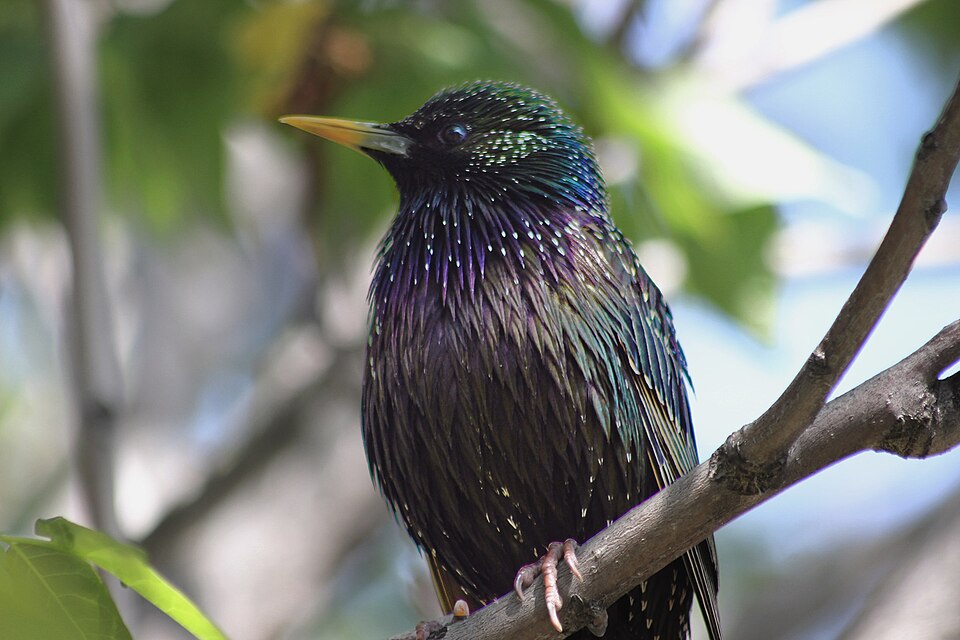 Storno
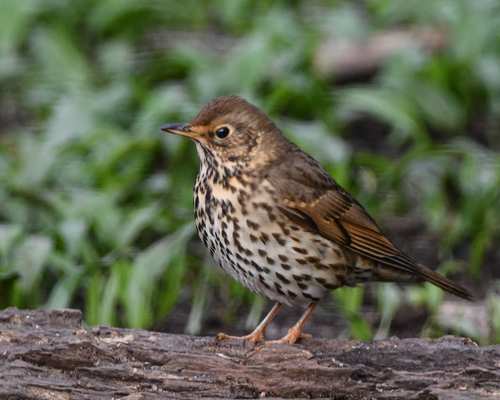 Tordo bottaccio
In breve
Il segno di campo più affidabile per separare lo Storno dal Tordo bottaccio è il piumaggio complessivo: gli storni sono neri iridescenti con una lucentezza metallica e macchie bianche stagionali, mentre i tordi bottacci sono marroni caldi sopra e pesantemente macchiati sotto. Gli storni immaturi sono grigio-marroni e possono essere confusi con i tordi, ma anche in quel caso, la coda corta dello storno, le ali appuntite e il becco a forma di lama si distinguono, specialmente in volo. I tordi bottacci mostrano un sottocoda giallo caldo in volo, mai presente negli storni. Entrambe le specie sono simili in lunghezza, ma gli storni appaiono più compatti e tozzi, con una camminata ondeggiante, mentre i tordi sono più eretti e snelli. Usa il colore del becco, il colore delle gambe e lo stile di volo come controlli aggiuntivi, specialmente in stormi misti o in condizioni di scarsa illuminazione.
Consigli di identificazione
- Macchie sotto: I Tordi bottacci di tutte le età hanno macchie scure e audaci su un petto e fianchi color crema o buff; gli storni non mostrano mai questo schema. Anche negli storni giovanili, le parti inferiori sono semplici.
- Colore complessivo: Gli storni adulti sono neri iridescenti con una lucentezza metallica e macchie bianche in inverno; i tordi bottacci sono sempre marroni sopra e chiari sotto.
- Forma e colore del becco: Gli storni hanno un becco lungo, stretto e appuntito (nero in inverno, giallo in estate); i tordi hanno un becco più robusto e giallastro tutto l'anno.
- Colore delle gambe: Entrambe le specie hanno gambe rosate, ma quelle degli storni sono più robuste e possono apparire più rossastre, specialmente in stagione di nidificazione.
- Forma della coda: Gli storni hanno una coda corta e quadrata; i tordi bottacci hanno una coda più lunga e arrotondata.
- Forma delle ali in volo: Gli storni hanno ali fortemente appuntite e triangolari; le ali dei tordi bottacci sono più larghe e arrotondate.
- Colore del sottocoda in volo: I Tordi bottacci mostrano un sottocoda giallo caldo, mai presente negli storni (le cui ali sono uniformemente scure).
- Confusione giovanile: I giovani storni sono grigio-marroni semplici e possono sembrare superficialmente simili ai tordi, ma mancano di qualsiasi macchia sotto e hanno un aspetto più uniforme.
- Struttura del gruppo: Gli storni sono spesso in stormi stretti e sincronizzati, specialmente in volo; i tordi sono di solito solitari o in gruppi sciolti.
- Movimento a terra: Gli storni camminano o corrono con una camminata ondeggiante; i tordi saltano e sono più eretti.
- Canto: I Tordi bottacci cantano frasi musicali forti e ripetute; gli storni hanno un canto più caotico e mimetico.
- Colore dell'iride (viste ravvicinate): Gli storni maschi adulti hanno iridi di un marrone ricco; quelle delle femmine sono marrone topo o grigie. Non utile per i tordi.
- Colore stagionale del becco: I becchi degli storni diventano gialli in estate (con una base blu-grigia nei maschi, rosa nelle femmine); i becchi dei tordi non cambiano stagionalmente.
- Contesto dell'habitat: Grandi stormi densi in campi aperti sono più probabilmente storni; uccelli singoli o coppie in aree cespugliose o boschive sono più probabilmente tordi.
- Stile di volo: Gli storni volano veloci e diretti con rapidi battiti d'ali e brevi planate; i tordi hanno un volo più rimbalzante e meno diretto.
Taglia
Entrambe le specie sono simili in lunghezza (circa 20–23 cm), ma il Tordo bottaccio è leggermente più pesante in media (72 g contro un variabile 58–101 g per gli storni). Sul campo, gli storni appaiono più compatti e con la pancia rotonda, con una coda più corta e una corporatura più robusta e potente. I tordi bottacci sono più eretti, con un corpo più lungo e hanno una coda proporzionalmente più lunga. Gli storni hanno un becco più affilato e conico, mentre il becco del tordo è più robusto e più tipico di un vero tordo. Queste differenze sono sottili a distanza ma diventano chiare con buone viste.
Piumaggio
- Uccelli giovanili e immaturi: Gli Storni comuni giovanili sono grigio-marroni nel complesso, privi dell'iridescenza e delle macchie degli adulti, e possono essere confusi con i Tordi bottacci a colpo d'occhio. Tuttavia, anche i giovani storni hanno un aspetto uniforme e semplice senza le audaci macchie scure sulle parti inferiori che sono diagnostiche per tutte le età del Tordo bottaccio. I Tordi bottacci giovanili assomigliano agli adulti ma mostrano strisce color crema o arancioni sulla schiena e sulle copritrici delle ali, e hanno sempre parti inferiori macchiate.
- Adulti: Gli storni adulti sono neri lucidi con una lucentezza metallica viola o verde e sono punteggiati di bianco in inverno (dai punti delle piume chiare), diventando meno macchiati man mano che le punte si consumano in primavera. I tordi bottacci sono sempre marroni sopra e crema o buff sotto, con macchie nere ordinate sul petto e sui fianchi. Gli storni non mostrano mai il sottocoda giallo caldo del tordo in volo; le loro ali sono uniformemente scure e fortemente appuntite. Il becco dello storno cambia da nero in inverno a giallo in estate, mentre il becco del tordo è sempre giallastro. Le gambe degli storni sono rosate o grigio-rosse, mentre quelle dei tordi sono rosa.
Comportamento
Gli Storni comuni si muovono con una camminata ondeggiante o corrono a terra, raramente saltano, e spesso si nutrono in stormi stretti e coordinati. Il loro volo è veloce, diretto e caratterizzato da rapidi battiti d'ali con brevi planate; gli stormi girano e si muovono in stretta sincronia. I Tordi bottacci sono più solitari o in gruppi sciolti, si muovono con una postura più eretta e saltano piuttosto che camminare. Il loro volo è meno diretto, più rimbalzante, e spesso si posano eretti su rami esposti o tetti per cantare.
Habitat
Entrambe le specie possono essere trovate in una vasta gamma di habitat aperti o semi-aperti, inclusi parchi, giardini e terreni agricoli. Gli storni sono più probabilmente visti in grandi stormi densi, specialmente in inverno, e sono spesso associati a aree urbane e campi aperti. I Tordi bottacci si trovano più spesso singolarmente o in coppie, preferendo aree con più copertura come siepi, margini boschivi e giardini densi. In migrazione o in inverno, entrambe le specie possono sovrapporsi in habitat più aperti.
Voce
I Tordi bottacci sono famosi per il loro canto forte e musicale composto da frasi ripetute, spesso eseguito da un alto posatoio. I loro richiami includono un netto 'tsip' e un allerta stridente 'chook-chook'. Gli storni sono altamente vocali e imitano una vasta gamma di suoni, ma il loro canto è un miscuglio di fischi, clic e rattling, privo delle frasi musicali ripetute del tordo. In volo, gli storni emettono un richiamo aspro e secco, mentre i richiami di volo dei tordi sono più sottili e più acuti.