

rouxinol vs rabirruivo-de-testa-branca
Luscinia megarhynchos versus Phoenicurus phoenicurus
Jogue um quiz com rouxinol e rabirruivo-de-testa-branca
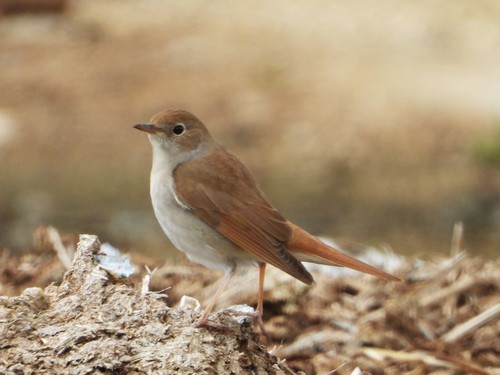 rouxinol
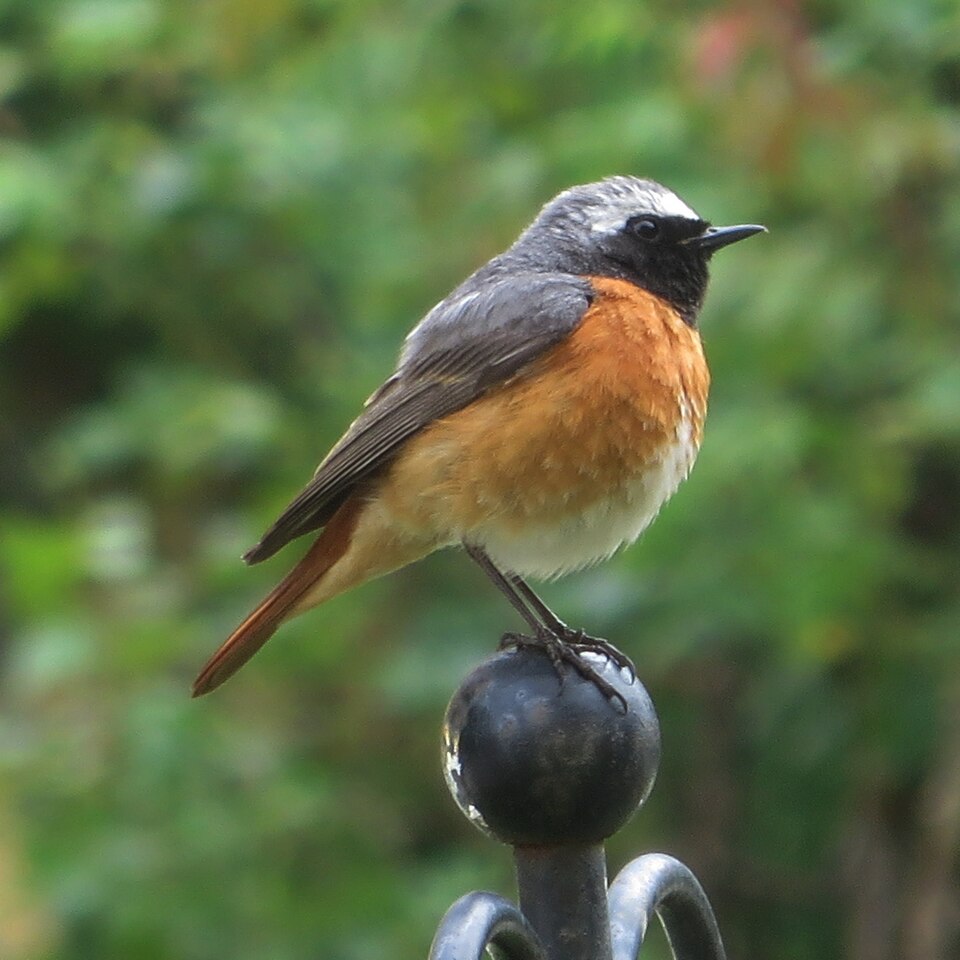 rabirruivo-de-testa-branca
Em resumo
A marca de campo mais confiável para separar o rouxinol do rabirruivo-de-testa-branca é a presença de uma mancha de asa pálida e ousada nos machos (e em algumas fêmeas) de rabirruivo, especialmente visível em voo ou quando empoleirados com as asas fechadas; os rouxinóis nunca mostram isso. Se você ver um pássaro marrom simples com uma cauda ruiva e sem painel de asa, você provavelmente tem um rouxinol. Os rabirruivos, especialmente os machos adultos, são muito mais coloridos no geral, com uma cauda laranja-avermelhada impressionante, partes superiores cinza-ardósia contrastantes e rosto preto. Fêmeas e imaturos de ambas as espécies podem ser confusos, mas a cauda do rabirruivo é mais brilhante e frequentemente agitada, e até mesmo rabirruivos sem cor muitas vezes mostram uma dica do painel de asa pálido. Os rouxinóis são marrons simples por cima e bege por baixo, sem contrastes fortes ou marcas nas asas.
Dicas de identificação
- Procure por uma mancha de asa pálida: Os machos adultos de rabirruivo-de-testa-branca (especialmente a subespécie do sudeste) mostram uma mancha de asa pálida a esbranquiçada proeminente, visível em voo e muitas vezes quando empoleirados. Alguns machos imaturos e até algumas fêmeas mostram uma versão fraca. Os rouxinóis nunca mostram uma mancha de asa em nenhuma idade.
- Cor e comportamento da cauda: Ambas as espécies têm caudas avermelhadas, mas a do rabirruivo é mais brilhante, laranja-avermelhada e frequentemente agitada para cima e para baixo. As caudas dos rouxinóis são ruivas, mas não tão vívidas, e a agitação da cauda é rara.
- Coloração geral: Os machos de rabirruivo são strikingly coloridos com uma cabeça cinza-ardósia, testa branca, rosto/garganta preta e flancos laranja. Os rouxinóis são marrons simples por cima e bege a branco por baixo, sem contrastes fortes.
- Padrão facial: Os machos de rabirruivo têm uma testa branca e rosto preto. Os rouxinóis têm um rosto simples, embora algumas subespécies orientais mostrem um supercílio pálido fraco.
- Confusão entre fêmeas/imaturos: As fêmeas de rabirruivo são cinza-marrons por cima, muitas vezes com uma dica de uma mancha de asa pálida e às vezes um babador de garganta escuro. As fêmeas de rouxinol são mais simples, sem mancha de asa ou babador.
- Cor da parte inferior: Os rabirruivos mostram laranja nos flancos e uma barriga mais clara; os rouxinóis são bege a branco por baixo, com pouco contraste.
- Bico e estrutura: Ambas as espécies têm bicos finos semelhantes, mas os rabirruivos são mais esguios e mais eretos na postura, enquanto os rouxinóis são mais robustos e mais horizontais.
- Contexto de habitat: Os rouxinóis estão quase sempre em vegetação densa e emaranhada; os rabirruivos são mais propensos a estar em florestas abertas, parques ou jardins.
- Canção: A canção do rouxinol é alta, rica e complexa, muitas vezes à noite e de um esconderijo. A canção do rabirruivo é mais suave, mais curta e mais melancólica, geralmente de um poleiro visível.
- Notas de chamada: As chamadas do rabirruivo são notas ascendentes 'huid' ou monosilábicas 'heed', às vezes com alarmes de tique-taque. As chamadas dos rouxinóis são menos distintas e raramente ouvidas em comparação com sua canção.
- Aparência sazonal: No outono, os machos de rabirruivo podem parecer mais apagados, mas mantêm a cauda laranja e (em alguns) a mancha de asa pálida. Os rouxinóis permanecem simples.
- Jizz: Os rabirruivos frequentemente empoleiram-se eretos e atacam insetos; os rouxinóis se escondem baixos em coberturas densas.
- Visões de voo: Em voo, os rabirruivos podem exibir o painel de asa pálido (se presente) e a cauda brilhante; os rouxinóis mostram asas marrons simples e uma cauda ruiva.
- Sobreposição de distribuição: Ambas as espécies podem ocorrer juntas em partes da Europa, mas o rouxinol é mais ao sul e ligado a matagal denso, enquanto o rabirruivo é amplamente distribuído em florestas abertas.
- Armadilhas: Rabirruivos imaturos que não têm uma mancha de asa clara podem ser confundidos com rouxinóis, mas procure pela cauda mais brilhante, postura ereta e habitat. Os rouxinóis nunca mostram uma mancha de asa pálida ou padrão facial forte.
Tamanho
Ambas as espécies são semelhantes em comprimento, mas o rouxinol é ligeiramente maior (15–16,5 cm) do que o rabirruivo-de-testa-branca (13–14,5 cm) [wikipedia]. O rouxinol também é um pouco mais pesado e robusto, enquanto o rabirruivo é mais esguio e leve [wikipedia][avonet]. No campo, essa diferença é sutil e raramente diagnóstica, a menos que ambos sejam vistos lado a lado.
Plumagem
- Pássaros juvenis/imaturos: A marca mais diagnóstica é a mancha de asa pálida a esbranquiçada no rabirruivo-de-testa-branca, presente em machos adultos, alguns machos imaturos e ocasionalmente fêmeas (especialmente na subespécie do sudeste). Os rouxinóis de todas as idades não têm nenhum painel de asa pálido e são marrons simples por cima com uma cauda avermelhada.
- Machos adultos (reprodução): Os machos de rabirruivo são inconfundíveis com uma cabeça e partes superiores cinza-ardósia, testa branca, rosto e garganta pretos, cauda e flancos laranja-castanho, e uma barriga pálida. A mancha de asa pálida é proeminente na subespécie do sudeste e visível em alguns machos nominados. Os rouxinóis são marrons simples por cima, com uma cauda ruiva e partes inferiores de bege a branco, sem contrastes faciais ou de asas fortes.
- Fêmeas e pássaros não reprodutores: As fêmeas de rabirruivo são cinza-marrons por cima, bege-branco ou laranja claro por baixo, às vezes com uma mancha de asa fraca e ocasionalmente um babador de garganta escuro. As fêmeas de rouxinol são mais simples, uniformemente marrons por cima e bege por baixo, sem mancha de asa ou babador. Ambos os sexos de rouxinol são semelhantes. No outono, os machos de rabirruivo podem parecer mais apagados devido às franjas de penas pálidas, mas a cauda permanece brilhante.
Comportamento
Os rabirruivos frequentemente se alimentam fazendo curtas investidas de um poleiro para pegar insetos, frequentemente agitando suas caudas laranja-avermelhadas, um comportamento muito menos comum nos rouxinóis. Os rouxinóis são mais terrestres, movendo-se através de vegetação densa, e são menos propensos a serem vistos caçando insetos em campo aberto. Ambas as espécies podem ser secretivas, mas os rabirruivos são mais propensos a empoleirar-se em locais abertos, especialmente os machos durante a temporada de reprodução.
Habitat
Os rouxinóis preferem matagal denso, arbustos e florestas baixas, muitas vezes perto da água, e raramente são vistos em espaços abertos. No Reino Unido, eles são mais frequentemente encontrados em habitats de matagal e arbustos de baixa altitude. Os rabirruivos são mais versáteis, reproduzindo-se em florestas abertas, bordas, parques e jardins, muitas vezes usando caixas-ninho ou buracos em árvores. Se você ver um pássaro em vegetação densa e emaranhada, é mais provável que seja um rouxinol; em florestas abertas ou parques, é mais provável que seja um rabirruivo.
Voz
O rouxinol é famoso por sua canção rica, poderosa e variada, frequentemente entregue de um esconderijo profundo e à noite. A canção do rabirruivo é mais suave, mais curta e mais melancólica, com uma estrutura distintiva em três partes. As chamadas do rabirruivo são notas ascendentes 'huid' ou monosilábicas 'heed', às vezes combinadas com alarmes de tique-taque, enquanto as chamadas dos rouxinóis são menos distintas no campo. Se você ouvir uma canção notável, que se espalha longe, complexa, de um esconderijo profundo, suspeite do rouxinol; se a canção for mais suave e o pássaro for visível, suspeite do rabirruivo.
rouxinol · rabirruivo-de-testa-branca · Minhas aves difíceis