

estrelinha-real vs trepadeira-azul
Regulus ignicapilla versus Sitta europaea
Jogue um quiz com estrelinha-real e trepadeira-azul
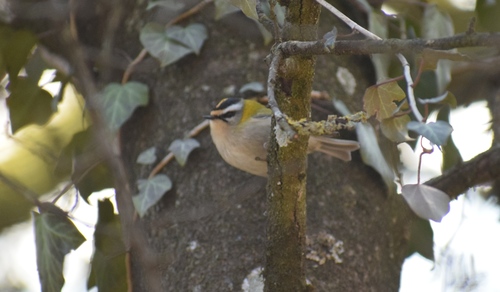 estrelinha-real
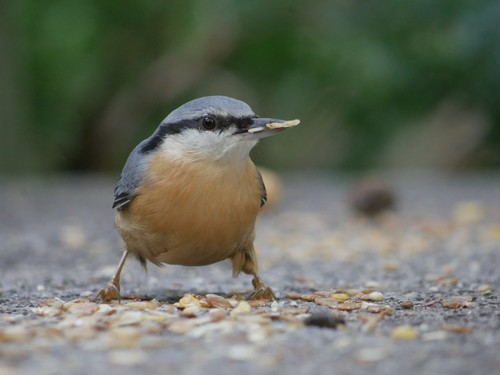 trepadeira-azul
Em resumo
A maneira mais confiável de separar a estrelinha-real da trepadeira-azul em campo é pela estrutura geral e padrão da cabeça: a estrelinha-real é um pássaro minúsculo, rechonchudo, de cor verde-oliva, com um rosto ousado e uma crista, enquanto a trepadeira-azul é muito maior, azul-cinza por cima, com um bico longo e pontudo e uma forte faixa ocular preta. As estrelinhas-reais juvenis podem não ter a cor completa da coroa, mas ainda mostram um padrão facial distinto, ao contrário de qualquer trepadeira. Em voo ou empoleirada, o bico longo da trepadeira, a cauda curta e o comportamento de escalar árvores são instantaneamente diferentes da postura horizontal, pequena e ativa da estrelinha-real. Se você não tiver certeza, verifique as duas barras brancas nas asas da estrelinha-real e o supercílio em comparação com as partes superiores azul-cinza e sem marcas da trepadeira.
Dicas de identificação
- Tamanho: A trepadeira-azul pesa mais de duas vezes o peso da estrelinha-real e é muito mais robusta; se o pássaro parecer do tamanho de um galo-da-índia ou estrelinha-de-poupa, não é uma trepadeira.
- Formato do bico: A estrelinha-real tem um bico minúsculo, fino e pontudo; a trepadeira-azul tem um bico longo e forte, semelhante a uma adaga, óbvio até à distância.
- Padrão da cabeça (todas as idades): A estrelinha-real sempre mostra uma forte faixa ocular preta, um longo supercílio branco e (em adultos) uma crista colorida; mesmo os juvenis têm um meio-círculo pálido abaixo do olho e um rosto mais apagado, mas ainda com padrão. A trepadeira-azul tem uma faixa ocular preta, mas não possui o supercílio branco e a faixa da coroa, e nunca mostra uma crista.
- Crista: Apenas a estrelinha-real tem uma crista colorida (laranja nos machos, amarela nas fêmeas); a trepadeira nunca mostra qualquer crista.
- Barras nas asas: A estrelinha-real tem duas barras brancas claras em cada asa; a trepadeira-azul tem asas azul-cinza simples, sem barras ou painéis claros.
- Cor das partes superiores: A estrelinha-real é de um verde-oliva brilhante com uma mancha bronze no ombro; a trepadeira-azul é azul-cinza por cima, sem tons de oliva.
- Partes inferiores: A estrelinha-real é esbranquiçada por baixo com um tom cinza-marrom nas flancos; a trepadeira-azul tem garganta e bochechas brancas, mas flancos e barriga laranja-avermelhados ricos, frequentemente manchados de branco sob a cauda.
- Cor das pernas: A estrelinha-real tem pernas marrom-escuras; as pernas da trepadeira-azul são marrom-claro ou acinzentadas.
- Cauda: A estrelinha-real tem uma cauda curta e quadrada, mas a cauda da trepadeira-azul é ainda mais curta e quadrada, e nunca é usada para apoio (ao contrário das escavadeiras ou pica-paus).
- Postura e movimento: A estrelinha-real é horizontal, ativa e se move rapidamente pela folhagem; a trepadeira-azul é frequentemente vertical ou de cabeça para baixo, escalando a casca, e raramente na copa externa.
- Estilo de voo: O voo da estrelinha-real é fraco e zumbido, com curvas rápidas; o voo da trepadeira-azul é rápido, direto e tipicamente curto, com as asas fechadas entre os batimentos.
- Uso do habitat: Se vista em um tronco de árvore ou grande galho, especialmente movendo-se de cabeça para baixo, é uma trepadeira-azul. A estrelinha-real quase nunca faz isso.
- Confusão juvenil: Mesmo as estrelinhas-reais juvenis mostram padrão facial suficiente para se separar da trepadeira; os juvenis da trepadeira-azul são mais apagados, mas ainda têm a forte faixa ocular e as partes superiores azul-cinza.
- Voz: Os chamados da trepadeira-azul são altos e repetidos; os da estrelinha-real são finos e altos, mas a voz só é útil se você conhecer bem ambas as espécies.
- Sexo/estação: Os sexos da estrelinha-real são semelhantes, exceto pela cor da crista, mas ambos os sexos mostram o mesmo padrão facial e barras nas asas; os sexos da trepadeira-azul são semelhantes, com as fêmeas ligeiramente mais pálidas, mas isso raramente é útil para separação da estrelinha-real.
Tamanho
A trepadeira-azul é dramaticamente maior e mais pesada do que a estrelinha-real. A trepadeira mede cerca de 14 cm de comprimento, com uma envergadura de 22,5–27 cm e pesa 17–28 g (média 23 g) [wikidata]. A estrelinha-real tem apenas 9 cm de comprimento, com uma envergadura de 13–16 cm e pesa apenas 4–7 g. Essa diferença de tamanho é óbvia em campo: a trepadeira é do tamanho de um estorninho, a estrelinha-real é mal maior do que uma estrelinha-de-poupa ou um galo-da-índia.
Plumagem
- Pássaros juvenis/imaturos: As estrelinhas-reais juvenis não têm a coroa colorida, mas ainda mostram uma versão apagada do padrão facial ousado (faixa ocular preta, supercílio branco, meio-círculo pálido abaixo do olho). Os juvenis da trepadeira-azul se assemelham a fêmeas adultas, mas são mais apagados, com pernas mais pálidas e menos contraste.
- Adultos: As estrelinhas-reais adultas têm partes superiores verde-oliva brilhante, uma mancha bronze no ombro, duas barras brancas nas asas e uma cabeça marcante com faixa ocular preta, longo supercílio branco e uma crista amarela/laranja (laranja nos machos, amarela nas fêmeas). As adultas da trepadeira-azul são azul-cinza por cima, com uma forte faixa ocular preta, garganta e bochechas brancas, flancos e barriga laranja-avermelhados, e sem barras ou crista. As partes inferiores da trepadeira-azul são muito mais extensivamente laranja e carecem da barriga branca limpa da estrelinha-real.
- Em voo: A estrelinha-real mostra um voo compacto e zumbido com duas barras brancas visíveis; a trepadeira-azul tem asas arredondadas, uma cabeça pontuda e uma cauda curta e quadrada, sem barras ou painéis contrastantes.
Comportamento
A estrelinha-real é hiperativa, frequentemente pulando ou voando rapidamente pela folhagem com o corpo mantido horizontalmente, raramente parando por muito tempo. Ela se alimenta em coníferas e florestas mistas, frequentemente alta na copa. A trepadeira-azul se move com pequenos saltos para cima, para baixo e ao redor de troncos e galhos de árvores, frequentemente de cabeça para baixo, e nunca usa sua cauda para apoio. Seu movimento é mais deliberado e frequentemente faz pausas para martelar a casca ou sondar fendas. Em voo, a trepadeira-azul é rápida e direta, com as asas fechadas entre os batimentos; o voo da estrelinha-real é mais fraco e mais tremido.
Habitat
A estrelinha-real prefere florestas coníferas maduras ou mistas, especialmente com folhagem densa, e geralmente é encontrada na copa. A trepadeira-azul é encontrada em uma gama mais ampla de florestas, incluindo florestas decíduas, parques e jardins, e é frequentemente vista em troncos e grandes galhos em todos os níveis. Embora ambas possam ocorrer nos mesmos habitats amplos, a trepadeira-azul é mais provável de ser vista em níveis mais baixos e em troncos, enquanto a estrelinha-real está na folhagem externa.
Voz
A trepadeira-azul é muito vocal, com um chamado alto e repetido 'dwip'. O canto e os chamados da estrelinha-real são mais agudos, finos e menos fortes, mas isso não é uma característica primária de separação em campo, a menos que você conheça bem ambas as espécies.