
Fiorrancino vs Picchio muratore
Regulus ignicapilla contro Sitta europaea
Fai un quiz con Fiorrancino e Picchio muratore
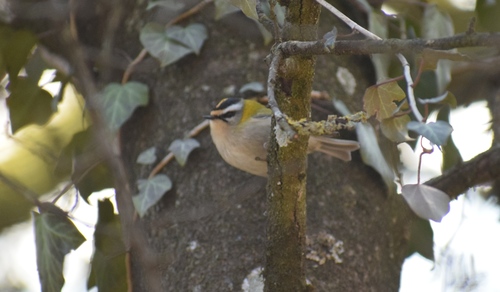 Fiorrancino
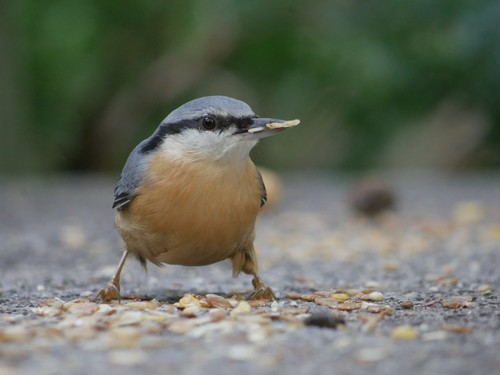 Picchio muratore
In breve
Il modo più affidabile per separare il Fiorrancino dal Picchio muratore sul campo è attraverso la struttura generale e il motivo della testa: il Fiorrancino è un uccello minuscolo, tozzo, di colore verde oliva con un volto audace e una cresta, mentre il Picchio muratore è molto più grande, blu-grigio sopra, con un lungo becco appuntito e una forte striscia nera sugli occhi. I Fiorrancini giovani possono mancare del colore completo della corona ma mostrano comunque un motivo facciale distinto, a differenza di qualsiasi picchio muratore. In volo o posato, il lungo becco del picchio muratore, la coda corta e il comportamento di arrampicata sugli alberi sono istantaneamente diversi dalla postura piccola, attiva e orizzontale del fiorrancino. Se non sei sicuro, controlla le due bande alari bianche del fiorrancino e il supercilium rispetto alle parti superiori blu-grigio, senza segni, del picchio muratore e ai fianchi arancioni.
Consigli di identificazione
- Dimensione: Il Picchio muratore pesa più di due volte il Fiorrancino ed è molto più robusto; se l'uccello sembra delle dimensioni di un scricciolo o di un regolo, non è un picchio muratore.
- Forma del becco: Il Fiorrancino ha un becco minuscolo, fine e appuntito; il picchio muratore ha un becco lungo, forte e simile a un pugnale, evidente anche da lontano.
- Motivo della testa (tutte le età): Il Fiorrancino mostra sempre una forte striscia nera sugli occhi, un lungo supercilium bianco e (negli adulti) una cresta colorata; anche i giovani hanno un mezzo cerchio pallido sotto l'occhio e un volto più opaco ma ancora con un motivo. Il Picchio muratore ha una striscia nera sugli occhi ma manca del supercilium bianco e della striscia della corona, e non mostra mai una cresta.
- Cresta: Solo il Fiorrancino ha una cresta colorata (arancione nei maschi, gialla nelle femmine); il picchio muratore non mostra mai alcuna cresta.
- Bande alari: Il Fiorrancino ha due chiare bande alari bianche su ciascun'ala; il picchio muratore ha ali blu-grigio semplici senza bande alari o pannelli chiari.
- Colore delle parti superiori: Il Fiorrancino è di un brillante verde oliva con una macchia bronzea sulla spalla; il picchio muratore è blu-grigio sopra senza toni oliva.
- Parti inferiori: Il Fiorrancino è biancastro sotto con un lavaggio grigio-marrone sui fianchi; il picchio muratore ha una gola e guance bianche ma fianchi e ventre arancio-rossi ricchi, spesso macchiati di bianco sotto la coda.
- Colore delle zampe: Il Fiorrancino ha zampe marrone-nerastre; le zampe del picchio muratore sono di un marrone chiaro o grigiastro.
- Coda: Il Fiorrancino ha una coda corta e quadrata, ma la coda del picchio muratore è ancora più corta e quadrata, e non viene mai utilizzata per il supporto (a differenza dei rampichini o dei picchi).
- Postura e movimento: Il Fiorrancino è orizzontale, attivo e si muove tra il fogliame; il picchio muratore è spesso verticale o a testa in giù, arrampicandosi sulla corteccia, e raramente si trova nel fogliame esterno.
- Stile di volo: Il volo del Fiorrancino è debole e frusciante, con rapidi cambi di direzione; il volo del picchio muratore è veloce, diretto e tipicamente breve, con le ali chiuse tra un battito e l'altro.
- Uso dell'habitat: Se visto su un tronco d'albero o un grande ramo, specialmente muovendosi a testa in giù, è un picchio muratore. Il Fiorrancino quasi mai fa questo.
- Confusione giovanile: Anche i giovani Fiorrancini mostrano un motivo facciale sufficiente per separarsi dal picchio muratore; i giovani picchi muratori sono più opachi ma hanno comunque la forte striscia sugli occhi e le parti superiori blu-grigio.
- Voce: I richiami del picchio muratore sono forti e ripetuti; quelli del fiorrancino sono sottili e alti, ma la voce è utile solo se conosci bene entrambe le specie.
- Sesso/stagione: I sessi del Fiorrancino sono simili tranne per il colore della cresta, ma entrambi i sessi mostrano lo stesso motivo facciale e le bande alari; i sessi del picchio muratore sono simili, con le femmine leggermente più chiare, ma questo è raramente utile per la separazione dal fiorrancino.
Taglia
Il Picchio muratore è drammaticamente più grande e pesante del Fiorrancino. Il picchio muratore misura circa 14 cm di lunghezza con un'apertura alare di 22,5–27 cm e pesa 17–28 g (media 23 g) [wikidata]. Il Fiorrancino è lungo solo 9 cm, con un'apertura alare di 13–16 cm e pesa solo 4–7 g. Questa differenza di dimensione è ovvia sul campo: il picchio muratore è delle dimensioni di un storno, il fiorrancino è appena più grande di un regolo o di uno scricciolo.
Piumaggio
- Uccelli giovani/immaturi: I giovani Fiorrancini mancano della corona colorata ma mostrano comunque una versione opaca del motivo facciale audace (striscia nera sugli occhi, supercilium bianco, mezzo cerchio pallido sotto l'occhio). I giovani picchi muratori somigliano alle femmine adulte ma sono più opachi, con zampe più chiare e meno contrasto.
- Adulti: Gli adulti Fiorrancini hanno parti superiori di un brillante verde oliva, una macchia bronzea sulla spalla, due bande alari bianche e una testa sorprendente con striscia nera sugli occhi, lungo supercilium bianco e una cresta gialla/arancione (arancione nei maschi, gialla nelle femmine). Gli adulti picchi muratori sono blu-grigio sopra, con una forte striscia nera sugli occhi, gola e guance bianche, fianchi e ventre arancio-rossi, e senza bande alari o cresta. Le parti inferiori del picchio muratore sono molto più estese in arancione e mancano del ventre bianco pulito del fiorrancino.
- In volo: Il Fiorrancino mostra un volo compatto e frusciante con due bande alari bianche visibili; il picchio muratore ha ali rotonde, una testa appuntita e una coda corta e quadrata, senza bande alari o pannelli a contrasto.
Comportamento
Il Fiorrancino è iperattivo, spesso saltellando o svolazzando tra il fogliame con il corpo tenuto orizzontalmente, raramente fermandosi a lungo. Si nutre in conifere e boschi misti, spesso in alto nella chioma. Il picchio muratore si muove con brevi salti su, giù e intorno ai tronchi e ai rami degli alberi, spesso a testa in giù, e non usa mai la sua coda per il supporto. Il suo movimento è più deliberato e si ferma frequentemente per battere sulla corteccia o sondare le fessure. In volo, il picchio muratore è veloce e diretto, con le ali chiuse tra un battito e l'altro; il volo del fiorrancino è più debole e più tremolante.
Habitat
Il Fiorrancino preferisce boschi maturi di conifere o misti, specialmente con fogliame denso, e si trova di solito nella chioma. Il picchio muratore si trova in una gamma più ampia di boschi, comprese le foreste decidue, parchi e giardini, ed è spesso visto su tronchi e grandi rami a tutti i livelli. Anche se entrambi possono verificarsi negli stessi ampi habitat, il picchio muratore è più probabile che si trovi a livelli più bassi e sui tronchi, mentre il fiorrancino si trova nel fogliame esterno.
Voce
Il picchio muratore è molto vocale, con un richiamo ripetuto e forte 'dwip'. Il canto e i richiami del fiorrancino sono di tono più alto, sottili e meno energici, ma questo non è un carattere di separazione primario sul campo a meno che tu non conosca bene entrambe le specie.