

papa-moscas-de-colar vs rabirruivo
Ficedula albicollis versus Phoenicurus ochruros
Jogue um quiz com papa-moscas-de-colar e rabirruivo
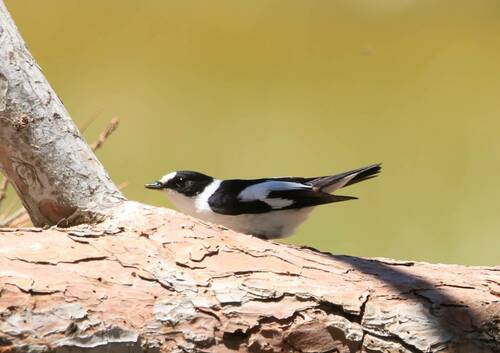 papa-moscas-de-colar
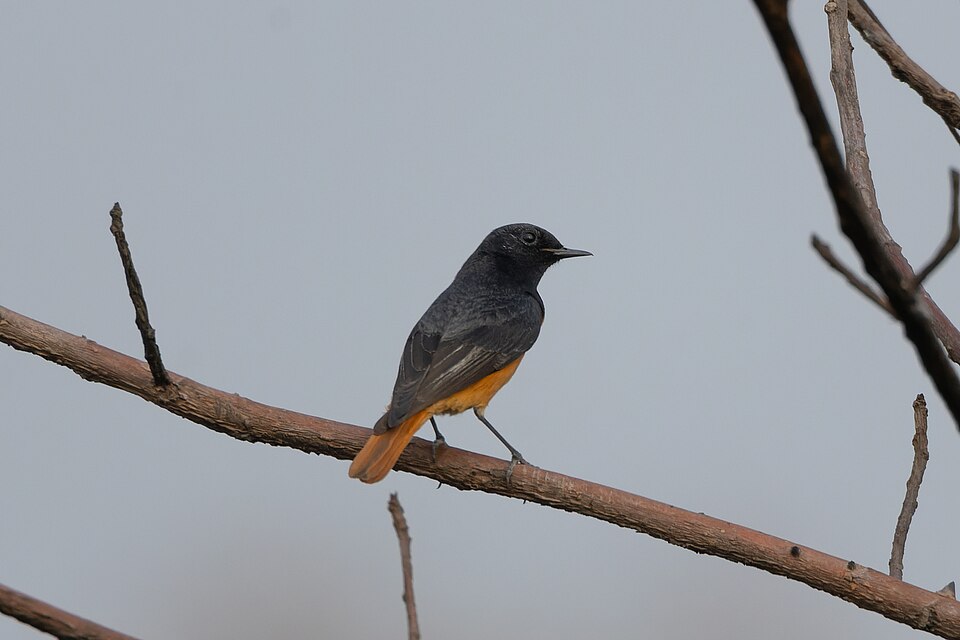 rabirruivo
Em resumo
The most reliable field mark between Collared Flycatcher and Black Redstart is overall color and pattern: Collared Flycatcher (especially adult males) shows bold black-and-white plumage with a distinct white collar and large white wing patch, while Black Redstart is generally dark grey to black with a striking orange-red tail and lacks any white collar or wing panel. Immature and female Collared Flycatchers can be very drab and are easily confused with other Ficedula flycatchers, but they never show the red tail that is diagnostic for Black Redstart of any age or sex. Structure and jizz also differ: Collared Flycatcher is a compact, short-tailed flycatcher, while Black Redstart is more slender and upright with a longer tail, often flicked or shivered. Habitat can help: Collared Flycatcher prefers mature deciduous woodland, while Black Redstart is found in rocky or urban settings.
Dicas de identificação
- Tail Color (All Ages/Sexes): Black Redstart always shows a vivid orange-red tail, visible both perched and in flight. Collared Flycatcher never shows any red in the tail.
- White Collar (Adult Male Collared Flycatcher): A crisp white collar is diagnostic for Collared Flycatcher males in breeding plumage; Black Redstart never shows a white collar.
- White Wing Patch (Collared Flycatcher): Collared Flycatcher (especially adult males) shows a large white wing patch; Black Redstart lacks this, though some eastern Black Redstarts may show a small pale patch, but never as bold or extensive.
- White Forehead Spot (Collared Flycatcher): Adult male Collared Flycatcher has a prominent white spot on the forehead, absent in Black Redstart.
- Overall Color (Adult Males): Collared Flycatcher is sharply black-and-white; Black Redstart is sooty black or dark grey with red tail, never truly black-and-white.
- Female/Juvenile Pitfall: Female and juvenile Collared Flycatchers are pale brownish-grey and can resemble female/juvenile Black Redstart, but lack any rufous in the tail and never show the red tail base.
- Tail Movement: Black Redstart habitually flicks and shivers its tail; Collared Flycatcher does not.
- Perched Posture: Black Redstart stands more upright and appears longer-tailed; Collared Flycatcher is more compact and short-tailed.
- Habitat Context: Collared Flycatcher is found in mature deciduous woodland; Black Redstart prefers rocky, urban, or open habitats.
- Flight Pattern: In flight, Collared Flycatcher flashes a white wing patch and sometimes white tail sides (males); Black Redstart always flashes a red tail.
- Bill Shape: Collared Flycatcher has a broad, pointed bill typical of flycatchers; Black Redstart’s bill is finer, more typical of insectivorous chats.
- Song: Collared Flycatcher’s song is a slow, strained whistle; Black Redstart’s is scratchy and rattling. Calls are more useful: Black Redstart gives a sharp 'tick', Collared Flycatcher is less vocal outside breeding.
- Seasonal Pitfall: Outside the breeding season, Collared Flycatcher males lose some contrast but retain the white wing patch and collar (though duller); Black Redstart males retain their dark underparts and red tail.
- Hybridization Pitfall: Collared Flycatcher can hybridize with Pied and Semi-collared Flycatchers, but not with Black Redstart; confusion with Black Redstart is always a matter of misidentification, not hybrid plumage.
- Size Impression: Both are similar in length, but Black Redstart appears longer-tailed and slimmer, especially when active or upright.
Tamanho
Both species are small passerines, but Collared Flycatcher is slightly smaller (12–13.5 cm) and more compact, with a proportionally shorter tail. Black Redstart is similar in length but appears longer-tailed and slimmer due to its upright stance and tail shape. In the field, Black Redstart may look leggier and more elongated, especially when perched.
Plumagem
- Juveniles and Females: Both can be drab brownish-grey, but only Black Redstart (all ages/sexes) shows a distinct orange-red tail, which is never present in Collared Flycatcher. Juvenile/female Collared Flycatchers lack any rufous tones in the tail and instead have a pale brown or greyish tail.
- Adult Males (Breeding): Collared Flycatcher males are sharply black-and-white with a white collar, large white wing patch, white forehead spot, and pale rump. Black Redstart males are sooty black to dark grey with a bright orange-red tail and lack any white collar or large wing patch (some eastern forms may have a small pale wing patch, but never as bold as Collared Flycatcher).
- Non-breeding/Immature Males: Collared Flycatcher males lose some contrast but retain the white wing patch and collar (though duller); Black Redstart males retain the red tail and dark underparts.
- Flight: Collared Flycatcher shows a white wing patch and white sides to the tail (in some males), while Black Redstart always flashes a red tail with dark wings and body.
Comportamento
Collared Flycatcher is a classic aerial flycatcher, sallying from perches to catch insects in mid-air or gleaning from foliage, often in the mid to upper canopy. It perches upright but with a compact, short-tailed look and does not flick its tail. Black Redstart is more terrestrial and often seen on rocks, walls, or rooftops, frequently flicking or shivering its tail and dropping to the ground for prey. Its upright stance and constant tail movement are distinctive.
Habitat
Collared Flycatcher breeds in mature deciduous woodland, especially with old trees and cavities for nesting, and is rarely found in open, rocky, or urban habitats. Black Redstart prefers rocky areas, cliffs, quarries, and is now common in urban environments (buildings, industrial sites), rarely venturing into dense woodland. If seen in a city or on a rocky outcrop, Black Redstart is much more likely.
Voz
Collared Flycatcher has a slow, strained whistle song, quite unlike the Black Redstart. Black Redstart gives a scratchy, rattling song and a distinctive ticking call. However, song is not always diagnostic, as Pied Flycatcher can mimic Collared Flycatcher in areas of overlap, and Black Redstart’s call is more useful for separation.