

Motmot

シロエリヒタキ 対 クロジョウビタキ

Ficedula albicollis 対 Phoenicurus ochruros

シロエリヒタキとクロジョウビタキのクイズ
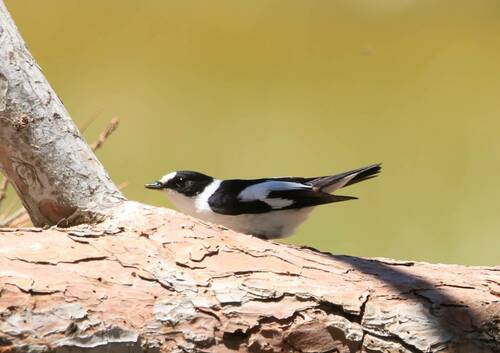
シロエリヒタキ (Ficedula albicollis) シロエリヒタキ
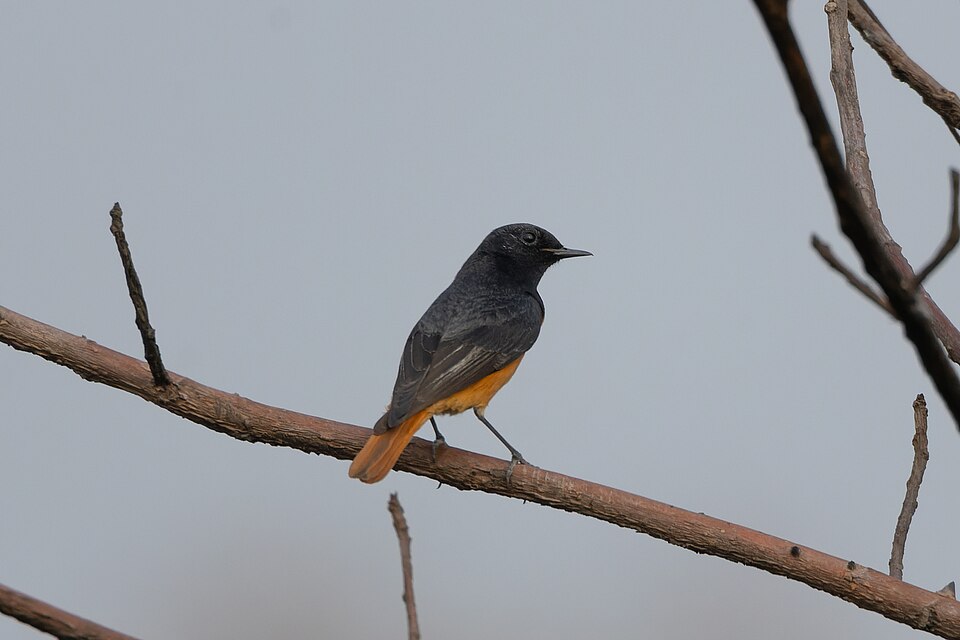
クロジョウビタキ (Phoenicurus ochruros) クロジョウビタキ

メディア

読み込み中…

要点

コラードヒタキとクロジョウビタキの最も信頼できるフィールドマークは、全体の色とパターンです:コラードヒタキ(特に成鳥のオス)は、はっきりとした白い襟と大きな白い翼の斑点を持つ大胆な黒と白の羽毛を示しますが、クロジョウビタキは一般的に暗い灰色から黒で、目を引くオレンジ赤の尾を持ち、白い襟や翼のパネルはありません。未熟なコラードヒタキと雌は非常に地味で、他のFicedulaヒタキと簡単に混同されますが、どの年齢や性別のクロジョウビタキにも特徴的な赤い尾は示しません。構造と姿勢も異なります:コラードヒタキはコンパクトで短い尾を持つヒタキですが、クロジョウビタキはより細長く、直立しており、尾が長く、しばしば振ったり震えたりします。生息地も役立ちます:コラードヒタキは成熟した落葉樹林を好み、クロジョウビタキは岩場や都市環境に見られます。

識別のコツ

  1. 尾の色(すべての年齢/性別): クロジョウビタキは常に鮮やかなオレンジ赤の尾を示し、止まっている時も飛んでいる時も見えます。コラードヒタキは尾に赤を示しません。
  2. 白い襟(成鳥オスのコラードヒタキ): シャープな白い襟は、繁殖羽毛のコラードヒタキのオスに特徴的です;クロジョウビタキは白い襟を示しません。
  3. 白い翼の斑点(コラードヒタキ): コラードヒタキ(特に成鳥のオス)は大きな白い翼の斑点を示します;クロジョウビタキはこれを欠きますが、一部の東部のクロジョウビタキは小さな淡い斑点を示すことがありますが、決してコラードヒタキほど大胆でも広範でもありません。
  4. 白い額の斑点(コラードヒタキ): 成鳥のオスのコラードヒタキは額に目立つ白い斑点を持ち、クロジョウビタキにはありません。
  5. 全体の色(成鳥のオス): コラードヒタキははっきりとした黒と白です;クロジョウビタキはすすけた黒または暗い灰色で赤い尾を持ち、決して本当に黒と白ではありません。
  6. 雌/幼鳥の落とし穴: 雌と幼鳥のコラードヒタキは淡い茶色がかった灰色で、雌/幼鳥のクロジョウビタキに似ることがありますが、尾に赤褐色を欠き、赤い尾の基部を示しません。
  7. 尾の動き: クロジョウビタキは習慣的に尾を振ったり震えたりします;コラードヒタキはそうしません。
  8. 止まっている姿勢: クロジョウビタキはより直立しており、尾が長く見えます;コラードヒタキはよりコンパクトで短い尾を持っています。
  9. 生息地の文脈: コラードヒタキは成熟した落葉樹林に見られます;クロジョウビタキは岩場、都市、または開けた生息地を好みます。
  10. 飛行パターン: 飛行中、コラードヒタキは白い翼の斑点と時々白い尾の側面(オス)を見せます;クロジョウビタキは常に赤い尾を見せます。
  11. くちばしの形: コラードヒタキはヒタキに典型的な広く尖ったくちばしを持っています;クロジョウビタキのくちばしはより細く、昆虫食のチャットに典型的です。
  12. 歌: コラードヒタキの歌は遅く、緊張した口笛;クロジョウビタキの歌はざらざらしていてガラガラ音がします。呼び声はより有用です:クロジョウビタキは鋭い「ティック」を出し、コラードヒタキは繁殖期以外ではあまり声を出しません。
  13. 季節的な落とし穴: 繁殖期以外では、コラードヒタキのオスはコントラストを失いますが、白い翼の斑点と襟を保持します(ただし鈍くなります);クロジョウビタキのオスは暗い腹部と赤い尾を保持します。
  14. ハイブリダイゼーションの落とし穴: コラードヒタキはオナガヒタキやセミコラードヒタキとハイブリダイズすることができますが、クロジョウビタキとはできません;クロジョウビタキとの混同は常に誤同定の問題であり、ハイブリッド羽毛ではありません。
  15. サイズの印象: 両者は長さが似ていますが、クロジョウビタキはより尾が長く、スリムに見えます、特に活動的または直立しているときに。

大きさ

両種は小型のスズメ目ですが、コラードヒタキはわずかに小さく(12–13.5 cm)よりコンパクトで、相対的に短い尾を持っています。クロジョウビタキは長さは似ていますが、直立した姿勢と尾の形状により、尾が長く、スリムに見えます。フィールドでは、クロジョウビタキは足が長く、より細長く見えることがあります、特に止まっているときに。

羽色

行動

コラードヒタキは典型的な空中ヒタキで、止まり木から飛び出して空中で昆虫を捕まえたり、葉から採取したりします。しばしば中層から上層の樹冠で行われます。直立して止まりますが、コンパクトで短い尾の見た目を持ち、尾を振りません。クロジョウビタキはより地上性で、岩、壁、または屋根の上でよく見られ、頻繁に尾を振ったり震えたりし、獲物のために地面に降りることが多いです。その直立した姿勢と常に動く尾は特徴的です。

生息環境

コラードヒタキは成熟した落葉樹林で繁殖し、特に古い木や巣作りのための空洞がある場所で見られ、開けた岩場や都市の生息地ではめったに見られません。クロジョウビタキは岩場、崖、採石場を好み、現在は都市環境(建物、工業地帯)で一般的で、密な森林にはめったに入らないです。都市や岩の突起で見られる場合、クロジョウビタキである可能性が高いです。

声

コラードヒタキは遅く、緊張した口笛の歌を持ち、クロジョウビタキとはかなり異なります。クロジョウビタキはざらざらしたガラガラ音の歌と特徴的なティック音を出します。ただし、歌は常に診断的ではなく、オナガヒタキは重複する地域でコラードヒタキを模倣することができ、クロジョウビタキの呼び声は分離により有用です。

より良い説明を送る

比較と同じ項目を使ってください。文章はすぐに公開されます。

The most reliable field mark between Collared Flycatcher and Black Redstart is overall color and pattern: Collared Flycatcher (especially adult males) shows bold black-and-white plumage with a distinct white collar and large white wing patch, while Black Redstart is generally dark grey to black with a striking orange-red tail and lacks any white collar or wing panel. Immature and female Collared Flycatchers can be very drab and are easily confused with other Ficedula flycatchers, but they never show the red tail that is diagnostic for Black Redstart of any age or sex. Structure and jizz also differ: Collared Flycatcher is a compact, short-tailed flycatcher, while Black Redstart is more slender and upright with a longer tail, often flicked or shivered. Habitat can help: Collared Flycatcher prefers mature deciduous woodland, while Black Redstart is found in rocky or urban settings.

  1. Tail Color (All Ages/Sexes): Black Redstart always shows a vivid orange-red tail, visible both perched and in flight. Collared Flycatcher never shows any red in the tail.
  2. White Collar (Adult Male Collared Flycatcher): A crisp white collar is diagnostic for Collared Flycatcher males in breeding plumage; Black Redstart never shows a white collar.
  3. White Wing Patch (Collared Flycatcher): Collared Flycatcher (especially adult males) shows a large white wing patch; Black Redstart lacks this, though some eastern Black Redstarts may show a small pale patch, but never as bold or extensive.
  4. White Forehead Spot (Collared Flycatcher): Adult male Collared Flycatcher has a prominent white spot on the forehead, absent in Black Redstart.
  5. Overall Color (Adult Males): Collared Flycatcher is sharply black-and-white; Black Redstart is sooty black or dark grey with red tail, never truly black-and-white.
  6. Female/Juvenile Pitfall: Female and juvenile Collared Flycatchers are pale brownish-grey and can resemble female/juvenile Black Redstart, but lack any rufous in the tail and never show the red tail base.
  7. Tail Movement: Black Redstart habitually flicks and shivers its tail; Collared Flycatcher does not.
  8. Perched Posture: Black Redstart stands more upright and appears longer-tailed; Collared Flycatcher is more compact and short-tailed.
  9. Habitat Context: Collared Flycatcher is found in mature deciduous woodland; Black Redstart prefers rocky, urban, or open habitats.
  10. Flight Pattern: In flight, Collared Flycatcher flashes a white wing patch and sometimes white tail sides (males); Black Redstart always flashes a red tail.
  11. Bill Shape: Collared Flycatcher has a broad, pointed bill typical of flycatchers; Black Redstart’s bill is finer, more typical of insectivorous chats.
  12. Song: Collared Flycatcher’s song is a slow, strained whistle; Black Redstart’s is scratchy and rattling. Calls are more useful: Black Redstart gives a sharp 'tick', Collared Flycatcher is less vocal outside breeding.
  13. Seasonal Pitfall: Outside the breeding season, Collared Flycatcher males lose some contrast but retain the white wing patch and collar (though duller); Black Redstart males retain their dark underparts and red tail.
  14. Hybridization Pitfall: Collared Flycatcher can hybridize with Pied and Semi-collared Flycatchers, but not with Black Redstart; confusion with Black Redstart is always a matter of misidentification, not hybrid plumage.
  15. Size Impression: Both are similar in length, but Black Redstart appears longer-tailed and slimmer, especially when active or upright.

Both species are small passerines, but Collared Flycatcher is slightly smaller (12–13.5 cm) and more compact, with a proportionally shorter tail. Black Redstart is similar in length but appears longer-tailed and slimmer due to its upright stance and tail shape. In the field, Black Redstart may look leggier and more elongated, especially when perched.

  • Juveniles and Females: Both can be drab brownish-grey, but only Black Redstart (all ages/sexes) shows a distinct orange-red tail, which is never present in Collared Flycatcher. Juvenile/female Collared Flycatchers lack any rufous tones in the tail and instead have a pale brown or greyish tail.
  • Adult Males (Breeding): Collared Flycatcher males are sharply black-and-white with a white collar, large white wing patch, white forehead spot, and pale rump. Black Redstart males are sooty black to dark grey with a bright orange-red tail and lack any white collar or large wing patch (some eastern forms may have a small pale wing patch, but never as bold as Collared Flycatcher).
  • Non-breeding/Immature Males: Collared Flycatcher males lose some contrast but retain the white wing patch and collar (though duller); Black Redstart males retain the red tail and dark underparts.
  • Flight: Collared Flycatcher shows a white wing patch and white sides to the tail (in some males), while Black Redstart always flashes a red tail with dark wings and body.

Collared Flycatcher is a classic aerial flycatcher, sallying from perches to catch insects in mid-air or gleaning from foliage, often in the mid to upper canopy. It perches upright but with a compact, short-tailed look and does not flick its tail. Black Redstart is more terrestrial and often seen on rocks, walls, or rooftops, frequently flicking or shivering its tail and dropping to the ground for prey. Its upright stance and constant tail movement are distinctive.

Collared Flycatcher breeds in mature deciduous woodland, especially with old trees and cavities for nesting, and is rarely found in open, rocky, or urban habitats. Black Redstart prefers rocky areas, cliffs, quarries, and is now common in urban environments (buildings, industrial sites), rarely venturing into dense woodland. If seen in a city or on a rocky outcrop, Black Redstart is much more likely.

Collared Flycatcher has a slow, strained whistle song, quite unlike the Black Redstart. Black Redstart gives a scratchy, rattling song and a distinctive ticking call. However, song is not always diagnostic, as Pied Flycatcher can mimic Collared Flycatcher in areas of overlap, and Black Redstart’s call is more useful for separation.

変更を破棄しますか?

保存していない編集があります。今離れると失われます。

シロエリヒタキ · クロジョウビタキ · 苦手な鳥