

caturra vs little corella
Nymphicus hollandicus versus Cacatua sanguinea
Jogue um quiz com caturra e little corella
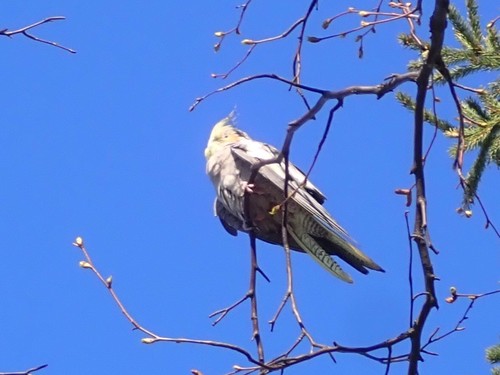 caturra
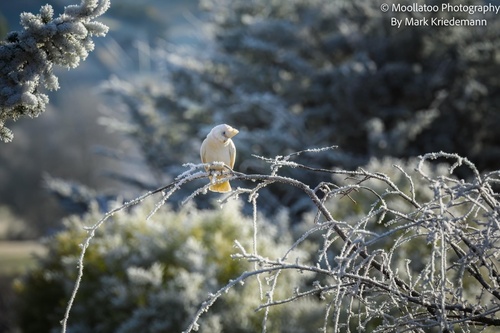 little corella
Em resumo
A marca de campo mais confiável para separar a caturra da little corella é a estrutura e coloração geral: a caturra é um papagaio esbelto e de cauda longa, com uma crista pontuda e expressiva e plumagem variável (geralmente cinza com rosto amarelo e mancha laranja na bochecha), enquanto a little corella é um cockatoo muito mais pesado, todo branco, com cauda curta e larga e um anel ocular azul. As caturra juvenis apresentam listras amarelas e manchas sob a cauda e as asas, que a little corella nunca apresenta em nenhuma idade. Em voo ou em repouso, a cauda longa e o pequeno tamanho da caturra são instantaneamente distintos em comparação com a little corella robusta, de asas largas e cauda curta. Se você ver um cockatoo branco em um bando, especialmente em áreas urbanas ou abertas, é quase certamente uma little corella; as caturra raramente são realmente brancas, exceto em aves domésticas ou de viveiro.
Dicas de identificação
- Tamanho e volume: A little corella é cerca de seis vezes mais pesada que a caturra e muito mais volumosa. Se a ave parecer robusta e quase do tamanho de uma pomba ou corvo, é uma corella; a caturra é esbelta e delicada.
- Comprimento e forma da cauda: A caturra tem uma cauda muito longa, estreita e pontuda, muitas vezes quase tão longa quanto seu corpo. A little corella tem uma cauda curta, larga e quadrada. Isso é óbvio tanto empoleirada quanto em voo.
- Crista: A caturra tem uma crista longa, pontuda e expressiva, muitas vezes mantida ereta ou para trás. A little corella tem uma crista curta e arredondada que é quase imperceptível.
- Forma do bico: A caturra tem um bico pequeno, fino, semelhante ao de um periquito. A little corella tem um bico grande, profundo e curvado de cockatoo, com mandíbulas superiores e inferiores de comprimento semelhante (não é de bico longo como a long-billed corella).
- Cor da plumagem: A caturra selvagem é principalmente cinza com rosto amarelo (macho) ou rosto cinza (fêmea) e uma mancha laranja brilhante na bochecha. A little corella é toda branca com um anel ocular azul pálido e um leve tom rosado nas lore; nunca apresenta mancha laranja na bochecha.
- Marcas juvenis/imaturas: As caturra juvenis e fêmeas apresentam listras amarelas sob a cauda e manchas amarelas sob as asas. A little corella nunca apresenta essas marcas em nenhuma idade.
- Confusão com caturra doméstica: Caturra brancas ou amarelas (lutino, albino, pied, etc.) podem ser confundidas com a little corella, mas sempre têm uma cauda longa, crista pontuda e (frequentemente) mancha laranja na bochecha. A little corella nunca apresenta bochechas laranjas ou cauda longa.
- Anel ocular: A little corella tem um anel ocular de pele nua azul pálido (às vezes azul mais escuro) bem visível. A caturra tem pele coberta de penas ao redor do olho, sem anel nu.
- Mancha na bochecha: A caturra sempre tem uma distinta mancha laranja na bochecha (selvagem e na maioria dos tipos domésticos), que nunca está presente na little corella.
- Estilo de voo: A caturra voa com batidas de asas rápidas e diretas e uma cauda longa arrastando. A little corella voa com batidas de asas mais lentas e profundas, muitas vezes em bandos apertados, e a cauda curta é óbvia.
- Tamanho do bando: A little corella é frequentemente vista em grandes bandos barulhentos de dezenas a milhares. A caturra raramente está em grandes bandos na natureza; geralmente é vista sozinha ou em pequenos grupos.
- Contexto do habitat: A little corella é comum em parques urbanos, campos esportivos e terras agrícolas, frequentemente se alimentando no chão. A caturra prefere áreas abertas com árvores dispersas e é menos provável que esteja em ambientes urbanos densos.
- Cor do bico: Ambas têm bicos pálidos, mas o da caturra é menor e mais delicado, enquanto o da little corella é grande e robusto.
- Dimorfismo sexual: Machos de caturra (tipo selvagem) têm um rosto e crista amarelos brilhantes; fêmeas e juvenis são mais cinzentos com listras amarelas sob a cauda. A little corella apresenta apenas uma leve diferença de tamanho entre os sexos, sem diferença de cor.
- Variação de subespécies: Algumas subespécies de little corella apresentam uma leve coloração amarelada nas coberturas auriculares inferiores ou um tom acastanhado sob as asas/cauda, mas nunca se aproximam das cores brilhantes ou padrões das mutações de caturra.
Tamanho
A caturra é muito menor e mais leve que a little corella. A caturra pesa em média 86 g [wikidata], tornando-se um pequeno papagaio, enquanto a little corella é muito mais pesada (média de 525 g [wikipedia]), cerca de seis vezes a massa. No campo, a caturra parece esbelta e delicada, com uma cauda longa e estreita, enquanto a little corella é robusta, de corpo largo e cauda curta. Mesmo à distância, a diferença de tamanho e volume é impressionante: a little corella é próxima em tamanho a um sulphur-crested cockatoo, enquanto a caturra está mais próxima de um periquito ou pomba pequena.
Plumagem
As caturra juvenis (e fêmeas adultas) têm listras horizontais amarelas distintas sob a cauda e manchas amarelas sob as asas, que estão ausentes na little corella de qualquer idade. As caturra adultas do tipo selvagem são principalmente cinzas com um rosto amarelo (macho) ou rosto cinza (fêmea), e ambos os sexos têm uma mancha laranja brilhante na bochecha. As caturra domésticas podem ser brancas, amarelas, canela, pied ou apresentar pérolas, mas sempre mantêm a cauda longa e a crista pontuda. A little corella é sempre branca no geral, com um anel ocular azul pálido e às vezes uma leve coloração amarelada nas coberturas auriculares inferiores (em algumas subespécies). A única cor na little corella é um leve tom rosado nas lore e na base do bico, nunca a bochecha laranja brilhante da caturra. Em voo, a little corella mostra asas e cauda totalmente brancas, enquanto as penas de voo da caturra são escuras nos tipos selvagens e variáveis nas aves domésticas. Nenhuma caturra, selvagem ou doméstica, jamais apresenta o anel ocular azul da little corella.
Comportamento
A caturra é tipicamente vista sozinha, em pares ou pequenos grupos, frequentemente empoleirada quietamente ou voando com batidas de asas rápidas e diretas e uma cauda longa e pontuda arrastando atrás. Elas são sociáveis, mas não costumam estar em grandes bandos na natureza. A little corella é altamente gregária, frequentemente formando bandos de centenas ou milhares, voando barulhenta e girando juntas. As corellas são muito mais propensas a serem vistas se alimentando no chão em campos abertos, gramados ou áreas agrícolas, e são notórias por seu comportamento destrutivo de mastigação. As caturra são mais delicadas em seus hábitos de alimentação e empoleiramento.
Habitat
A caturra é nativa de áreas áridas e semiáridas da Austrália, favorecendo áreas abertas com árvores dispersas, e é menos comum em áreas urbanas densas. A little corella é amplamente distribuída em habitats abertos, incluindo savanas, terras agrícolas, gramados e parques urbanos, e é especialmente comum e conspícua em cidades e regiões agrícolas. Se você ver um cockatoo branco em um parque da cidade ou em um campo esportivo em um grande bando, é quase certamente uma little corella. As caturra raramente são vistas em tais bandos urbanos.