

alvéola-citrina vs alvéola-branca
Motacilla citreola versus Motacilla alba
Jogue um quiz com alvéola-citrina e alvéola-branca
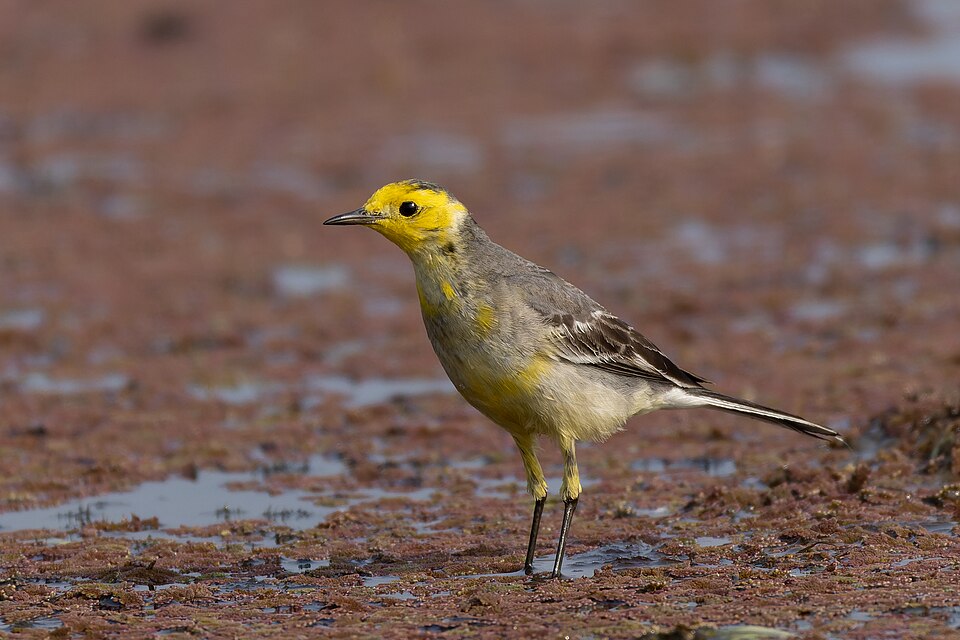 alvéola-citrina
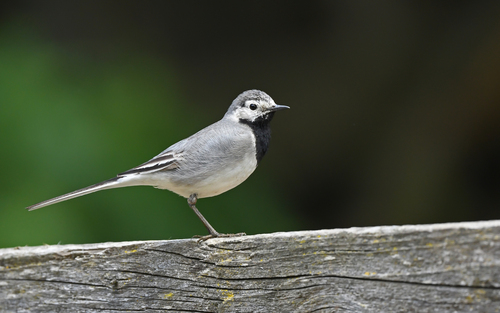 alvéola-branca
Em resumo
A marca de campo mais confiável entre alvéola-citrina e alvéola-branca é a cor da cabeça e das partes inferiores em adultos em reprodução: machos de alvéola-citrina apresentam uma cabeça e partes inferiores amarelas brilhantes, enquanto machos de alvéola-branca têm um rosto e garganta brancos ou pálidos com partes superiores pretas, cinzas ou escuras, dependendo da subespécie e da estação. Em plumagens não reprodutivas e imaturas, a separação é mais desafiadora, mas a alvéola-citrina geralmente retém algum amarelo no rosto e nas partes inferiores, enquanto os juvenis e fêmeas de alvéola-branca são geralmente cinzas, pretos e brancos, sem tons amarelos. Ambas as espécies são esbeltas, de cauda longa e semelhantes em tamanho e estrutura, portanto, atenção cuidadosa aos detalhes da plumagem—especialmente a presença ou ausência de amarelo—é essencial. Vistas em voo e empoleiradas podem ser úteis, mas cuidado com plumagens desbotadas ou transitórias.
Dicas de identificação
- Cabeça e partes inferiores amarelas brilhantes (macho em reprodução): Apenas a alvéola-citrina apresenta uma cabeça e partes inferiores totalmente amarelas em plumagem de reprodução. A alvéola-branca nunca apresenta amarelo.
- Tons amarelos em aves não reprodutivas e imaturas: Mesmo em inverno ou em alvéolas-citrinas imaturas, procure por um tom amarelado no rosto (especialmente no supercílio) e nas partes inferiores. A alvéola-branca é sempre cinza, preta e branca—nunca amarela.
- Padrão da cabeça (todas as estações): A alvéola-citrina tem uma cabeça amarela (macho em reprodução) ou pelo menos um supercílio amarelado (outras idades/estações). A alvéola-branca tem um rosto ou face pálida, com coroa e nuca pretas ou cinzas, e sem amarelo.
- Cor das costas (machos em reprodução): A alvéola-citrina é cinza ou preta por cima, com um contraste acentuado com a cabeça e partes inferiores amarelas. A alvéola-branca (especialmente a subespécie 'Pied') pode ter costas pretas (M. a. yarrellii) ou cinzas (nominate), mas sempre com rosto e partes inferiores brancas.
- Padrão das asas: Ambas mostram branco nas remiges, mas isso não é um separador forte. Foque na cor da cabeça e das partes inferiores.
- Variação de sexo e idade: Fêmeas e alvéolas-citrinas imaturas são mais pálidas, mas geralmente retêm algum amarelo. Fêmeas e alvéolas-brancas imaturas são cinzas e brancas, sem amarelo.
- Padrão da cauda: Ambas têm caudas longas e balançantes com bordas brancas. Não é um separador.
- Vistas em voo: Em voo, ambas mostram penas externas da cauda brancas e branco na asa, mas a alvéola-citrina pode mostrar partes inferiores amareladas. A alvéola-branca é sempre branca por baixo.
- Contexto do habitat: Na Europa ocidental, a alvéola-branca é muito mais comum. A alvéola-citrina é um vagante raro—considere a localização e a estação.
- Confusão de subespécies: Algumas subespécies de alvéola-branca (e.g., 'Pied Wagtail' M. a. yarrellii) são mais escuras por cima, mas ainda assim não apresentam amarelo. Não confunda alvéolas-brancas de costas escuras com a alvéola-citrina.
- Muda sazonal: Ambas as espécies tornam-se mais opacas no inverno, mas apenas a alvéola-citrina retém tons amarelados.
- Bico e estrutura: Ambas são esbeltas com bicos e estruturas semelhantes; não confie na forma para separação.
- Comportamento: Ambas balançam suas caudas e se alimentam de maneiras semelhantes. O comportamento não é um separador.
- Voz: Não descrita nas notas; não use para separação.
- Armadilhas: Alvéolas-citrinas desbotadas ou desgastadas podem parecer pálidas, mas mesmo um amarelo fraco é diagnóstico. Nunca conte com amarelo na alvéola-branca.
Tamanho
Both species are very close in size and structure, with alvéola-citrina measuring about 15.5–17 cm in length [wikipedia], and Pied/White Wagtail falling within a similar range. Both are slender with long, constantly wagging tails, and neither species is reliably separated by size or proportions in the field. Bill length and shape are similar, and both have a delicate, streamlined look typical of Motacilla wagtails.
Plumagem
-
Juvenile and first-winter plumage: Juvenile and immature Citrine Wagtails are generally duller than adults but often show some yellowish wash on the face or underparts, even in winter. Females are paler, resembling washed-out males, but still may show yellowish tones. Pied/White Wagtail juveniles and females lack yellow entirely, instead showing grey, black, and white patterns. The British 'Pied Wagtail' (M. a. yarrellii) is darker above, while other subspecies are paler grey.
-
Adult breeding plumage: Male alvéola-citrina is strikingly yellow on the head and underparts, with a black or greyish back and white in the wings. Pied/White Wagtail males have a white or pale face and throat, black or dark grey back (depending on subspecies), and white underparts. The head pattern is a key difference: alvéola-citrina's head is almost entirely yellow, while Pied/White Wagtail's is white with black or grey crown and nape.
-
Adult non-breeding plumage: alvéola-citrina's yellow is reduced but usually still visible, especially as a yellowish supercilium and some yellow on the underparts. Pied/White Wagtail becomes paler, with more grey tones replacing black, but never develops yellow. Both can look drab and washed out in winter, but yellow tones are a strong indicator of Citrine.
Comportamento
Ambas as espécies compartilham um comportamento semelhante de alvéola: são ativas, alimentando-se de insetos no chão, balançando constantemente suas longas caudas. Ambas podem ser vistas andando ou correndo em solo aberto, frequentemente perto da água. O voo é ondulante e direto, com ambas as espécies mostrando branco na cauda externa. Não há diferenças comportamentais fortes para separá-las em campo.
Habitat
A alvéola-citrina reproduz-se em prados úmidos e tundra ao longo do Palearctico central, e inverna no Sul da Ásia, frequentemente em áreas montanhosas. É um vagante raro, mas crescente, na Europa ocidental. A alvéola-branca é muito mais disseminada, reproduzindo-se na maior parte da Europa, Ásia e partes do Norte da África, e invernando na África e no sul da Ásia. Ambas as espécies podem ser encontradas perto da água, mas a alvéola-branca é muito mais provável em habitats urbanos ou modificados pelo homem, enquanto a alvéola-citrina prefere áreas mais úmidas e abertas durante a reprodução. Nos locais de invernada, ambas podem se sobrepor, mas a alvéola-branca é muito mais comum.