

Motmot

キガシラセキレイ 対 ハクセキレイ

Motacilla citreola 対 Motacilla alba

キガシラセキレイとハクセキレイのクイズ
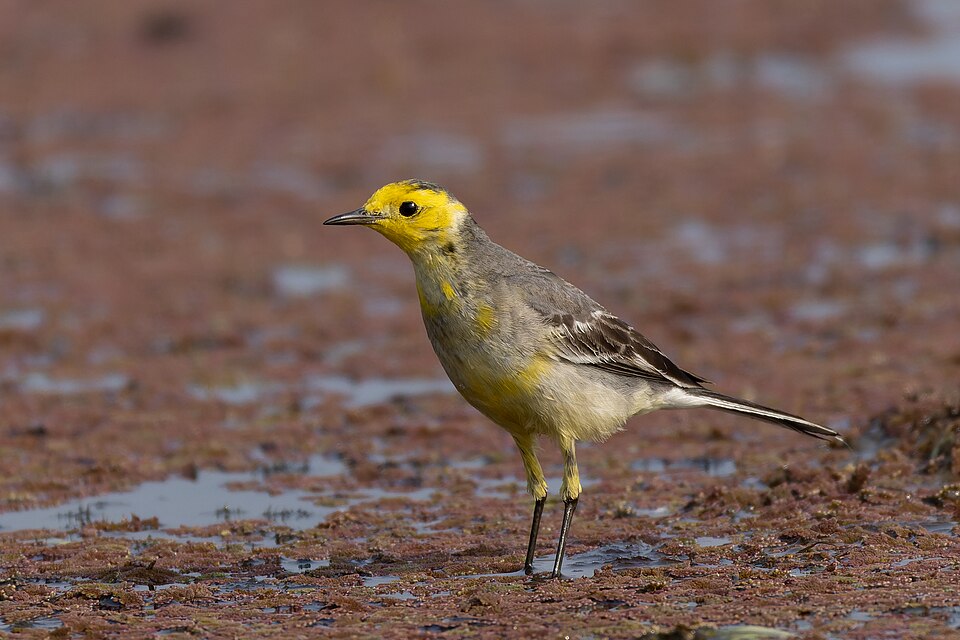
キガシラセキレイ (Motacilla citreola) キガシラセキレイ
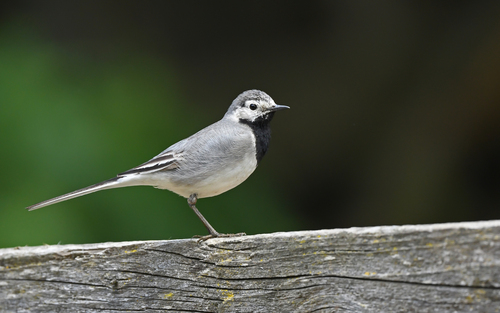
ハクセキレイ (Motacilla alba) ハクセキレイ

メディア

読み込み中…

要点

キガシラセキレイとハクセキレイの間で最も信頼できるフィールドマークは、繁殖期の成鳥における頭部と腹部の色です:キガシラセキレイのオスは明るい黄色の頭部と腹部を示しますが、ハクセキレイのオスは亜種や季節に応じて黒、灰色、または暗い上面を持つ白または淡い顔と喉を持っています。非繁殖期や未成熟の羽毛では、分離がより難しくなりますが、キガシラセキレイは通常、顔や腹部にいくらかの黄色を保持していますが、ハクセキレイの幼鳥や雌は一般的に灰色、黒、白で、黄色のトーンはありません。両種は細長く、長い尾を持ち、サイズと構造が似ているため、羽毛の詳細、特に黄色の有無に注意を払うことが重要です。飛行中や止まっている時の視点はどちらも役立ちますが、色あせた羽毛や移行期の羽毛には注意が必要です。

識別のコツ

  1. 明るい黄色の頭部と腹部(繁殖期のオス): キガシラセキレイだけが繁殖羽毛で完全に黄色の頭部と腹部を示します。ハクセキレイは決して黄色を示しません。
  2. 非繁殖期および未成熟の鳥の黄色のトーン: 冬や未成熟のキガシラセキレイでも、顔(特に眉斑)や腹部に黄色がかった色合いを探してください。ハクセキレイは常に灰色、黒、白で、決して黄色ではありません。
  3. 頭の模様(すべての季節): キガシラセキレイは黄色の頭部(繁殖期のオス)または少なくとも黄色がかった眉斑(他の年齢/季節)を持っています。ハクセキレイは白または淡い顔を持ち、黒または灰色の冠と後頭部があり、黄色はありません。
  4. 背中の色(繁殖期のオス): キガシラセキレイは上面が灰色または黒で、黄色の頭部と腹部との間に鮮やかなコントラストがあります。ハクセキレイ(特に「ハク」亜種)は黒い背中(M. a. yarrellii)または灰色の背中(標準型)を持つことがありますが、常に白い顔と腹部を持っています。
  5. 翼の模様: 両種とも羽毛の中に白を示しますが、これは強い分離要因ではありません。頭部と腹部の色に焦点を当ててください。
  6. 性別と年齢の変異: 雌および未成熟のキガシラセキレイは色が薄いですが、通常はいくらかの黄色を保持しています。雌および未成熟のハクセキレイは灰色と白で、黄色はありません。
  7. 尾の模様: 両種とも白い縁のある長い尾を持っています。分離要因ではありません。
  8. 飛行中の視点: 飛行中、両種とも外側の尾羽と翼に白を示しますが、キガシラセキレイは黄色がかった腹部を示すことがあります。ハクセキレイは常に下側が白です。
  9. 生息地の文脈: 西ヨーロッパでは、ハクセキレイが圧倒的に一般的です。キガシラセキレイは珍しい迷鳥です—場所と季節を考慮してください。
  10. 亜種の混乱: 一部のハクセキレイの亜種(例:「ハクセキレイ」M. a. yarrellii)は上面が暗いですが、依然として黄色はありません。暗い背中のハクセキレイをキガシラセキレイと混同しないでください。
  11. 季節的な換羽: 両種は冬に色が鈍くなりますが、キガシラセキレイだけが黄色がかったトーンを保持します。
  12. くちばしと構造: 両種とも細長く、似たようなくちばしと構造を持っています;形状に頼って分離しないでください。
  13. 行動: 両種とも尾を振り、似たような方法で餌を食べます。行動は分離要因ではありません。
  14. 声: メモには記載されていません;分離には使用しないでください。
  15. 落とし穴: 色あせたまたは摩耗したキガシラセキレイは色が薄く見えることがありますが、わずかな黄色でも診断的です。ハクセキレイの黄色には決して頼らないでください。

大きさ

両種はサイズと構造が非常に近く、キガシラセキレイは約15.5〜17 cmの長さで、ハクセキレイも同様の範囲に入ります。両種とも細長く、長い尾を持ち、フィールドでサイズや比率によって確実に分離されることはありません。くちばしの長さと形状は似ており、両方ともMotacillaセキレイに典型的な繊細で流線型の外観を持っています。

羽色

行動

両種は似たようなセキレイの行動を共有しています:彼らは活発で、地面で餌を食べる昆虫食で、常に長い尾を振っています。両種とも水の近くで開けた地面を歩いたり走ったりするのが見られます。飛行は波打つようで直接的で、両種とも外側の尾に白を示します。フィールドで分離するための強い行動の違いはありません。

生息環境

キガシラセキレイは中央ユーラシアの湿った草地やツンドラで繁殖し、南アジアで冬を越し、しばしば高地に生息します。西ヨーロッパでは珍しいが増加している迷鳥です。ハクセキレイははるかに広範囲に分布し、ヨーロッパ、アジア、北アフリカの一部で繁殖し、アフリカと南アジアで冬を越します。両種とも水の近くで見られますが、ハクセキレイは都市や人間が改変した生息地で見られる可能性が高く、キガシラセキレイは繁殖期に湿った、より開けた地域を好みます。冬の生息地では、両種が重なることがありますが、ハクセキレイははるかに一般的です。

より良い説明を送る

比較と同じ項目を使ってください。文章はすぐに公開されます。

The most reliable field mark between Citrine Wagtail and Pied/White Wagtail is the head and underpart color in breeding adults: Citrine Wagtail males show a bright yellow head and underparts, while Pied/White Wagtail males have a white or pale face and throat with black, grey, or dark upperparts depending on subspecies and season. In non-breeding and immature plumages, separation is more challenging, but Citrine Wagtail typically retains some yellow on the face and underparts, whereas Pied/White Wagtail juveniles and females are generally grey, black, and white without yellow tones. Both species are slender, long-tailed, and similar in size and structure, so careful attention to plumage details—especially the presence or absence of yellow—is essential. Flight and perched views can both be useful, but beware of washed-out or transitional plumages.

  1. Bright yellow head and underparts (breeding male): Only Citrine Wagtail shows a fully yellow head and underparts in breeding plumage. Pied/White Wagtail never shows yellow.
  2. Yellow tones in non-breeding and immature birds: Even in winter or immature Citrine Wagtails, look for yellowish wash on the face (especially supercilium) and underparts. Pied/White Wagtail is always grey, black, and white—never yellow.
  3. Head pattern (all seasons): Citrine Wagtail has a yellow head (breeding male) or at least a yellowish supercilium (other ages/seasons). Pied/White Wagtail has a white or pale face, with black or grey crown and nape, and no yellow.
  4. Back color (breeding males): Citrine Wagtail is grey or black above, with a sharp contrast to the yellow head and underparts. Pied/White Wagtail (especially 'Pied' subspecies) can be black-backed (M. a. yarrellii) or grey-backed (nominate), but always with white face and underparts.
  5. Wing pattern: Both show white in the remiges, but this is not a strong separator. Focus on head and underpart color.
  6. Sex and age variation: Female and immature Citrine Wagtails are paler but usually retain some yellow. Female and immature Pied/White Wagtails are grey and white, lacking yellow.
  7. Tail pattern: Both have long, wagging tails with white edges. Not a separator.
  8. Flight views: In flight, both show white outer tail feathers and white in the wing, but Citrine may show yellowish underparts. Pied/White Wagtail is always white below.
  9. Habitat context: In western Europe, Pied/White Wagtail is vastly more common. Citrine is a rare vagrant—consider location and season.
  10. Subspecies confusion: Some Pied/White Wagtail subspecies (e.g., 'Pied Wagtail' M. a. yarrellii) are darker above, but still lack yellow. Do not confuse dark-backed Pied Wagtails with Citrine.
  11. Seasonal molt: Both species become duller in winter, but only Citrine retains yellowish tones.
  12. Bill and structure: Both are slender with similar bills and structure; do not rely on shape for separation.
  13. Behavior: Both wag their tails and feed in similar ways. Behavior is not a separator.
  14. Voice: Not described in the notes; do not use for separation.
  15. Pitfalls: Washed-out or worn Citrine Wagtails can look pale, but even faint yellow is diagnostic. Never count on yellow in Pied/White Wagtail.

Both species are very close in size and structure, with Citrine Wagtail measuring about 15.5–17 cm in length [wikipedia], and Pied/White Wagtail falling within a similar range. Both are slender with long, constantly wagging tails, and neither species is reliably separated by size or proportions in the field. Bill length and shape are similar, and both have a delicate, streamlined look typical of Motacilla wagtails.

  • Juvenile and first-winter plumage: Juvenile and immature Citrine Wagtails are generally duller than adults but often show some yellowish wash on the face or underparts, even in winter. Females are paler, resembling washed-out males, but still may show yellowish tones. Pied/White Wagtail juveniles and females lack yellow entirely, instead showing grey, black, and white patterns. The British 'Pied Wagtail' (M. a. yarrellii) is darker above, while other subspecies are paler grey.

  • Adult breeding plumage: Male Citrine Wagtail is strikingly yellow on the head and underparts, with a black or greyish back and white in the wings. Pied/White Wagtail males have a white or pale face and throat, black or dark grey back (depending on subspecies), and white underparts. The head pattern is a key difference: Citrine Wagtail's head is almost entirely yellow, while Pied/White Wagtail's is white with black or grey crown and nape.

  • Adult non-breeding plumage: Citrine Wagtail's yellow is reduced but usually still visible, especially as a yellowish supercilium and some yellow on the underparts. Pied/White Wagtail becomes paler, with more grey tones replacing black, but never develops yellow. Both can look drab and washed out in winter, but yellow tones are a strong indicator of Citrine.

Both species share similar wagtail behavior: they are active, ground-feeding insectivores, constantly wagging their long tails. Both can be seen walking or running on open ground, often near water. Flight is undulating and direct, with both species showing white in the outer tail. There are no strong behavioral differences to separate them in the field.

Citrine Wagtail breeds in wet meadows and tundra across the central Palearctic, and winters in South Asia, often in highland areas. It is a rare but increasing vagrant in western Europe. Pied/White Wagtail is much more widespread, breeding across most of Europe, Asia, and parts of North Africa, and wintering in Africa and southern Asia. Both species can be found near water, but Pied/White Wagtail is much more likely in urban or human-modified habitats, while Citrine prefers wetter, more open areas during breeding. In wintering grounds, both may overlap, but Pied/White Wagtail is far more common.

変更を破棄しますか?

保存していない編集があります。今離れると失われます。

キガシラセキレイ · ハクセキレイ · 苦手な鳥