

milheirinha-serrana vs milheirinha-da-córsega
Carduelis citrinella versus Carduelis corsicana
Jogue um quiz com milheirinha-serrana e milheirinha-da-córsega
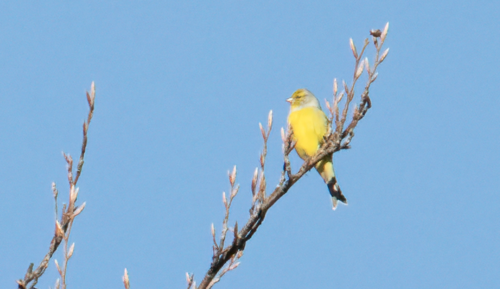 milheirinha-serrana
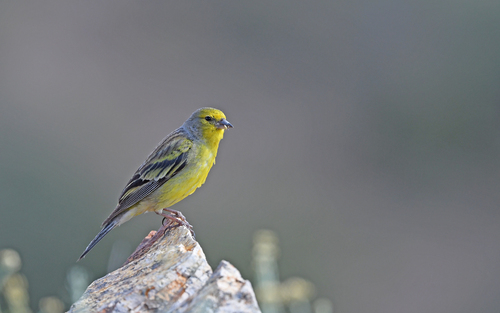 milheirinha-da-córsega
Em resumo
A maneira mais confiável de separar a milheirinha-serrana da milheirinha-da-córsega é verificando cuidadosamente o tom do amarelo nas partes inferiores e no rosto, e a cor das coberturas da cauda: a milheirinha-serrana apresenta um amarelo mais brilhante com um leve tom esverdeado e coberturas da cauda em tom oliva, enquanto a milheirinha-da-córsega tem um amarelo mais opaco, menos esverdeado e coberturas da cauda distintamente acinzentadas. Ambas as espécies são muito semelhantes em tamanho e estrutura, e ambos os sexos podem parecer semelhantes, mas diferenças sutis na cor das costas e nas vocalizações podem ajudar. Os juvenis de ambas são acastanhados, mas os tons gerais da milheirinha-da-córsega são mais opacos e menos verdes. O habitat e a distribuição também são úteis: a milheirinha-serrana é encontrada nas montanhas do sudoeste da Europa continental, enquanto a milheirinha-da-córsega é restrita à Córsega, Sardenha e ilhas próximas.
Dicas de identificação
- Verifique o tom amarelo no rosto e nas partes inferiores: a milheirinha-serrana tem um amarelo mais brilhante com um leve tom esverdeado, enquanto a milheirinha-da-córsega é mais opaca e não possui o tom esverdeado. Isso é mais confiável em boa luz e em machos adultos.
- Cor das coberturas da cauda: a milheirinha-serrana apresenta coberturas da cauda em tom oliva; a milheirinha-da-córsega tem coberturas da cauda acinzentadas. Isso é sutil, mas diagnóstico se visto bem.
- Cor das costas e listras: ambas têm costas acastanhadas com listras escuras, mas a milheirinha-da-córsega é geralmente mais opaca e mais acastanhada; a milheirinha-serrana pode parecer ligeiramente mais acinzentada por cima.
- Faixas duplas nas asas: ambas as espécies têm faixas duplas amarelas nas asas, mas estas podem ser mais proeminentes na milheirinha-serrana. Não é um separador forte, mas vale a pena verificar em boas vistas.
- Plumagem juvenil: a juvenil da milheirinha-serrana é marrom, sem amarelo ou verde, enquanto os juvenis da milheirinha-da-córsega também são marrons e listrados, mas ainda mais opacos. Na prática, separar juvenis é extremamente difícil e pouco confiável em campo.
- Diferenças sexuais: as fêmeas de ambas as espécies são mais opacas que os machos, mas as fêmeas da milheirinha-da-córsega são especialmente atenuadas, com menos amarelo no geral.
- Vocalizações: Ouça uma canção mais longa e estruturada na milheirinha-da-córsega (às vezes semelhante a um chapim), e um chamado de voo mais fraco e tremulante. A milheirinha-serrana emite um chilrear prateado e um chamado 'tee-ee'. Essas diferenças são sutis e são melhor usadas como evidência de apoio.
- Habitat e distribuição: Se você está na Córsega, Sardenha ou ilhas próximas, você está vendo a milheirinha-da-córsega. Nos Alpes, Pirenéus ou outras montanhas do sudoeste da Europa, é a milheirinha-serrana. Não há sobreposição natural.
- Bico, cauda e estrutura: ambas são pequenas, com estrutura compacta e bicos e formas de cauda semelhantes; a estrutura não é um separador confiável.
- Composição do bando: ambas as espécies podem formar pequenos grupos, especialmente fora da temporada de reprodução, mas bandos mistos das duas não ocorrem devido a distribuições não sobrepostas.
- Armadilhas de iluminação: Luz fraca pode obscurecer os sutis tons esverdeados ou acinzentados que separam essas espécies; sempre tente observar em boa luz e de múltiplos ângulos.
- Variação sazonal: Ambas as espécies são residentes e não apresentam mudanças sazonais fortes na plumagem, embora o desgaste e a muda possam atenuar as cores, especialmente em fêmeas e juvenis.
- Confusão com outros tentilhões: A juvenil da milheirinha-serrana não possui amarelo ou verde, ao contrário da milheirinha-europeia ou do lugre, mas isso não ajuda com a milheirinha-da-córsega, que é igualmente opaca na juventude.
- Use múltiplas características: Nenhuma marca de campo única é sempre diagnóstica; use uma combinação de tom amarelo, coberturas da cauda, cor das costas e (se possível) voz e localização.
- Tenha cautela com aves opacas: Fêmeas e juvenis são especialmente complicados. Quando em dúvida, confie na distribuição e no contexto tanto quanto na plumagem.
Tamanho
Ambas as espécies são quase idênticas em tamanho: a milheirinha-serrana mede em média 12 cm de comprimento e 12,5 g de peso, enquanto a milheirinha-da-córsega varia de 11,5 a 12,5 cm. No campo, o tamanho não é um separador confiável, pois qualquer diferença é negligenciável e ambas são pequenas, com estrutura compacta. A estrutura, incluindo bico e cauda, também é muito semelhante entre as duas.
Plumagem
Para todas as idades, concentre-se no seguinte:
- Adultos: A milheirinha-serrana é acinzentada por cima com costas acastanhadas e listradas de preto, e apresenta um rosto e partes inferiores amarelos brilhantes com um leve tom esverdeado. Suas coberturas da cauda são em tom oliva. A milheirinha-da-córsega também tem costas acastanhadas com listras escuras, mas o amarelo no rosto e nas partes inferiores é menos esverdeado e mais sutil, e as coberturas da cauda são distintamente acinzentadas em vez de oliva.
- Fêmeas: Ambas são mais opacas que os machos, mas as fêmeas da milheirinha-da-córsega são particularmente atenuadas.
- Juvenis: Ambas são marrons e listradas, mas os juvenis da milheirinha-serrana não possuem amarelo ou verde, enquanto os juvenis da milheirinha-da-córsega também são marrons e opacos, com ainda menos tom esverdeado ou amarelado do que os adultos.
- Padrão das asas: Nenhuma diferença distinta no padrão das asas superiores é descrita para imaturos ou adultos; ambas têm faixas duplas nas asas, mas estas são amarelas e mais proeminentes na milheirinha-serrana.
Comportamento
O comportamento não é destacado como um separador nas fontes. Ambas as espécies são tentilhões típicos em seus movimentos e hábitos alimentares, e são frequentemente vistas em pequenos bandos ou pares, forrageando entre árvores ou arbustos. O estilo de voo e a aparência não são notados como distintivos.
Habitat
A milheirinha-serrana é uma criadora residente nas montanhas do sudoeste da Europa, da Espanha aos Alpes, e não é encontrada em ilhas do Mediterrâneo. A milheirinha-da-córsega é endêmica da Córsega, Sardenha e pequenas ilhas próximas na França e Itália. Se você está observando aves na Córsega ou Sardenha, você está quase certamente vendo a milheirinha-da-córsega; em outros lugares nos Alpes ou Pirenéus, será a milheirinha-serrana. A sobreposição não ocorre na natureza.
Voz
Ambas as espécies têm vocalizações semelhantes, mas há diferenças sutis: o chamado de voo da milheirinha-da-córsega é mais fraco e mais tremulante, e sua canção é mais longa e mais estruturada, às vezes comparada ao chapim-europeu. A canção da milheirinha-serrana é um chilrear prateado, semelhante ao pintassilgo-europeu e à milheirinha-europeia, com um chamado principal descrito como 'tee-ee', semelhante ao lugre. Essas diferenças são sutis e podem ser difíceis de julgar sem experiência.
milheirinha-serrana · milheirinha-da-córsega · Minhas aves difíceis