

Motmot

シトロンヒワ 対 コルシカヒワ

Carduelis citrinella 対 Carduelis corsicana

シトロンヒワとコルシカヒワのクイズ
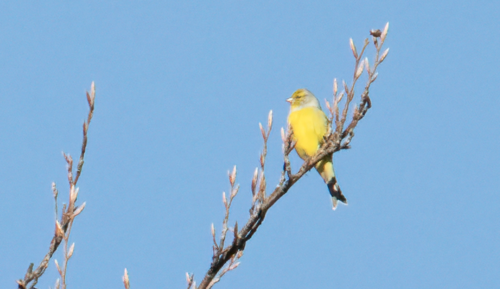
シトロンヒワ (Carduelis citrinella) シトロンヒワ
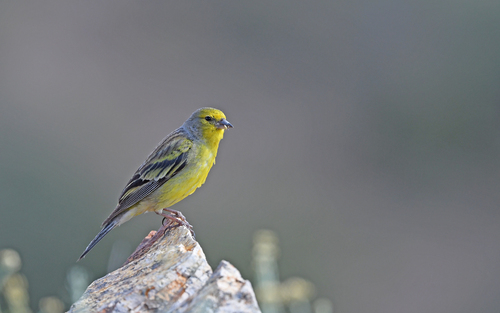
コルシカヒワ (Carduelis corsicana) コルシカヒワ

メディア

読み込み中…

要点

シトロンヒワとコルシカヒワを区別する最も信頼できる方法は、腹部と顔の黄色のトーン、そして上尾筒の色を注意深く確認することです。シトロンヒワは明るい黄色でわずかに緑がかった色合いとオリーブ色の上尾筒を示しますが、コルシカヒワは鈍い、あまり緑がかった黄色と明確に灰色がかった上尾筒を持っています。両種はサイズと構造が非常に似ており、両性ともに似て見えることがありますが、背中の色や鳴き声の微妙な違いが役立つことがあります。両者の幼鳥は茶色がかっていますが、コルシカヒワの全体的なトーンは鈍く、緑が少ないです。生息地と分布も役立ちます:シトロンヒワは南西ヨーロッパの本土の山々に生息していますが、コルシカヒワはコルシカ、サルデーニャ、近隣の島々に限定されています。

識別のコツ

  1. 顔と腹部の黄色のトーンを確認する:シトロンヒワは明るい黄色でわずかに緑がかった色合いを持っていますが、コルシカヒワは鈍く、緑がかった洗いがありません。これは良い光の下で、成鳥のオスにおいて最も信頼できます。
  2. 上尾筒の色:シトロンヒワはオリーブ色の上尾筒を示しますが、コルシカヒワは灰色がかった上尾筒を持っています。これは微妙ですが、よく見れば診断的です。
  3. 背中の色と筋模様:両者は茶色の背中に暗い筋模様がありますが、コルシカヒワは全体的に鈍く、茶色がかっています。シトロンヒワは上部がわずかに灰色がかって見えることがあります。
  4. 二重の翼帯:両種は黄色の二重翼帯を持っていますが、シトロンヒワの方が目立つことがあります。強い区別要因ではありませんが、良い視界で確認する価値があります。
  5. 幼鳥の羽毛:幼鳥のシトロンヒワは茶色で、黄色や緑がありませんが、コルシカヒワの幼鳥も茶色で筋模様がありますが、さらに鈍いです。実際には、幼鳥を区別することは非常に難しく、現場では信頼できません。
  6. 性差:両種の雌は雄よりも鈍いですが、コルシカヒワの雌は特に muted で、全体的に黄色が少ないです。
  7. 鳴き声:コルシカヒワの方が長く、より構造的な歌を持ち(時にはウズラのよう)、弱く、震える飛び立ちの呼び声を持っています。シトロンヒワは銀色のツイッターと「ティー・イー」という呼び声を出します。これらの違いは微妙で、補助的な証拠として使用するのが最適です。
  8. 生息地と分布:コルシカ、サルデーニャ、または近隣の島にいる場合、コルシカヒワを見ていることになります。アルプス、ピレネー、または他の南西ヨーロッパの山々ではシトロンヒワです。自然の重複はありません。
  9. 嘴、尾、構造:両者は小さく、コンパクトなヒワで、嘴と尾の形は似ています。構造は信頼できる区別要因ではありません。
  10. 群れの構成:両種は繁殖期以外に小さな群れを形成することがありますが、重複しない分布のため、混合群れは発生しません。
  11. 照明の落とし穴:悪い光は、これらの種を区別する微妙な緑がかったまたは灰色がかったトーンを隠すことがあります。常に良い光の下で、複数の角度から見るようにしてください。
  12. 季節変動:両種は常駐し、強い季節的な羽毛の変化を示しませんが、摩耗や換羽が色を鈍くすることがあります。特に雌や幼鳥において。
  13. 他のヒワとの混同:幼鳥のシトロンヒワは黄色や緑がなく、ヨーロッパセリンやマヒワとは異なりますが、コルシカヒワには役立ちません。コルシカヒワも幼鳥の時期は同様に鈍いです。
  14. 複数の特徴を使用する:単一のフィールドマークは常に診断的ではありません。黄色のトーン、上尾筒、背中の色、(可能であれば)声と場所の組み合わせを使用してください。
  15. 鈍い鳥には注意する:雌や幼鳥は特に難しいです。疑わしい場合は、羽毛と同じくらい分布と文脈に頼ってください。

大きさ

両種はサイズがほぼ同じです:シトロンヒワは平均12 cmの長さと12.5 gの重さで、コルシカヒワは11.5–12.5 cmの範囲です。現場では、サイズは信頼できる区別要因ではなく、どんな違いも微小で、両者は小さく、コンパクトなヒワです。構造、嘴や尾を含め、両者は非常に似ています。

羽色

すべての年齢において、以下に焦点を当ててください:
- 成鳥:シトロンヒワは上部が灰色がかり、茶色がかった黒い筋模様の背中を持ち、明るい黄色の顔と腹部を示し、わずかに緑がかった洗いがあります。上尾筒はオリーブ色です。コルシカヒワも茶色の背中に暗い筋模様がありますが、顔と腹部の黄色はあまり緑がかっておらず、より控えめで、上尾筒は明確に灰色がかっています。
- 雌:両者は雄よりも鈍いですが、コルシカヒワの雌は特に muted です。
- 幼鳥:両者は茶色で筋模様がありますが、シトロンヒワの幼鳥は黄色や緑がなく、コルシカヒワの幼鳥も茶色で鈍く、成鳥よりも緑がかったり黄色がかったりする色合いが少ないです。
- 翼のパターン:未熟な個体や成鳥のための特異な上翼パターンの違いは記載されていません。両者は二重翼帯を持っていますが、これらは黄色で、シトロンヒワの方が目立ちます。

行動

行動は、情報源で区別要因として強調されていません。両種は動きや食事の習慣において典型的なヒワであり、小さな群れやペアで見られることが多く、木や低木の間で餌を探しています。飛行スタイルやジズは特に目立つものではありません。

生息環境

シトロンヒワは南西ヨーロッパの山々で繁殖する常駐種で、スペインからアルプスまで生息し、地中海の島々には見られません。コルシカヒワはコルシカ、サルデーニャ、フランスとイタリアの近隣の小さな島々に特有です。コルシカやサルデーニャでバードウォッチングをしている場合、ほぼ確実にコルシカヒワを見ています。アルプスやピレネーの他の場所ではシトロンヒワです。野生では重複は発生しません。

声

両種は似たような鳴き声を持っていますが、微妙な違いがあります:コルシカヒワの飛び立ちの呼び声は弱く、より震えたもので、歌は長く、より構造的で、時にはユーラシアウズラに例えられます。シトロンヒワの歌は銀色のツイッターで、ヨーロッパゴシキヒワやセリンを思わせるもので、主な呼び声は「ティー・イー」と表現され、ユーラシアマヒワに似ています。これらの違いは微妙で、経験がないと判断が難しいかもしれません。

より良い説明を送る

比較と同じ項目を使ってください。文章はすぐに公開されます。

The most reliable way to separate Citril Finch from Corsican Finch is by carefully checking the tone of the yellow on the underparts and face, and the color of the uppertail coverts: Citril Finch shows a brighter yellow with a faint greenish tinge and olive-toned uppertail coverts, while Corsican Finch has a duller, less greenish yellow and distinctly greyish uppertail coverts. Both species are very similar in size and structure, and both sexes can look alike, but subtle differences in back color and vocalizations can help. Juveniles of both are brownish, but the Corsican Finch's overall tones are duller and less green. Habitat and range are also useful: Citril Finch is found in mainland southwestern European mountains, while Corsican Finch is restricted to Corsica, Sardinia, and nearby islands.

  1. Check the yellow tone on the face and underparts: Citril Finch has a brighter yellow with a faint greenish tinge, while Corsican Finch is duller and lacks the greenish wash. This is most reliable in good light and on adult males.
  2. Uppertail coverts color: Citril Finch shows olive-toned uppertail coverts; Corsican Finch has greyish uppertail coverts. This is subtle but diagnostic if seen well.
  3. Back color and streaking: Both are brown-backed with dark streaks, but Corsican Finch is overall duller and browner; Citril Finch can appear slightly more greyish above.
  4. Double wing bars: Both species have yellow double wing bars, but these may be more prominent on Citril Finch. Not a strong separator, but worth checking in good views.
  5. Juvenile plumage: Juvenile Citril Finch is brown, lacking any yellow or green, while Corsican Finch juveniles are also brown and streaked, but even duller. In practice, separating juveniles is extremely difficult and unreliable in the field.
  6. Sex differences: Females of both species are duller than males, but Corsican Finch females are especially muted, with less yellow overall.
  7. Vocalizations: Listen for a longer, more structured song in Corsican Finch (sometimes wren-like), and a weaker, tremulous flight call. Citril Finch gives a silvery twitter and a 'tee-ee' call. These differences are subtle and best used as supporting evidence.
  8. Habitat and range: If you are on Corsica, Sardinia, or nearby islands, you are seeing Corsican Finch. In the Alps, Pyrenees, or other southwestern European mountains, it is Citril Finch. There is no natural overlap.
  9. Bill, tail, and structure: Both are small, compact finches with similar bills and tail shapes; structure is not a reliable separator.
  10. Flock composition: Both species may form small groups, especially outside the breeding season, but mixed flocks of the two do not occur due to non-overlapping ranges.
  11. Lighting pitfalls: Poor light can obscure the subtle greenish or greyish tones that separate these species; always try to view in good light and from multiple angles.
  12. Seasonal variation: Both species are resident and do not show strong seasonal plumage changes, though wear and molt can dull colors, especially in females and juveniles.
  13. Confusion with other finches: Juvenile Citril Finch lacks yellow or green, unlike European Serin or Siskin, but this does not help with Corsican Finch, which is similarly dull in youth.
  14. Use multiple features: No single field mark is always diagnostic; use a combination of yellow tone, uppertail coverts, back color, and (if possible) voice and location.
  15. Be cautious with dull birds: Females and juveniles are especially tricky. When in doubt, rely on range and context as much as plumage.

Both species are nearly identical in size: Citril Finch averages 12 cm in length and 12.5 g in weight, while Corsican Finch ranges from 11.5–12.5 cm. In the field, size is not a reliable separator, as any difference is negligible and both are small, compact finches. Structure, including bill and tail, is also very similar between the two.

For all ages, focus on the following:
- Adults: Citril Finch is greyish above with a brown-tinged, black-streaked back, and shows a bright yellow face and underparts with a faint greenish wash. Its uppertail coverts are olive-toned. Corsican Finch is also brown-backed with dark streaks, but the yellow on the face and underparts is less greenish and more subdued, and the uppertail coverts are distinctly greyish rather than olive.
- Females: Both are duller than males, but Corsican Finch females are particularly muted.
- Juveniles: Both are brown and streaked, but Citril Finch juveniles lack any yellow or green, while Corsican Finch juveniles are also brown and dull, with even less greenish or yellowish tint than adults.
- Wing pattern: No distinctive upperwing pattern differences are described for immatures or adults; both have double wing bars, but these are yellow and more prominent on Citril Finch.

Behavior is not highlighted as a separator in the sources. Both species are typical finches in their movements and feeding habits, and are likely to be seen in small flocks or pairs, foraging among trees or shrubs. Flight style and jizz are not noted as distinctive.

Citril Finch is a resident breeder in the mountains of southwestern Europe, from Spain to the Alps, and is not found on Mediterranean islands. Corsican Finch is endemic to Corsica, Sardinia, and nearby small islands in France and Italy. If you are birding on Corsica or Sardinia, you are almost certainly seeing Corsican Finch; elsewhere in the Alps or Pyrenees, it will be Citril Finch. Overlap does not occur in the wild.

Both species have similar vocalizations, but there are subtle differences: Corsican Finch's flight call is weaker and more tremulous, and its song is longer and more structured, sometimes compared to the Eurasian Wren. Citril Finch's song is a silvery twitter, reminiscent of the European Goldfinch and European Serin, with a main call described as 'tee-ee', similar to Eurasian Siskin. These differences are subtle and may be hard to judge without experience.

変更を破棄しますか?

保存していない編集があります。今離れると失われます。

シトロンヒワ · コルシカヒワ · 苦手な鳥