

chinese bush warbler vs spotted bush warbler
Locustella tacsanowskia versus Locustella thoracica
Jogue um quiz com chinese bush warbler e spotted bush warbler
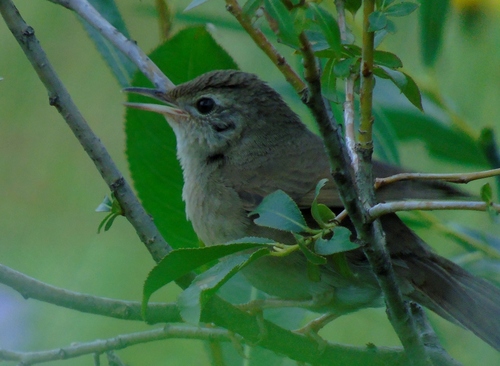 chinese bush warbler
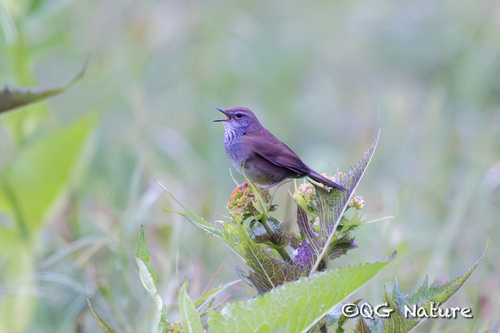 spotted bush warbler
Em resumo
Chinese Bush Warbler e Spotted Bush Warbler são warblers Locustella extremamente semelhantes, ambos pequenos, marrons e secretos, sem diferenças confiáveis em tamanho ou massa. A separação em campo é notoriamente difícil, especialmente fora da temporada de reprodução ou ao observar imaturos. A distinção mais prática é geográfica: Chinese Bush Warbler se reproduz do Leste da Sibéria ao Sul da China e inverna no Sudeste Asiático, enquanto Spotted Bush Warbler é residente ou migratório nos Himalaias, Yunnan e China central. Em áreas sobrepostas (notavelmente Yunnan e partes da China), é necessário prestar atenção cuidadosa à sutil preferência de habitat e contexto, pois a plumagem e a estrutura são quase idênticas com base nas fontes disponíveis.
Dicas de identificação
- A distribuição geográfica é a marca de campo mais confiável: Se você estiver fora dos Himalaias e da China central, é mais provável que encontre o Chinese Bush Warbler no leste e sudeste, enquanto o Spotted Bush Warbler é mais provável nos Himalaias e na China central. Em Yunnan e na China central, ambos podem ocorrer, então use contexto adicional.
- O contexto do habitat pode ajudar em zonas de sobreposição: O Spotted Bush Warbler é mais frequentemente encontrado em florestas arbóreas, enquanto o Chinese Bush Warbler pode preferir habitats arbustivos ou abertos, mas isso não é absoluto.
- Sem diferenças de tamanho ou estrutura: Ambas as espécies são igualmente pequenas e esbeltas, sem diferença na massa, comprimento ou proporções detectáveis em campo.
- A plumagem não é um separador seguro: Ambas são marrons simples por cima e mais claras por baixo, com marcas semelhantes no peito. Não confie em diferenças sutis em listras ou manchas, pois estas não são apoiadas pelas fontes.
- Sem diferenças conhecidas de padrão de voo ou asa específicas para a idade: Pássaros juvenis e imaturos não podem ser separados pelo padrão da asa superior ou da cauda com base nas informações disponíveis.
- O comportamento não é diagnóstico: Ambos se escondem em coberturas densas e são raramente vistos abertamente.
- Vocalizações não são cobertas nas fontes: Se você tiver uma gravação, consulte guias locais ou literatura especializada, mas não confie em canções ou chamadas com base nas notas fornecidas.
- Contexto sazonal: No inverno no Sudeste Asiático, apenas o Chinese Bush Warbler é esperado; nos Himalaias ou na China central, o Spotted Bush Warbler é mais provável, mas verifique a sobreposição.
- Não use a forma do bico, comprimento da cauda ou projeção primária: Nenhuma diferença é documentada entre essas duas espécies.
- Se houver dúvida em uma área de sobreposição, registre habitat, comportamento e quaisquer vocalizações para revisão posterior por especialistas.
- Armadilhas de quiz: A maioria das confusões ocorre em Yunnan e na China central, especialmente com pássaros silenciosos e furtivos em coberturas densas. Sempre verifique a distribuição e o habitat primeiro.
- Se você precisar adivinhar em um quiz, use localização e habitat como suas principais pistas, não plumagem.
Tamanho
Ambas as espécies têm a mesma massa corporal média (11,0 g) [wikidata], e nenhuma fonte indica qualquer diferença em comprimento, asa ou proporções da cauda. Em campo, elas são igualmente pequenas e esbeltas, sem diferença confiável em volume ou aparência.
Plumagem
Nenhuma fonte fornece diferenças de plumagem específicas para a idade ou plumagem adulta entre Chinese Bush Warbler e Spotted Bush Warbler. Ambas são descritas como típicas de Locustella: marrons simples por cima, mais claras por baixo, com listras ou manchas indistintas no peito e flancos. Não há menção de padrões distintivos de asa superior, marcas na cauda ou variação sazonal que possam ser usados para separação. Quaisquer diferenças sutis em manchas no peito ou tom não são apoiadas pelas notas e não devem ser confiáveis.
Comportamento
Ambas as espécies são furtivas, preferindo sub-bosques densos e vegetação baixa. Elas são mais frequentemente ouvidas do que vistas, e ambas tendem a se mover de forma semelhante a um rato através da cobertura. Nenhuma diferença comportamental é notada nas fontes que ajudaria na identificação em campo.
Habitat
Chinese Bush Warbler se reproduz no Paleártico Oriental do Leste da Sibéria ao Tibete e Sul da China, invernando no Nordeste da Índia, Yunnan e Sudeste Asiático [wikipedia]. Spotted Bush Warbler é encontrado nos Himalaias do norte, Yunnan e China central, incluindo Bangladesh, Butão, Índia, Mianmar e Nepal [wikipedia]. Onde suas distribuições se sobrepõem (notavelmente Yunnan e partes da China), o Spotted Bush Warbler está mais associado a florestas arbóreas, enquanto o Chinese Bush Warbler pode favorecer habitats mais abertos ou arbustivos, mas isso não é fortemente diagnóstico. Fora das áreas de sobreposição, a distribuição é a melhor pista.
chinese bush warbler · spotted bush warbler · Minhas aves difíceis