

Motmot

シベリアオウギセッカ 対 ノドフオウギセッカ

Locustella tacsanowskia 対 Locustella thoracica

シベリアオウギセッカとノドフオウギセッカのクイズ
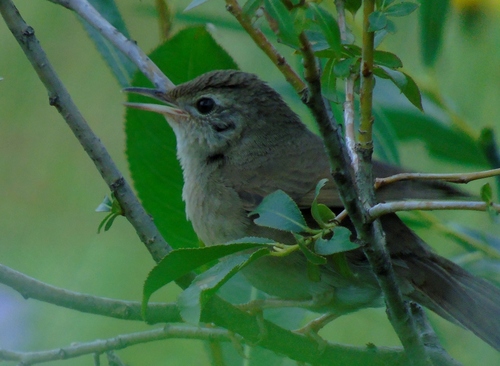
シベリアオウギセッカ (Locustella tacsanowskia) シベリアオウギセッカ
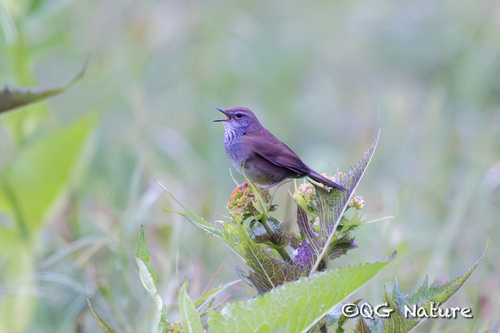
ノドフオウギセッカ (Locustella thoracica) ノドフオウギセッカ

メディア

読み込み中…

要点

シベリアオウギセッカとノドフオウギセッカは非常に似ているLocustellaのセッカで、どちらも小さく、茶色で、秘密主義的であり、サイズや質量において信頼できる違いはありません。繁殖シーズン外や幼鳥を観察する際には、フィールドでの識別が非常に難しいです。最も実用的な区別は地理的なもので、シベリアオウギセッカは東シベリアから南中国で繁殖し、東南アジアで越冬します。一方、ノドフオウギセッカはヒマラヤ、雲南、中央中国に生息または移動します。重複する地域(特に雲南と中国の一部)では、微妙な生息地の好みや文脈に注意が必要で、羽毛や構造は利用可能な情報に基づいてほぼ同一です。

識別のコツ

  1. Geographic range is the most reliable field mark: If you are outside the Himalayas and central China, シベリアオウギセッカ is more likely in the east and southeast, while ノドフオウギセッカ is more likely in the Himalayas and central China. In 雲南 and central China, both may occur, so use additional context.
  2. Habitat context can help in overlap zones: ノドフオウギセッカ is more often found in arboreal forests, while シベリアオウギセッカ may prefer shrubby or open habitats, but this is not absolute.
  3. No size or structure differences: Both species are equally small and slender, with no difference in mass, length, or proportions detectable in the field.
  4. Plumage is not a safe separator: Both are plain brown above and paler below, with similar breast markings. Do not rely on subtle differences in streaking or spotting, as these are not supported by the sources.
  5. No known age-specific flight or wing pattern differences: Juvenile and immature birds cannot be separated by upperwing or tail pattern based on available information.
  6. Behavior is not diagnostic: Both skulk in dense cover and are rarely seen in the open.
  7. Vocalizations are not covered in the sources: If you have a recording, consult local guides or specialized literature, but do not rely on song or call based on the provided notes.
  8. Seasonal context: In winter in Southeast Asia, only シベリアオウギセッカ is expected; in the Himalayas or central China, ノドフオウギセッカ is more likely, but check for overlap.
  9. Do not use bill shape, tail length, or primary projection: No differences are documented between these two species.
  10. If in doubt in an overlap area, record habitat, behavior, and any vocalizations for later expert review.
  11. Quiz pitfalls: Most mix-ups occur in 雲南 and central China, especially with silent, skulking birds in dense cover. Always check the range and habitat first.
  12. If you must guess on a quiz, use location and habitat as your main clues, not plumage.

大きさ

Both species have the same average body mass (11.0 g) [wikidata], and no sources indicate any difference in length, wing, or tail proportions. In the field, they are equally small and slender, with no reliable difference in bulk or jizz.

羽色

No sources provide age-specific or adult plumage differences between シベリアオウギセッカ and ノドフオウギセッカ. Both are described as typical Locustella: plain brown above, paler below, with indistinct streaking or spotting on the breast and flanks. There is no mention of distinctive juvenile or immature upperwing patterns, tail markings, or seasonal variation that could be used for separation. Any subtle differences in breast spotting or tone are not supported by the notes and should not be relied upon.

行動

Both species are secretive skulkers, preferring dense undergrowth and low vegetation. They are more often heard than seen, and both tend to move mouse-like through cover. No behavioral differences are noted in the sources that would help with field identification.

生息環境

シベリアオウギセッカ breeds in the East Palearctic from East Siberia to Tibet and South China, wintering in Northeast India, 雲南, and Southeast Asia [wikipedia]. ノドフオウギセッカ is found in the northern Himalayas, 雲南, and central China, including Bangladesh, Bhutan, India, Myanmar, and Nepal [wikipedia]. Where their ranges overlap (notably 雲南 and parts of China), ノドフオウギセッカ is more associated with arboreal forests, while シベリアオウギセッカ may favor more open or shrubby habitats, but this is not strongly diagnostic. Outside areas of overlap, range is the best clue.

より良い説明を送る

比較と同じ項目を使ってください。文章はすぐに公開されます。

Chinese Bush Warbler and Spotted Bush Warbler are extremely similar Locustella warblers, both small, brown, and secretive, with no reliable differences in size or mass. Field separation is notoriously difficult, especially outside the breeding season or when viewing immatures. The most practical distinction is geographic: Chinese Bush Warbler breeds from East Siberia to South China and winters to Southeast Asia, while Spotted Bush Warbler is resident or migratory in the Himalayas, Yunnan, and central China. In overlapping areas (notably Yunnan and parts of China), careful attention to subtle habitat preference and context is needed, as plumage and structure are nearly identical based on available sources.

  1. Geographic range is the most reliable field mark: If you are outside the Himalayas and central China, Chinese Bush Warbler is more likely in the east and southeast, while Spotted Bush Warbler is more likely in the Himalayas and central China. In Yunnan and central China, both may occur, so use additional context.
  2. Habitat context can help in overlap zones: Spotted Bush Warbler is more often found in arboreal forests, while Chinese Bush Warbler may prefer shrubby or open habitats, but this is not absolute.
  3. No size or structure differences: Both species are equally small and slender, with no difference in mass, length, or proportions detectable in the field.
  4. Plumage is not a safe separator: Both are plain brown above and paler below, with similar breast markings. Do not rely on subtle differences in streaking or spotting, as these are not supported by the sources.
  5. No known age-specific flight or wing pattern differences: Juvenile and immature birds cannot be separated by upperwing or tail pattern based on available information.
  6. Behavior is not diagnostic: Both skulk in dense cover and are rarely seen in the open.
  7. Vocalizations are not covered in the sources: If you have a recording, consult local guides or specialized literature, but do not rely on song or call based on the provided notes.
  8. Seasonal context: In winter in Southeast Asia, only Chinese Bush Warbler is expected; in the Himalayas or central China, Spotted Bush Warbler is more likely, but check for overlap.
  9. Do not use bill shape, tail length, or primary projection: No differences are documented between these two species.
  10. If in doubt in an overlap area, record habitat, behavior, and any vocalizations for later expert review.
  11. Quiz pitfalls: Most mix-ups occur in Yunnan and central China, especially with silent, skulking birds in dense cover. Always check the range and habitat first.
  12. If you must guess on a quiz, use location and habitat as your main clues, not plumage.

Both species have the same average body mass (11.0 g) [wikidata], and no sources indicate any difference in length, wing, or tail proportions. In the field, they are equally small and slender, with no reliable difference in bulk or jizz.

No sources provide age-specific or adult plumage differences between Chinese Bush Warbler and Spotted Bush Warbler. Both are described as typical Locustella: plain brown above, paler below, with indistinct streaking or spotting on the breast and flanks. There is no mention of distinctive juvenile or immature upperwing patterns, tail markings, or seasonal variation that could be used for separation. Any subtle differences in breast spotting or tone are not supported by the notes and should not be relied upon.

Both species are secretive skulkers, preferring dense undergrowth and low vegetation. They are more often heard than seen, and both tend to move mouse-like through cover. No behavioral differences are noted in the sources that would help with field identification.

Chinese Bush Warbler breeds in the East Palearctic from East Siberia to Tibet and South China, wintering in Northeast India, Yunnan, and Southeast Asia [wikipedia]. Spotted Bush Warbler is found in the northern Himalayas, Yunnan, and central China, including Bangladesh, Bhutan, India, Myanmar, and Nepal [wikipedia]. Where their ranges overlap (notably Yunnan and parts of China), Spotted Bush Warbler is more associated with arboreal forests, while Chinese Bush Warbler may favor more open or shrubby habitats, but this is not strongly diagnostic. Outside areas of overlap, range is the best clue.

変更を破棄しますか?

保存していない編集があります。今離れると失われます。

シベリアオウギセッカ · ノドフオウギセッカ · 苦手な鳥