

buff-barred warbler vs chinese leaf warbler
Phylloscopus pulcher versus Phylloscopus yunnanensis
Jogue um quiz com buff-barred warbler e chinese leaf warbler
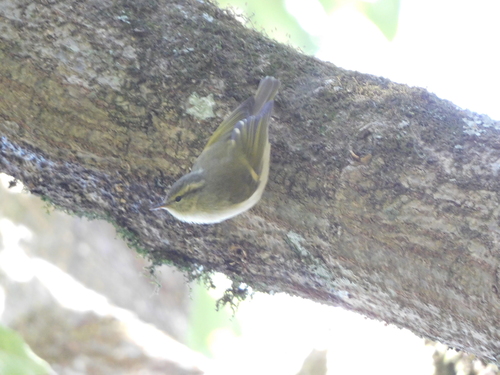 buff-barred warbler
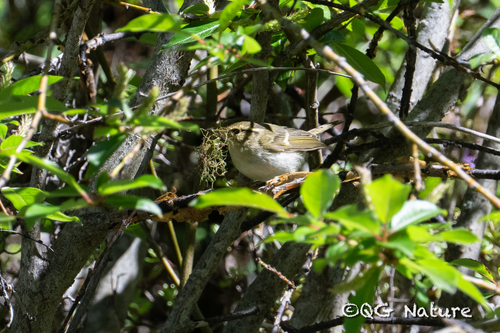 chinese leaf warbler
Em resumo
A separação de campo mais confiável entre buff-barred warbler e chinese leaf warbler é o padrão da cabeça e das partes superiores: chinese leaf warbler apresenta uma sobrancelha pálida marcante, uma faixa mediana da coroa amarelada e partes superiores verde-oliva, enquanto buff-barred warbler não possui essas marcas fortes na cabeça. No campo, chinese leaf warbler parece mais brilhante e mais padronizado na cabeça, enquanto buff-barred warbler é mais simples. Ambos são pequenos warblers folhosos, mas chinese leaf warbler é encontrado apenas na China, enquanto buff-barred warbler tem uma distribuição mais ampla. Diferenças estruturais e sutis pistas de plumagem são fundamentais, especialmente fora da temporada de reprodução, quando as cores podem ser mais apagadas.
Dicas de identificação
- Padrão da cabeça: Chinese leaf warbler apresenta uma sobrancelha pálida bem definida (supercílios), uma faixa mediana da coroa amarelada e faixas laterais da coroa oliva-escuras. Essas marcas são visíveis em todas as plumagens adultas e são as marcas de campo mais confiáveis para separação.
- Cor das partes superiores: Chinese leaf warbler é verde pálido a verde-oliva acima com um rabo amarelado-branco, enquanto buff-barred warbler é mais simples e não possui os tons brilhantes de verde-oliva e o rabo contrastante.
- Anel ocular: Chinese leaf warbler tem um anel ocular quebrado, que pode ser visto de perto; buff-barred warbler não menciona essa característica.
- Padrão das tertiais: Chinese leaf warbler tem tertiais sépia com pontas esbranquiçadas, que podem aparecer como um painel sutil na asa; as tertiais de buff-barred warbler não são descritas como contrastantes.
- Estrutura do bico: Chinese leaf warbler tem um bico curto, pontudo e marrom escuro com a parte inferior amarelada. A cor e a forma do bico podem ajudar de perto, mas são sutis no campo.
- Forma da cauda: Chinese leaf warbler tem uma cauda ligeiramente bifurcada ou entalhada que parece quase quadrada. Isso pode ser visível quando o pássaro abre ou balança a cauda.
- Cor das pernas e pés: Chinese leaf warbler tem pernas e garras muito escuras com partes inferiores de buff escuro; a cor das pernas de buff-barred warbler não é descrita, então isso só é útil se um contraste claro for visto.
- Sazonalidade da plumagem: Chinese leaf warbler é mais brilhante na primavera, mais apagado no final do verão, mas mantém seu padrão de cabeça durante todo o ano. As mudanças sazonais de buff-barred warbler não são descritas, mas é provável que seja menos contrastante no geral.
- Diferenças sexuais: Ambas as espécies são sexualmente monomórficas, então o sexo não ajuda na separação.
- Diferenças de idade: Nenhuma marca de asa ou voo específica para juvenis ou imaturos é descrita para qualquer uma das espécies, então a idade não é um separador chave.
- Distribuição: Fora da China, qualquer Phylloscopus semelhante é quase certamente buff-barred warbler. Dentro da China, ambas são possíveis, então confie na plumagem e no padrão da cabeça.
- Habitat: Na China, chinese leaf warbler prefere florestas secas e alta-altitude arbustos. Buff-barred warbler pode ser encontrado em uma gama mais ampla de habitats, mas o habitat sozinho não é diagnóstico.
- Comportamento: Ambas as espécies são ativas na folhagem e mostram comportamento típico de warblers folhosos; nenhuma pista comportamental separa-as de forma confiável.
- Vocalização: Nenhuma diferença vocal diagnóstica é fornecida nas fontes, então não confie em canções ou chamados para separação.
- Armadilhas: Em luz fraca ou plumagem desgastada, o padrão da cabeça de chinese leaf warbler pode parecer menos óbvio, mas mesmo assim, a sobrancelha pálida e as faixas da coroa devem ser procuradas. Buff-barred warbler pode parecer ainda mais simples, sem esses contrastes faciais.
Tamanho
Buff-barred warbler tem uma massa corporal registrada de 6.8g [wikidata], enquanto a massa de chinese leaf warbler não é especificada, mas ambos são pequenos warblers folhosos e compactos. Chinese leaf warbler é descrito como tendo cerca de 10 cm de comprimento com uma asa de 5–6 cm, e ambas as espécies são semelhantes em tamanho geral e aparência, então o tamanho sozinho não é um separador confiável no campo.
Plumagem
Nenhuma diferença específica de padrão de asa ou voo relacionada à idade é documentada entre essas duas espécies. Para adultos na primavera, chinese leaf warbler é pálido a verde-oliva acima com um rabo amarelado-branco, uma sobrancelha pálida bem marcada, uma faixa mediana da coroa amarelada e faixas laterais da coroa oliva-escuras. Suas tertiais são sépia com pontas esbranquiçadas, e ele tem um anel ocular quebrado. Buff-barred warbler não menciona esses padrões fortes na cabeça e nas partes superiores, sugerindo uma aparência mais simples. O desgaste sazonal apaga a plumagem de chinese leaf warbler no verão, mas o padrão da cabeça permanece uma marca chave. Ambos os sexos são semelhantes em chinese leaf warbler; nenhum dimorfismo sexual é notado para buff-barred warbler.
Comportamento
Ambas as espécies são warblers folhosos típicos, provavelmente ativas e ágeis na folhagem, mas nenhuma diferença comportamental diagnóstica é descrita nas fontes.
Habitat
Buff-barred warbler tem uma ampla gama nos Himalaias e no Sudeste Asiático (Butão, China, Índia, Laos, Mianmar, Nepal, Tailândia, Vietnã), enquanto chinese leaf warbler é endêmico da China. Chinese leaf warbler prefere florestas secas subtropicais ou tropicais e arbustos de alta altitude. A sobreposição é possível na China, mas o contexto fora da China favorece fortemente buff-barred warbler. Dentro da China, o tipo de habitat e a altitude podem fornecer pistas sutis, mas não são definitivas por si só.
buff-barred warbler · chinese leaf warbler · Minhas aves difíceis