

Buff-barred Warbler vs Chinese Leaf Warbler
Phylloscopus pulcher contro Phylloscopus yunnanensis
Fai un quiz con Buff-barred Warbler e Chinese Leaf Warbler
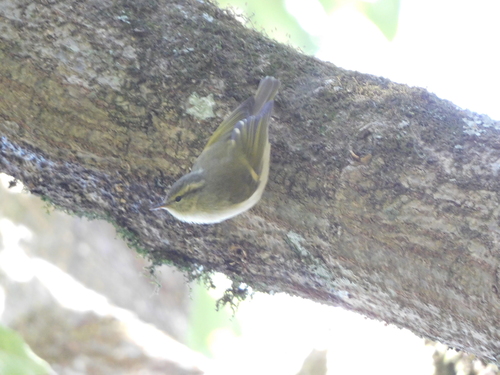 Buff-barred Warbler
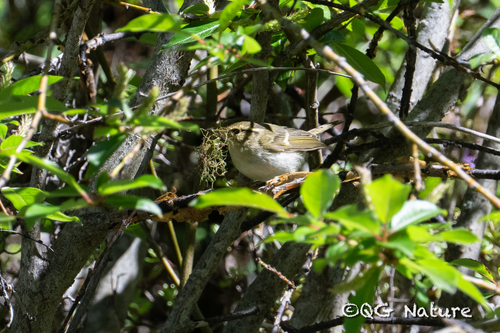 Chinese Leaf Warbler
In breve
La separazione sul campo più affidabile tra Buff-barred Warbler e Chinese Leaf Warbler è il motivo della testa e delle parti superiori: il Chinese Leaf Warbler mostra un sopracciglio pallido e marcato, una debole striscia coronale mediana gialla e parti superiori verde oliva, mentre il Buff-barred Warbler manca di questi forti segni distintivi sulla testa. Sul campo, il Chinese Leaf Warbler appare più luminoso e più decorato sulla testa, mentre il Buff-barred Warbler è più semplice. Entrambi sono piccoli warbler delle foglie, ma il Chinese Leaf Warbler si trova solo in Cina, mentre il Buff-barred Warbler ha una distribuzione più ampia. Differenze strutturali e sottili indizi di piumaggio sono fondamentali, specialmente al di fuori della stagione riproduttiva quando i colori possono essere più opachi.
Consigli di identificazione
- Motivo della testa: il Chinese Leaf Warbler mostra un sopracciglio pallido ben definito (supercilium), una debole striscia coronale mediana gialla e strisce coronali laterali olivastre. Questi segni sono visibili in tutti i piumaggi adulti e sono i segni sul campo più affidabili per la separazione.
- Colore delle parti superiori: il Chinese Leaf Warbler è verde pallido fino a verde oliva sopra con un sottocoda giallo-bianco, mentre il Buff-barred Warbler è più semplice e manca delle tonalità verde oliva brillanti e del sottocoda contrastante.
- Anello oculare: il Chinese Leaf Warbler ha un anello oculare spezzato, che può essere visto da vicino; il Buff-barred Warbler non menziona questa caratteristica.
- Motivo delle terziali: il Chinese Leaf Warbler ha terziali seppia con punte bianche, che possono apparire come un sottile pannello alare; le terziali del Buff-barred Warbler non sono descritte come contrastanti.
- Struttura del becco: il Chinese Leaf Warbler ha un becco corto, appuntito e marrone scuro con un lato inferiore giallo-bruno. Il colore e la forma del becco possono aiutare da vicino, ma sono sottili sul campo.
- Forma della coda: il Chinese Leaf Warbler ha una coda leggermente biforcuta o intagliata che appare quasi quadrata. Questo può essere visibile quando l'uccello apre o agita la coda.
- Colore delle gambe e dei piedi: il Chinese Leaf Warbler ha gambe e artigli molto scuri con lati inferiori bruno-rossicci; il colore delle gambe del Buff-barred Warbler non è descritto, quindi questo è utile solo se si vede un chiaro contrasto.
- Stagionalità del piumaggio: il Chinese Leaf Warbler è più luminoso in primavera, più opaco alla fine dell'estate, ma mantiene il suo motivo della testa tutto l'anno. I cambiamenti stagionali del Buff-barred Warbler non sono descritti, ma è probabile che sia complessivamente meno contrastante.
- Differenze sessuali: entrambe le specie sono sessualmente monomorfiche, quindi il sesso non aiuta nella separazione.
- Differenze di età: non sono descritti segni specifici di ali o volo per giovani o immaturi per nessuna delle due specie, quindi l'età non è un separatore chiave.
- Distribuzione: al di fuori della Cina, qualsiasi Phylloscopus simile è quasi certamente il Buff-barred Warbler. All'interno della Cina, entrambe le specie sono possibili, quindi fare affidamento sul piumaggio e sul motivo della testa.
- Habitat: in Cina, il Chinese Leaf Warbler preferisce foreste secche e arbusteti ad alta quota. Il Buff-barred Warbler può essere trovato in una gamma più ampia di habitat, ma l'habitat da solo non è diagnostico.
- Comportamento: entrambe le specie sono attive nel fogliame e mostrano un comportamento tipico dei warbler delle foglie; nessun indizio comportamentale le separa in modo affidabile.
- Vocalizzazione: non sono fornite differenze vocali diagnostiche nelle fonti, quindi non fare affidamento su canto o richiamo per la separazione.
- Insidie: in luce fioca o piumaggio usurato, il motivo della testa del Chinese Leaf Warbler può apparire meno ovvio, ma anche in quel caso, il sopracciglio pallido e le strisce coronali dovrebbero essere cercati. Il Buff-barred Warbler può apparire ancora più semplice, mancando di questi contrasti facciali.
Taglia
Il Buff-barred Warbler ha una massa corporea registrata di 6.8g [wikidata], mentre la massa del Chinese Leaf Warbler non è specificata, ma entrambi sono piccoli warbler delle foglie compatti. Il Chinese Leaf Warbler è descritto come lungo circa 10 cm con un'ala di 5–6 cm, e entrambe le specie sono simili in dimensioni complessive e aspetto, quindi la dimensione da sola non è un separatore affidabile sul campo.
Piumaggio
Non sono documentate differenze specifiche di piumaggio o di volo per età tra queste due specie. Per gli adulti in primavera, il Chinese Leaf Warbler è pallido fino a verde oliva sopra con un sottocoda giallo-bianco, un sopracciglio pallido ben marcato, una debole striscia coronale mediana gialla e strisce coronali laterali olivastre. Le sue terziali sono seppia con punte bianche e ha un anello oculare spezzato. Il Buff-barred Warbler non menziona questi forti motivi della testa e delle parti superiori, suggerendo un aspetto più semplice. L'usura stagionale opacizza il piumaggio del Chinese Leaf Warbler in estate, ma il motivo della testa rimane un segno chiave. Entrambi i sessi sono simili nel Chinese Leaf Warbler; non è notato dimorfismo sessuale per il Buff-barred Warbler.
Comportamento
Entrambe le specie sono tipici warbler delle foglie, probabilmente attivi e agili nel fogliame, ma non sono descritte differenze comportamentali diagnostiche nelle fonti.
Habitat
Il Buff-barred Warbler ha una vasta gamma attraverso l'Himalaya e il Sud-est asiatico (Bhutan, Cina, India, Laos, Myanmar, Nepal, Thailandia, Vietnam), mentre il Chinese Leaf Warbler è endemico della Cina. Il Chinese Leaf Warbler preferisce foreste secche subtropicali o tropicali e arbusteti ad alta quota. L'overlap è possibile in Cina, ma il contesto al di fuori della Cina favorisce fortemente il Buff-barred Warbler. All'interno della Cina, il tipo di habitat e l'altitudine possono fornire indizi sottili, ma non sono definitivi da soli.
Buff-barred Warbler · Chinese Leaf Warbler · I miei uccelli difficili