

brown-breasted flycatcher vs brown-chested jungle flycatcher
Muscicapa muttui versus Cyornis brunneatus
Jogue um quiz com brown-breasted flycatcher e brown-chested jungle flycatcher
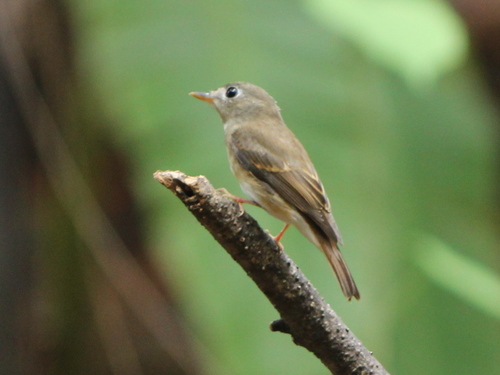 brown-breasted flycatcher
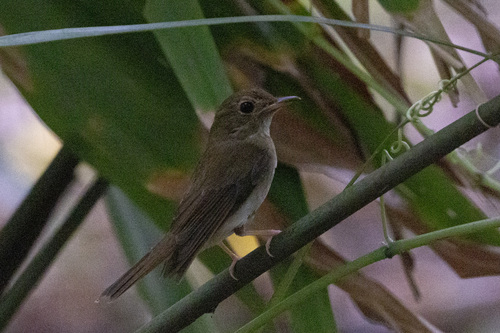 brown-chested jungle flycatcher
Em resumo
A marca de campo mais confiável para separar brown-breasted flycatcher de brown-chested jungle flycatcher é a cor das pernas: brown-breasted flycatcher tem pernas de cor carne distintamente pálidas, enquanto brown-chested jungle flycatcher tem pernas escuras. Brown-breasted flycatcher também é visivelmente menor e mais leve, com uma aparência mais compacta. Na plumagem, brown-breasted flycatcher apresenta um peito marrom pálido contrastando com uma barriga branca amarelada e um anel ocular pálido conspícuo, enquanto brown-chested jungle flycatcher tende a ter um peito marrom mais rico e menos contraste abaixo. Ambas as espécies podem parecer semelhantes no geral, mas a atenção cuidadosa à cor das pernas, tamanho e detalhes sutis da plumagem geralmente resolverão a confusão, especialmente em aves empoleiradas.
Dicas de identificação
- A cor das pernas é a marca mais decisiva: Brown-breasted flycatcher tem pernas de cor carne pálida, enquanto brown-chested jungle flycatcher tem pernas escuras. Isso é visível em aves empoleiradas e é confiável em todas as idades e estações.
- Tamanho e estrutura: Brown-breasted flycatcher é menor e mais leve (12 g vs 18 g), aparecendo mais compacto e delicado. Brown-chested jungle flycatcher é mais robusto e volumoso. Use isso quando você tiver uma boa noção de escala ou com experiência.
- Padrão facial: Brown-breasted flycatcher apresenta um anel ocular pálido conspícuo e lore pálido, dando uma expressão facial mais marcada. Brown-chested jungle flycatcher tem um rosto mais simples, com menos contraste e um anel ocular menos distinto.
- Contraste das partes inferiores: Brown-breasted flycatcher tem um queixo e uma garganta brancos, peito marrom pálido e barriga branca amarelada, com uma transição sutil, mas perceptível. Brown-chested jungle flycatcher tem um peito marrom mais rico, com menos contraste entre o peito e a barriga.
- Destaques ruivos: Procure por ruivo nas coberturas superiores da cauda, nas bordas das penas de voo e nas penas externas da cauda em brown-breasted flycatcher. Brown-chested jungle flycatcher não apresenta esses tons ruivos e parece mais uniformemente marrom acima e na cauda.
- Listras submoustaciais: Brown-breasted flycatcher apresenta listras submoustaciais fracas marcando o limite do queixo pálido, o que pode ajudar em vistas próximas. Brown-chested jungle flycatcher não possui esse recurso.
- Bico e partes nuas: Ambas as espécies têm estrutura de bico semelhante, mas a mandíbula inferior de brown-breasted flycatcher é pálida, combinando com a cor das pernas. Brown-chested jungle flycatcher não apresenta esse contraste.
- Voz: Se você ouvir um 'tseet' muito fraco ou uma série de 'chi-chi-chi-chi' terminando com 'chit-chit' a curta distância, isso indica brown-breasted flycatcher. A voz de brown-chested jungle flycatcher não é descrita aqui.
- Contexto de habitat: Em manguezais ou florestas de planície na Península Malaia, brown-chested jungle flycatcher é mais provável. No sul da Índia ou no Sri Lanka, espera-se encontrar brown-breasted flycatcher. A sobreposição é possível no sul da China durante a época de reprodução.
- Comportamento: Ambas as espécies são discretas e forrageiam baixo, então o comportamento não é um separador forte, mas brown-breasted flycatcher pode ser visto um pouco mais alto nas camadas da floresta.
- Sem marcas específicas de idade nas asas ou padrões de voo: Nenhuma das espécies apresenta padrões distintivos de asas superiores juvenis ou imaturas nas notas disponíveis, então confie em vistas empoleiradas e detalhes da plumagem.
- Contexto sazonal: Se observado no inverno no sul da Índia ou no Sri Lanka, é brown-breasted flycatcher. No inverno na Península Malaia, é brown-chested jungle flycatcher.
- Armadilhas: Cuidado com a iluminação fraca, que pode obscurecer a cor das pernas e os sutis tons ruivos. Sempre tente confirmar a cor das pernas e o padrão facial em boa luz.
- Quando em dúvida: Se a cor das pernas não for visível, use uma combinação de tamanho, padrão facial e contraste das partes inferiores, mas tenha cuidado, pois a sobreposição na coloração marrom geral pode ser enganosa.
Tamanho
Brown-breasted flycatcher é significativamente menor e mais leve (12,0 g) em comparação com brown-chested jungle flycatcher (18,0 g). No campo, brown-breasted flycatcher parece mais compacto e delicado, enquanto brown-chested jungle flycatcher é mais robusto e volumoso. Essa diferença de tamanho é frequentemente aparente quando vistos lado a lado ou com experiência, mas pode ser sutil se apenas um pássaro estiver presente.
Plumagem
Nenhuma diferença de padrões de asas superiores ou de voo específicas de idade está documentada para essas espécies. Para adultos e imaturos, brown-breasted flycatcher tem partes superiores marrom-oliva com ruivo mais brilhante nas coberturas superiores da cauda e nas bordas das penas de voo, e ruivo nas penas externas das penas da cauda. As partes inferiores mostram um queixo e uma garganta brancos, peito marrom pálido e barriga branca amarelada, com um anel ocular pálido conspícuo e listras submoustaciais fracas. Brown-chested jungle flycatcher, em contraste, tem um peito marrom mais rico com menos contraste entre o peito e a barriga, e não possui o forte anel ocular pálido e os destaques ruivos na cauda. As lores de brown-breasted flycatcher são pálidas, acentuando ainda mais o padrão facial, enquanto brown-chested jungle flycatcher geralmente parece ter um rosto mais simples.
Comportamento
Brown-breasted flycatcher forrageia por insetos abaixo do dossel da floresta, frequentemente próximo ao chão da floresta, e é geralmente discreto. Brown-chested jungle flycatcher também é um espreitador de vegetação densa em florestas de planície úmidas e manguezais. Ambas as espécies podem ser secretivas e são mais frequentemente vistas empoleiradas quietamente, tornando as diferenças comportamentais sutis e não fortemente diagnósticas.
Habitat
Brown-breasted flycatcher se reproduz no nordeste da Índia, centro e sul da China, norte da Birmânia e Tailândia, invernando no sul da Índia e no Sri Lanka. Prefere habitats florestais, especialmente abaixo do dossel. Brown-chested jungle flycatcher se reproduz no sul da China e inverna na Península Malaia, preferindo florestas úmidas subtropicais ou tropicais de planície e manguezais. A sobreposição é possível no sul da China durante a época de reprodução, mas as áreas de invernada e os habitats preferidos diferem, com brown-chested jungle flycatcher mais intimamente ligado a manguezais e florestas de planície.
Voz
O chamado de brown-breasted flycatcher é um 'tseet' muito fraco, audível apenas a curta distância, ou uma série de notas 'chi-chi-chi-chi' terminando com um 'chit-chit' baixo. Nenhum detalhe de vocalização está disponível para brown-chested jungle flycatcher nas notas fornecidas, então a voz não é um separador de campo confiável, a menos que os chamados fracos de brown-breasted sejam ouvidos a curta distância.
brown-breasted flycatcher · brown-chested jungle flycatcher · Minhas aves difíceis