

Brown-breasted Flycatcher vs Brown-chested Jungle Flycatcher
Muscicapa muttui contro Cyornis brunneatus
Fai un quiz con Brown-breasted Flycatcher e Brown-chested Jungle Flycatcher
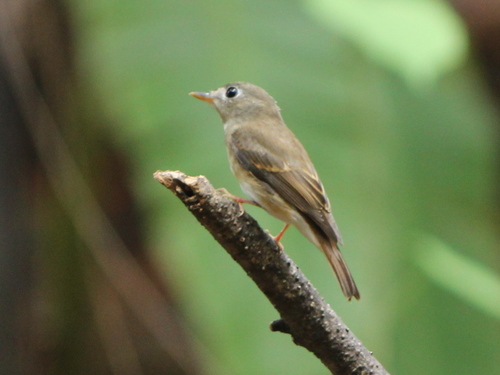 Brown-breasted Flycatcher
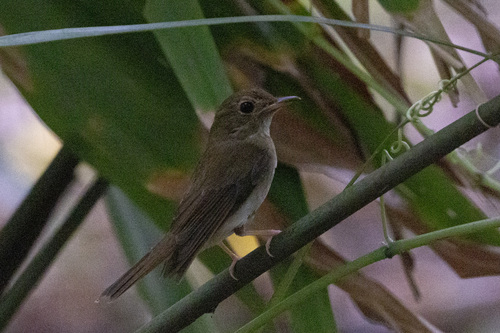 Brown-chested Jungle Flycatcher
In breve
Il segno di campo più affidabile per separare il Brown-breasted Flycatcher dal Brown-chested Jungle Flycatcher è il colore delle gambe: il Brown-breasted Flycatcher ha gambe di un colore carne chiaramente pallido, mentre il Brown-chested Jungle Flycatcher ha gambe scure. Il Brown-breasted Flycatcher è anche notevolmente più piccolo e leggero, con un aspetto più compatto. Nel piumaggio, il Brown-breasted Flycatcher mostra un petto marrone chiaro che contrasta con un ventre bianco buffo e un anello oculare pallido e conspicuo, mentre il Brown-chested Jungle Flycatcher tende ad avere un petto marrone più ricco e meno contrasto sotto. Entrambe le specie possono apparire simili nel complesso, ma un'attenta attenzione al colore delle gambe, alla dimensione e ai dettagli sottili del piumaggio risolverà solitamente la confusione, specialmente negli uccelli posati.
Consigli di identificazione
- Il colore delle gambe è il segno più decisivo: il Brown-breasted Flycatcher ha gambe di un colore carne pallido, mentre il Brown-chested Jungle Flycatcher ha gambe scure. Questo è visibile negli uccelli posati ed è affidabile in tutte le età e stagioni.
- Dimensione e struttura: il Brown-breasted Flycatcher è più piccolo e leggero (12 g contro 18 g), apparendo più compatto e delicato. Il Brown-chested Jungle Flycatcher è più massiccio e robusto. Usa questo quando hai una buona percezione della scala o con esperienza.
- Schema facciale: il Brown-breasted Flycatcher mostra un anello oculare pallido e conspicuo e lore pallidi, dando un'espressione facciale più marcata. Il Brown-chested Jungle Flycatcher ha un volto più semplice con meno contrasto e un anello oculare meno distintivo.
- Contrasto delle parti inferiori: il Brown-breasted Flycatcher ha un mento e una gola bianchi, un petto marrone chiaro e un ventre bianco buffo, con una transizione sottile ma evidente. Il Brown-chested Jungle Flycatcher ha un petto marrone più ricco con meno contrasto tra petto e ventre.
- Riflessi rufous: cerca il rufous sulle copritrici superiori della coda, sui bordi delle piume di volo e sulle web esterne delle piume della coda nel Brown-breasted Flycatcher. Il Brown-chested Jungle Flycatcher manca di questi toni rufous e appare più uniformemente marrone sopra e sulla coda.
- Strisce submoustachiali: il Brown-breasted Flycatcher mostra deboli strisce submoustachiali che segnano il confine del mento pallido, il che può aiutare nelle viste ravvicinate. Il Brown-chested Jungle Flycatcher manca di questa caratteristica.
- Becco e parti nude: entrambe le specie hanno una struttura del becco simile, ma la mandibola inferiore del Brown-breasted Flycatcher è pallida, corrispondente al colore delle gambe. Il Brown-chested Jungle Flycatcher non mostra questo contrasto.
- Voce: se senti un molto debole 'tseet' o una serie di 'chi-chi-chi-chi' che terminano con 'chit-chit' a distanza ravvicinata, supporta il Brown-breasted Flycatcher. La voce del Brown-chested Jungle Flycatcher non è descritta qui.
- Contesto dell'habitat: nella foresta di mangrovie o nella foresta di pianura nella Penisola Malese, è più probabile il Brown-chested Jungle Flycatcher. Nel sud dell'India o nello Sri Lanka, ci si aspetta il Brown-breasted Flycatcher. L'overlap è possibile nel sud della Cina durante la stagione riproduttiva.
- Comportamento: entrambe le specie sono poco appariscenti e cercano cibo in basso, quindi il comportamento non è un forte separatore, ma il Brown-breasted Flycatcher può essere visto leggermente più in alto negli strati forestali.
- Nessun segno specifico per età sulle ali o sul volo: nessuna delle due specie mostra schemi distintivi di ali superiori giovanili o immaturi nelle note disponibili, quindi fai affidamento sulle viste posate e sui dettagli del piumaggio.
- Contesto stagionale: se osservato in inverno nel sud dell'India o nello Sri Lanka, è il Brown-breasted Flycatcher. In inverno nella Penisola Malese, è il Brown-chested Jungle Flycatcher.
- Trappole: fai attenzione all'illuminazione fioca, che può oscurare il colore delle gambe e i sottili toni rufous. Cerca sempre di confermare il colore delle gambe e il modello facciale in buona luce.
- Quando hai dubbi: se il colore delle gambe non è visibile, usa una combinazione di dimensione, modello facciale e contrasto delle parti inferiori, ma fai attenzione poiché l'overlap nella colorazione marrone generale può essere fuorviante.
Taglia
Il Brown-breasted Flycatcher è significativamente più piccolo e leggero (12,0 g) rispetto al Brown-chested Jungle Flycatcher (18,0 g). Sul campo, il Brown-breasted Flycatcher appare più compatto e delicato, mentre il Brown-chested Jungle Flycatcher è più massiccio e robusto. Questa differenza di dimensione è spesso evidente quando visti fianco a fianco o con esperienza, ma può essere sottile se è presente solo un uccello.
Piumaggio
Nessuna differenza specifica per età nei pattern delle ali superiori o nel volo è documentata per queste specie. Per adulti e immaturi, il Brown-breasted Flycatcher ha parti superiori marrone oliva con un rufous più brillante sulle copritrici superiori della coda e sui bordi delle piume di volo, e rufous sulle web esterne delle piume della coda. Le parti inferiori mostrano un mento e una gola bianchi, un petto marrone chiaro e un ventre bianco buffo, con un anello oculare pallido e conspicuo e deboli strisce submoustachiali. Il Brown-chested Jungle Flycatcher, al contrario, ha un petto marrone più ricco con meno contrasto tra petto e ventre, e manca del forte anello oculare pallido e dei riflessi rufous sulla coda. Le lore del Brown-breasted Flycatcher sono pallide, accentuando ulteriormente il modello facciale, mentre il Brown-chested Jungle Flycatcher appare tipicamente con un volto più semplice.
Comportamento
Il Brown-breasted Flycatcher cerca insetti sotto il canopeo della foresta, spesso vicino al suolo della foresta, ed è generalmente poco appariscente. Il Brown-chested Jungle Flycatcher è anche un furtivo della densa vegetazione in foreste umide di pianura e mangrovie. Entrambe le specie possono essere segrete e sono più spesso viste posate in silenzio, rendendo le differenze comportamentali sottili e non fortemente diagnostiche.
Habitat
Il Brown-breasted Flycatcher nidifica nel nord-est dell'India, nella Cina centrale e meridionale, nel nord della Birmania e in Thailandia, svernando nel sud dell'India e nello Sri Lanka. Favorisce habitat forestali, specialmente sotto il canopeo. Il Brown-chested Jungle Flycatcher nidifica nel sud della Cina e sverna nella Penisola Malese, preferendo foreste umide subtropicali o tropicali di pianura e mangrovie. L'overlap è possibile nel sud della Cina durante la stagione riproduttiva, ma gli areali di svernamento e gli habitat preferiti differiscono, con il Brown-chested Jungle Flycatcher più strettamente legato alle mangrovie e alla foresta di pianura.
Voce
Il richiamo del Brown-breasted Flycatcher è un molto debole 'tseet' udibile solo a distanza ravvicinata, o una serie di note 'chi-chi-chi-chi' che terminano con un basso 'chit-chit.' Nessun dettaglio di vocalizzazione è disponibile per il Brown-chested Jungle Flycatcher nelle note fornite, quindi la voce non è un separatore di campo affidabile a meno che i deboli richiami del Brown-breasted non siano uditi a distanza ravvicinata.
Brown-breasted Flycatcher · Brown-chested Jungle Flycatcher · I miei uccelli difficili