

brown accentor vs ferreirinha-de-garganta-preta
Prunella fulvescens versus Prunella atrogularis
Jogue um quiz com brown accentor e ferreirinha-de-garganta-preta
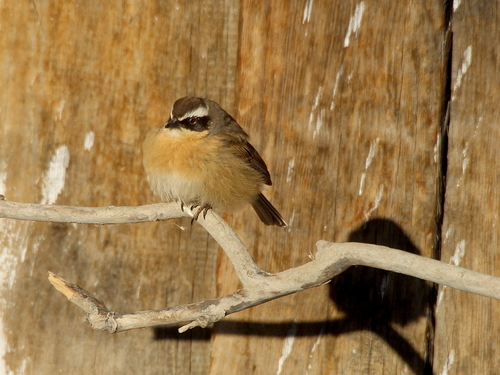 brown accentor
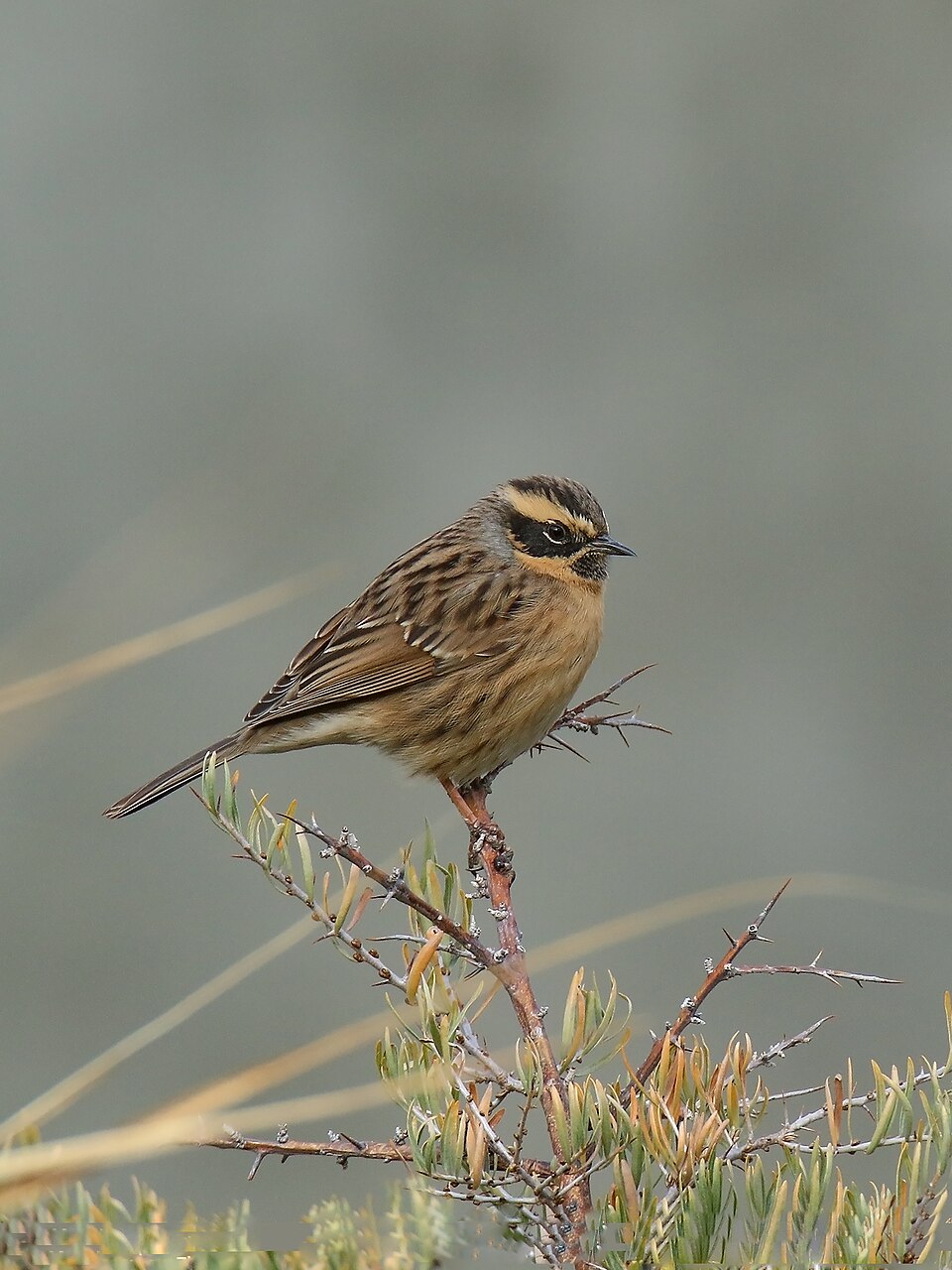 ferreirinha-de-garganta-preta
Em resumo
A maneira mais confiável de separar a ferreirinha-de-garganta-preta da brown accentor é pelo padrão da cabeça e pela cor das partes inferiores: a brown accentor apresenta um supercílio branco largo (especialmente atrás do olho), uma máscara e coberturas auriculares marrom-escuro, e peito e barriga amarelados, enquanto a ferreirinha-de-garganta-preta tem uma coroa preta, uma mancha facial e garganta pretas, com um supercílio branco, peito laranja e barriga branca com listras laranjas. Juvenis de ferreirinha-de-garganta-preta podem não ter a garganta escura, tornando-os menos contrastantes, mas suas listras laranjas no peito e na barriga permanecem distintas. Ambas as espécies são semelhantes em tamanho e forma, mas a atenção cuidadosa à coloração do rosto e das partes inferiores geralmente confirmará a identificação. A sobreposição de habitat é possível, mas a ferreirinha-de-garganta-preta é mais estritamente montanosa e migratória.
Dicas de identificação
- Forma e largura do supercílio: A brown accentor apresenta um supercílio branco largo, especialmente largo atrás do olho, enquanto o supercílio da ferreirinha-de-garganta-preta é mais estreito e mais uniforme. Esta é uma marca-chave em todas as plumagens.
- Máscara e coberturas auriculares: A brown accentor tem uma máscara e coberturas auriculares marrom-escuro, dando ao rosto uma aparência mascarada; a ferreirinha-de-garganta-preta tem uma mancha facial preta, mas é mais extensa, incluindo a coroa e a garganta em adultos.
- Cor da coroa: Adultos de ferreirinha-de-garganta-preta têm uma coroa preta, contrastando com o resto da cabeça; a brown accentor não possui essa característica, com uma coroa mais simples.
- Mancha na garganta: A ferreirinha-de-garganta-preta adulta tem uma garganta preta bem definida; em juvenis e aves de inverno, isso pode ser fraco ou ausente, mas a brown accentor nunca apresenta uma garganta preta.
- Cor do peito e da barriga: A brown accentor sempre tem tons amarelados no peito e na barriga; a ferreirinha-de-garganta-preta apresenta um peito laranja rico e uma barriga branca com listras laranjas (adultos e imaturos).
- Listras na barriga: A ferreirinha-de-garganta-preta tem listras laranjas na barriga branca, que a brown accentor não possui.
- Padrão das costas: A ferreirinha-de-garganta-preta tem um dorso marrom-escuro listrado, um pouco semelhante a um pardal; as costas da brown accentor são menos listradas e mais uniformes.
- Forma do bico: Ambas têm bicos finos e pontudos; não é um separador.
- Tamanho: Ambas são semelhantes em tamanho, mas machos de brown accentor podem ser ligeiramente maiores; isso não é útil em campo.
- Diferenças sexuais: Ambas as espécies são sexualmente semelhantes em plumagem; machos de brown accentor são ligeiramente maiores, mas isso não é visualmente óbvio.
- Confusão juvenil: Juvenis de ferreirinha-de-garganta-preta podem não ter uma garganta preta forte, mas as listras laranjas no peito e na barriga ainda estão presentes; juvenis de brown accentor mantêm partes inferiores amareladas e não têm listras.
- Contexto de habitat: Se em habitat montanoso, conífero ou rochoso, a ferreirinha-de-garganta-preta é mais provável; em vegetação arbustiva mais ampla ou do tipo mediterrâneo, a brown accentor é mais provável, mas a sobreposição ocorre.
- Voz: Apenas o canto e a chamada da ferreirinha-de-garganta-preta são descritos; se você ouvir um fino 'ti-ti-ti' ou um chilrear semelhante ao da ferreirinha, suspeite da ferreirinha-de-garganta-preta.
- Visões de voo: Nenhuma diferença distinta de padrão de asa superior ou de voo é descrita para qualquer uma das espécies; confie na cor da cabeça e das partes inferiores mesmo em voo.
- Estação: A ferreirinha-de-garganta-preta é migratória e pode aparecer fora da área de reprodução no inverno; a brown accentor é mais residente, mas ambas podem ocorrer juntas em algumas regiões.
Tamanho
Ambas as espécies são semelhantes em tamanho e estrutura geral, sendo pequenas e semelhantes a ferreirinhas. A ferreirinha-de-garganta-preta é especificamente descrita como tendo 13,5–14 cm de comprimento, o que é típico para o grupo. Machos de brown accentor são notados como ligeiramente maiores que as fêmeas, mas essa diferença é sutil e não é uma marca prática de campo. A forma do bico é fina e pontuda em ambas, adaptada para a alimentação de insetos. O tamanho sozinho não é um separador confiável.
Plumagem
Juvenis e ferreirinhas-de-garganta-preta de inverno podem ser confusos, pois sua mancha escura na garganta pode ser fraca ou ausente, mas ainda mostram um peito laranja e uma barriga branca com listras laranjas. A brown accentor, em todas as plumagens, tem um peito e barriga amarelados, sem os tons laranjas e listras da ferreirinha-de-garganta-preta. O padrão da cabeça é a chave: a brown accentor tem um supercílio branco largo (mais largo atrás do olho), com uma máscara e coberturas auriculares marrom-escuro, enquanto a ferreirinha-de-garganta-preta tem uma coroa preta, mancha facial e garganta (em adultos), com um supercílio branco. As costas da ferreirinha-de-garganta-preta são listradas de marrom-escuro, assemelhando-se a um pardal, enquanto as costas da brown accentor são menos distintamente descritas, mas não são notadas como fortemente listradas. Os sexos são semelhantes em ambas, mas machos de brown accentor são ligeiramente maiores. Nenhuma diferença distinta de padrão de asa superior ou de voo é descrita para qualquer uma das espécies.
Comportamento
Ambas as espécies se comportam muito como outros accentores: geralmente são discretas, forrageando baixo em habitats arbustivos ou rochosos, e podem ser vistas empoleiradas ou pulando no chão. Nenhuma diferença comportamental é destacada nas notas que separaria de forma confiável no campo.
Habitat
A sobreposição de habitat é possível, especialmente em áreas de invernada no Afeganistão e regiões vizinhas. A brown accentor é encontrada em uma gama mais ampla, incluindo vegetação arbustiva do tipo mediterrâneo em toda a Ásia Central, enquanto a ferreirinha-de-garganta-preta está mais estritamente associada a habitats montanhosos (Ural, Tian Shan, Montanhas Altai) e é migratória, movendo-se para altitudes mais baixas ou mais ao sul no inverno. Em áreas onde ambas ocorrem, o contexto pode ajudar, mas não é diagnóstico.
Voz
A chamada da ferreirinha-de-garganta-preta é um fino 'ti-ti-ti', e seu canto é um agradável chilrear semelhante ao da ferreirinha. Nenhuma descrição vocal é fornecida para a brown accentor, então a voz não é um separador confiável, a menos que a ferreirinha-de-garganta-preta esteja cantando.
brown accentor · ferreirinha-de-garganta-preta · Minhas aves difíceis