

Motmot

ウスヤマヒバリ 対 ノドグロイワヒバリ

Prunella fulvescens 対 Prunella atrogularis

ウスヤマヒバリとノドグロイワヒバリのクイズ
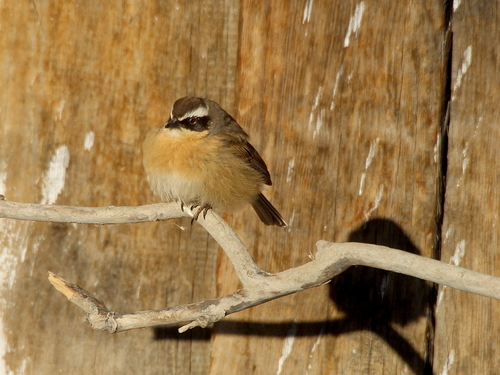
ウスヤマヒバリ (Prunella fulvescens) ウスヤマヒバリ
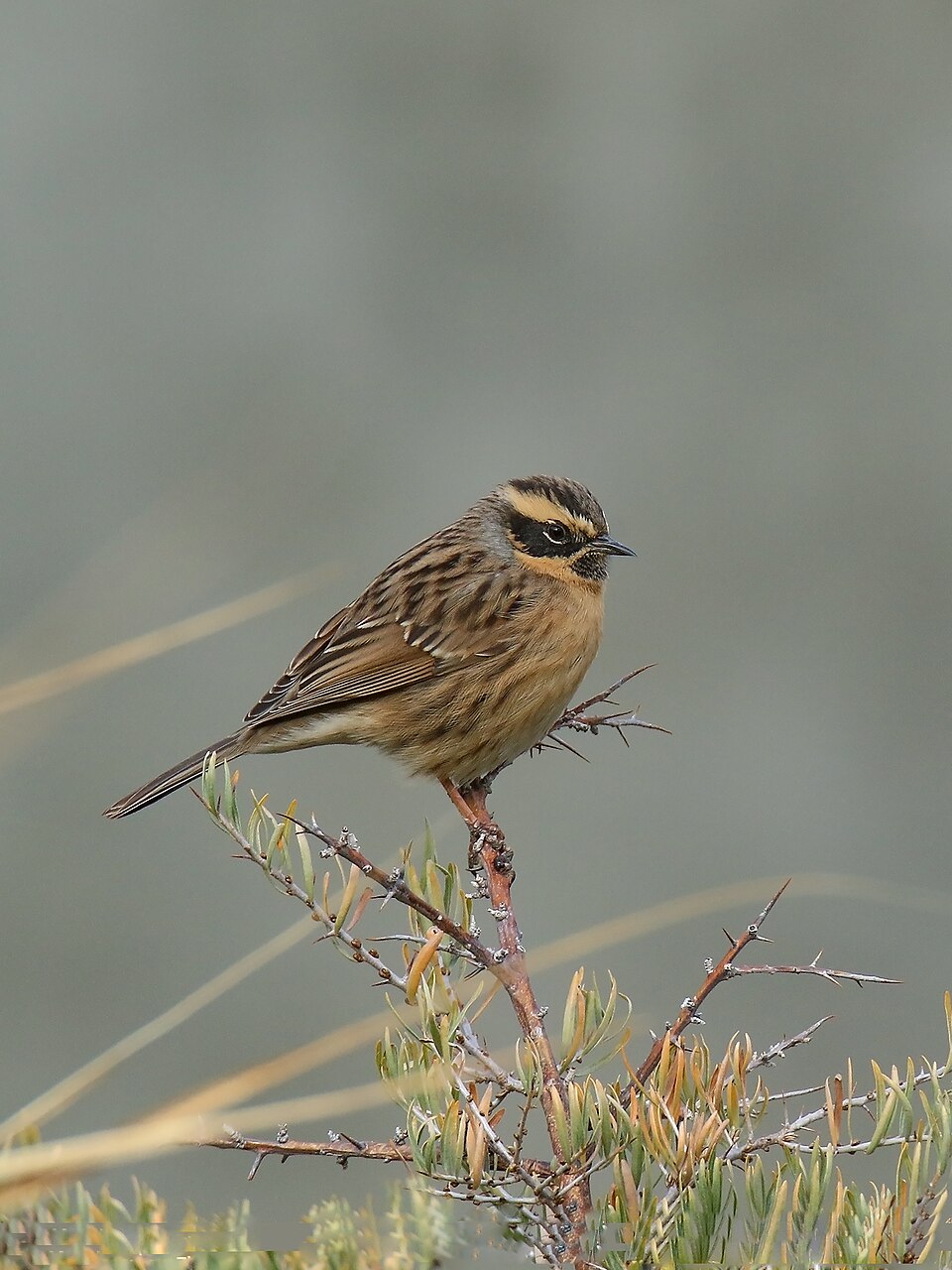
ノドグロイワヒバリ (Prunella atrogularis) ノドグロイワヒバリ

メディア

読み込み中…

要点

ブラウンアクセントールとノドグロイワヒバリを区別する最も信頼できる方法は、頭部の模様と腹部の色によるものです:ブラウンアクセントールは、広い白いスーペリシリウム(特に目の後ろ)を示し、黒褐色のマスクと耳羽、黄色がかった胸と腹を持っています。一方、ノドグロイワヒバリは、黒い冠、顔の斑点、喉を持ち、白いスーペリシリウム、オレンジ色の胸、オレンジの縞模様が入った白い腹を持っています。幼鳥のノドグロイワヒバリは暗い喉が欠けていることがあり、対照的でなくなることがありますが、オレンジ色の胸と腹の縞模様は依然として特徴的です。両種はサイズと形が似ていますが、顔と腹部の色に注意を払うことで、通常は同定が可能です。生息地の重複は可能ですが、ノドグロイワヒバリはより厳密に山地性で移動性があります。

識別のコツ

  1. スーペリシリウムの形と幅: ブラウンアクセントールは広い白いスーペリシリウムを示し、特に目の後ろで広く、ノドグロイワヒバリのものは狭くて均一です。これはすべての羽衣での重要な特徴です。
  2. マスクと耳羽: ブラウンアクセントールは黒褐色のマスクと耳羽を持ち、顔にマスクのような外観を与えます;ノドグロイワヒバリは黒い顔の斑点を持っていますが、これはより広範囲で、成鳥では冠と喉を含みます。
  3. 冠の色: ノドグロイワヒバリの成鳥は黒い冠を持ち、頭の他の部分と対照的です;ブラウンアクセントールはこの特徴がなく、より地味な冠を持っています。
  4. 喉の斑点: 成鳥のノドグロイワヒバリは大胆な黒い喉を持っています;幼鳥や冬の個体ではこれが薄いか欠けていることがありますが、ブラウンアクセントールは決して黒い喉を示しません。
  5. 胸と腹の色: ブラウンアクセントールは常に胸と腹に黄色がかった色合いを持っています;ノドグロイワヒバリは豊かなオレンジ色の胸とオレンジの縞模様が入った白い腹を示します(成鳥と幼鳥)。
  6. 腹の縞模様: ノドグロイワヒバリは白い腹にオレンジの縞模様があり、ブラウンアクセントールにはありません。
  7. 背中の模様: ノドグロイワヒバリは縞模様のある暗褐色の背中を持ち、ややスズメのようです;ブラウンアクセントールの背中はあまり縞模様がなく、より均一です。
  8. くちばしの形: 両者とも細く尖ったくちばしを持っています;これは区別要因ではありません。
  9. サイズ: 両者はサイズが似ていますが、ブラウンアクセントールのオスはやや大きいかもしれません;これは現場では役立ちません。
  10. 性差: 両種は羽衣において性別が似ています;ブラウンアクセントールのオスはやや大きいですが、これは視覚的には明らかではありません。
  11. 幼鳥の混乱: 幼鳥のノドグロイワヒバリは強い黒い喉が欠けていることがありますが、オレンジ色の胸と腹の縞模様は依然として存在します;ブラウンアクセントールの幼鳥は黄色がかった腹部を保持し、縞模様がありません。
  12. 生息地の文脈: 厳密に山地性の針葉樹林や岩場の高地生息地にいる場合、ノドグロイワヒバリの可能性が高いです;より広い低木や地中海型の植生では、ブラウンアクセントールの可能性が高いですが、重複が発生します。
  13. 声: ノドグロイワヒバリの呼び声と歌のみが記述されています;もし細い「ティティティ」やカヤクグリのようなさえずりを聞いたら、ノドグロイワヒバリを疑ってください。
  14. 飛行時の視点: 両種に特有の上翼や飛行パターンの違いは記述されていません;飛行中でも頭部と腹部の色に頼ってください。
  15. 季節: ノドグロイワヒバリは移動性で、冬には繁殖範囲外に現れることがあります;ブラウンアクセントールはより定住的ですが、両者は一部の地域で一緒に見られることがあります。

大きさ

両種は全体的なサイズと構造が似ており、小型のカヤクグリのようなアクセントールです。ノドグロイワヒバリは特に13.5〜14 cmの長さで記述されており、これはグループの典型的なサイズです。ブラウンアクセントールのオスはメスよりやや大きいとされていますが、この違いは微妙で、実用的なフィールドマークではありません。両者のくちばしの形は細く尖っており、昆虫食に適応しています。サイズだけでは信頼できる区別要因ではありません。

羽色

幼鳥と冬のノドグロイワヒバリは混乱を招くことがあります。暗い喉の斑点が薄いか欠けていることがありますが、オレンジ色の胸とオレンジの縞模様が入った白い腹は依然として示されています。ブラウンアクセントールはすべての羽衣で黄色がかった胸と腹を持ち、ノドグロイワヒバリのオレンジ色の色合いや縞模様が欠けています。頭部の模様が重要です:ブラウンアクセントールは広い白いスーペリシリウム(目の後ろで最も広い)を持ち、黒褐色のマスクと耳羽を持っています。一方、ノドグロイワヒバリは黒い冠、顔の斑点、喉(成鳥)を持ち、白いスーペリシリウムがあります。ノドグロイワヒバリの背中は暗褐色の縞模様があり、スズメに似ていますが、ブラウンアクセントールの背中はあまり明確に記述されていませんが、重い縞模様があるとは言われていません。両者の性別は似ていますが、ブラウンアクセントールのオスはやや大きいです。両種に特有の上翼や飛行パターンの違いは記述されていません。

行動

両種は他のアクセントールと同様に行動します:通常は低木や岩場の生息地で隠れながら採餌し、地面に止まったり跳ねたりしているのが見られます。フィールドで信頼できる区別をするための行動の違いは、ノートに強調されていません。

生息環境

生息地の重複は可能で、特にアフガニスタンや隣接地域の越冬地で見られます。ブラウンアクセントールは中央アジア全体の低木の地中海型植生を含む広い範囲に見られますが、ノドグロイワヒバリはより厳密に山地生息地(ウラル、天山、アルタイ山脈)に関連しており、移動性があり、冬には低い標高や南方に移動します。両者が共存する地域では、文脈が役立つことがありますが、診断的ではありません。

声

ノドグロイワヒバリの呼び声は細い「ティティティ」で、その歌はカヤクグリに似た心地よいさえずりです。ブラウンアクセントールの声に関する記述は提供されていないため、ノドグロイワヒバリが歌っている場合を除いて、声は信頼できる区別要因ではありません。

より良い説明を送る

比較と同じ項目を使ってください。文章はすぐに公開されます。

The most reliable way to separate Brown Accentor from Black-throated Accentor is by head pattern and underpart color: Brown Accentor shows a broad white supercilium (especially behind the eye), a blackish-brown mask and ear-coverts, and yellowish breast and belly, while Black-throated Accentor has a black crown, face patch, and throat, with a white supercilium, orange breast, and white belly with orange streaks. Juvenile Black-throated Accentors may lack the dark throat, making them less contrasting, but their orange breast and belly streaking remain distinctive. Both species are similar in size and shape, but careful attention to face and underpart coloration will usually clinch the ID. Habitat overlap is possible, but Black-throated Accentor is more strictly montane and migratory.

  1. Supercilium shape and width: Brown Accentor shows a broad white supercilium, especially wide behind the eye, while Black-throated Accentor's is narrower and more even. This is a key mark in all plumages.
  2. Mask and ear-coverts: Brown Accentor has a blackish-brown mask and ear-coverts, giving the face a masked look; Black-throated Accentor has a black face patch but it is more extensive, including the crown and throat in adults.
  3. Crown color: Black-throated Accentor adults have a black crown, contrasting with the rest of the head; Brown Accentor lacks this feature, with a plainer crown.
  4. Throat patch: Adult Black-throated Accentor has a bold black throat; in juveniles and winter birds this may be faint or absent, but Brown Accentor never shows a black throat.
  5. Breast and belly color: Brown Accentor always has yellowish tones to the breast and belly; Black-throated Accentor shows a rich orange breast and a white belly with orange streaks (adults and immatures).
  6. Belly streaking: Black-throated Accentor has orange streaks on the white belly, which Brown Accentor lacks.
  7. Back pattern: Black-throated Accentor has a streaked dark brown back, somewhat sparrow-like; Brown Accentor's back is less streaked and more uniform.
  8. Bill shape: Both have fine, pointed bills; not a separator.
  9. Size: Both are similar in size, but Brown Accentor males may be slightly larger; this is not useful in the field.
  10. Sex differences: Both species are sexually similar in plumage; Brown Accentor males are slightly larger, but this is not visually obvious.
  11. Juvenile confusion: Juvenile Black-throated Accentor may lack a strong black throat, but the orange breast and belly streaking are still present; Brown Accentor juveniles retain yellowish underparts and lack streaking.
  12. Habitat context: If in strictly montane, coniferous or rocky highland habitat, Black-throated Accentor is more likely; in broader shrubby or Mediterranean-type vegetation, Brown Accentor is more likely, but overlap occurs.
  13. Voice: Only Black-throated Accentor's call and song are described; if you hear a fine 'ti-ti-ti' or dunnock-like twittering, suspect Black-throated.
  14. Flight views: No distinctive upperwing or flight pattern differences are described for either species; rely on head and underpart color even in flight.
  15. Season: Black-throated Accentor is migratory and may appear outside breeding range in winter; Brown Accentor is more resident, but both can occur together in some regions.

Both species are similar in overall size and structure, being small, dunnock-like accentors. Black-throated Accentor is specifically described as 13.5–14 cm in length, which is typical for the group. Brown Accentor males are noted as slightly larger than females, but this difference is subtle and not a practical field mark. Bill shape is fine and pointed in both, adapted for insectivory. Size alone is not a reliable separator.

Juvenile and winter Black-throated Accentors can be confusing, as their dark throat patch may be faint or absent, but they still show an orange breast and white belly with orange streaks. Brown Accentor, in all plumages, has a yellowish breast and belly, lacking the orange tones and streaking of Black-throated. The head pattern is key: Brown Accentor has a broad white supercilium (widest behind the eye), with a blackish-brown mask and ear-coverts, while Black-throated Accentor has a black crown, face patch, and throat (in adults), with a white supercilium. The back of Black-throated Accentor is streaked dark brown, resembling a sparrow, while Brown Accentor's back is less distinctly described but not noted as heavily streaked. Sexes are similar in both, but Brown Accentor males are slightly larger. No distinctive upperwing or flight pattern differences are described for either species.

Both species behave much like other accentors: they are typically skulking, foraging low in shrubby or rocky habitats, and may be seen perched or hopping on the ground. No behavioral differences are highlighted in the notes that would reliably separate them in the field.

Habitat overlap is possible, especially in wintering grounds in Afghanistan and neighboring regions. Brown Accentor is found in a wider range, including shrubby Mediterranean-type vegetation across Central Asia, while Black-throated Accentor is more strictly associated with montane habitats (Ural, Tian Shan, Altai Mountains) and is migratory, moving to lower elevations or further south in winter. In areas where both occur, context may help, but is not diagnostic.

Black-throated Accentor's call is a fine 'ti-ti-ti', and its song is a pleasant twittering similar to the dunnock. No vocal description is provided for Brown Accentor, so voice is not a reliable separator unless Black-throated is singing.

変更を破棄しますか?

保存していない編集があります。今離れると失われます。

ウスヤマヒバリ · ノドグロイワヒバリ · 苦手な鳥