

pilrito-de-bico-grosso vs maçarico-de-bico-curvo
Calidris falcinellus versus Calidris ferruginea
Jogue um quiz com pilrito-de-bico-grosso e maçarico-de-bico-curvo
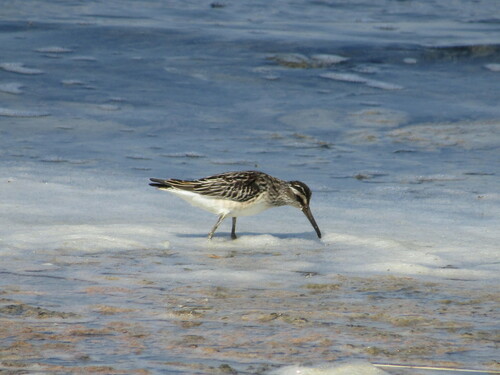 pilrito-de-bico-grosso
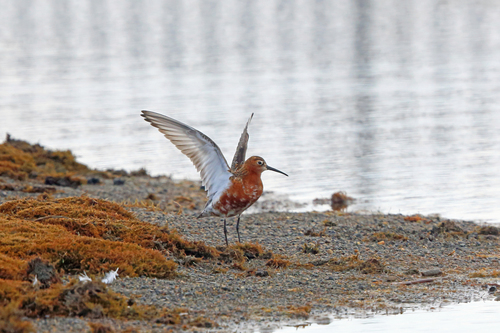 maçarico-de-bico-curvo
Em resumo
A marca de campo mais confiável para separar o pilrito-de-bico-grosso do maçarico-de-bico-curvo é o padrão de cabeça distinto do pilrito-de-bico-grosso: um forte supercílio duplo (dividido) e uma faixa clara na coroa, visíveis em todas as plumagens e idades. Em voo, o maçarico-de-bico-curvo exibe uma grande mancha branca na região do rabo e uma faixa branca na asa, ambas ausentes no pilrito-de-bico-grosso. Juvenis e aves não reprodutoras podem ser especialmente confusos, mas a atenção cuidadosa ao padrão da cabeça, forma do bico e marcas nas partes inferiores geralmente confirmará a identificação. A estrutura e o comportamento de forrageio também diferem sutilmente, com o pilrito-de-bico-grosso parecendo ter pernas mais curtas e ser mais compacto.
Dicas de identificação
- O padrão da cabeça é a chave: O pilrito-de-bico-grosso sempre mostra um forte supercílio duplo (dividido) e uma faixa clara na coroa, visíveis em todas as idades e plumagens. O maçarico-de-bico-curvo nunca mostra isso; ele tem um rosto simples com uma única sobrancelha branca.
- Em voo, verifique a região do rabo e a faixa da asa: O maçarico-de-bico-curvo de todas as idades tem uma grande mancha branca na região do rabo e uma faixa branca na asa. O pilrito-de-bico-grosso não possui essas características; sua região do rabo não é contrastante, e a asa é simples.
- Forma do bico: O pilrito-de-bico-grosso tem um bico reto de comprimento médio com uma ponta claramente voltada para baixo (não um bico longo e curvado). O bico do maçarico-de-bico-curvo é mais longo, mais fino e mais uniformemente curvado ao longo de seu comprimento.
- Comprimento das pernas: O maçarico-de-bico-curvo tem pernas mais longas e fica mais alto, especialmente ao se alimentar. O pilrito-de-bico-grosso parece ter pernas mais curtas e ser mais compacto.
- Marcas nas partes inferiores (não reprodutoras/juvenis): O pilrito-de-bico-grosso tem flancos e barriga brancos com peito listrado de marrom, mesmo na plumagem juvenil. O maçarico-de-bico-curvo é mais limpo e branco por baixo, com apenas listras cinza pálido em plumagem não reprodutora e uma aparência escamosa e tingida de buff em juvenis.
- Padrão das partes superiores (juvenil): O juvenil do pilrito-de-bico-grosso mostra 'linhas de bonde' pálidas ao longo do manto; o juvenil do maçarico-de-bico-curvo tem um padrão de partes superiores mais uniformemente escamoso e tingido de buff.
- Plumagem de reprodução: O maçarico-de-bico-curvo é rico em tons avermelhados por baixo e na cabeça na plumagem de reprodução (especialmente os machos), com uma região do rabo e faixa na asa brancas. O pilrito-de-bico-grosso nunca apresenta tons ruivos por baixo; em vez disso, procure por partes superiores marrons escuras com bordas claras e o supercílio dividido.
- Padrão do rosto (todas as idades): Apenas o pilrito-de-bico-grosso tem o supercílio dividido e a faixa clara na coroa; o rosto do maçarico-de-bico-curvo é simples, exceto por uma única sobrancelha branca.
- Comportamento de forrageio: O pilrito-de-bico-grosso é mais agachado e compacto; o maçarico-de-bico-curvo é mais ereto e gracioso.
- Tamanho: O maçarico-de-bico-curvo é maior e mais pesado, mas a sobreposição de tamanhos significa que isso é apenas uma marca de apoio.
- Associação: O pilrito-de-bico-grosso é mais propenso a estar com bandos de pilrito-de-peito-preto; o maçarico-de-bico-curvo frequentemente se associa a outros Calidris em bancos de lama abertos.
- Voz: O 'dree-it' seco e assobiado do pilrito-de-bico-grosso e o 'dik dik' de clique podem ajudar, especialmente se o maçarico-pequeno for descartado. Os chamados do maçarico-de-bico-curvo são menos distintivos neste contexto.
- Contexto sazonal: Na Europa ocidental, o pilrito-de-bico-grosso é raro e geralmente apenas em passagem; o maçarico-de-bico-curvo é mais disseminado e regular.
- Diferenças sexuais (reprodução): O macho do maçarico-de-bico-curvo é mais avermelhado por baixo do que a fêmea, mas ambos os sexos diferem do pilrito-de-bico-grosso pela coloração geral e padrão da cabeça.
- Armadilha: Em luz fraca ou à distância, o rosto simples do maçarico-de-bico-curvo e a faixa branca na região do rabo/asa em voo são as melhores pistas; o padrão da cabeça do pilrito-de-bico-grosso é diagnóstico de perto, mas pode ser perdido à distância.
Tamanho
O pilrito-de-bico-grosso é ligeiramente menor e mais leve que o maçarico-de-bico-curvo. O pilrito-de-bico-grosso mede 16–18 cm de comprimento com uma massa corporal em torno de 37 g [wikidata], enquanto o maçarico-de-bico-curvo é maior, medindo 18–23 cm e tipicamente mais pesado (44–117 g, embora nenhum valor AVONET seja fornecido aqui) [wikipedia]. No campo, o maçarico-de-bico-curvo frequentemente parece ter pernas mais longas e bico mais longo, com uma parte traseira mais atenuada.
Plumagem
-
Juvenis/Aves de primeiro ano: Os juvenis do maçarico-de-bico-curvo mostram um padrão de partes superiores escamoso e tingido de buff com uma grande mancha branca na região do rabo e faixa na asa em voo. Os juvenis do pilrito-de-bico-grosso têm 'linhas de bonde' pálidas ao longo do manto, mas suas partes inferiores são mais brancas com listras marrons no peito, e eles não possuem a mancha branca na região do rabo e faixa na asa do maçarico. Os juvenis do pilrito-de-bico-grosso também mostram o supercílio dividido e a faixa clara na coroa, que o maçarico nunca tem.
-
Não reprodutor/inverno: Ambas as espécies tornam-se mais cinzentas por cima e brancas por baixo, mas o pilrito-de-bico-grosso sempre retém seu supercílio dividido e faixa clara na coroa, enquanto o maçarico-de-bico-curvo mantém um rosto simples com uma única sobrancelha branca. Em voo, a mancha branca na região do rabo e a faixa na asa do maçarico-de-bico-curvo permanecem diagnósticas.
-
Reprodução: Os adultos do maçarico-de-bico-curvo na plumagem de reprodução são ricos em tons avermelhados por baixo e na cabeça (mais nos machos), com uma região do rabo e faixa na asa brancas. O pilrito-de-bico-grosso nunca apresenta tons ruivos por baixo; em vez disso, possui partes superiores marrons escuras com bordas claras, partes inferiores brancas com marcas pretas no peito e o supercílio dividido. O padrão da cabeça é sempre mais nítido no pilrito-de-bico-grosso.
Comportamento
O pilrito-de-bico-grosso tende a forragear com uma postura mais agachada e compacta e parece ter pernas mais curtas. O maçarico-de-bico-curvo é mais ereto, com pernas mais longas e um andar mais gracioso. Ambas as espécies são gregárias e frequentemente se misturam com outros pequenos limícolas, mas o pilrito-de-bico-grosso é mais propenso a ser visto em bandos apertados com pilrito-de-peito-preto, enquanto o maçarico-de-bico-curvo frequentemente se associa a outras espécies de Calidris em bancos de lama abertos.
Habitat
Ambas as espécies são migrantes de longa distância que se reproduzem no Ártico Siberiano, mas suas rotas de migração e áreas de invernada diferem. O pilrito-de-bico-grosso é raro na Europa ocidental devido à sua migração para sudeste e é mais provável de ser encontrado no leste da África, no sul e sudeste da Ásia e na Australásia no inverno. O maçarico-de-bico-curvo inverna amplamente na África, na Eurásia meridional e na Oceania, preferindo bancos de lama de maré e salinas. Ocorre sobreposição, mas o maçarico-de-bico-curvo é geralmente mais disseminado e numeroso em bancos de lama costeiros.
Voz
O pilrito-de-bico-grosso emite um 'dree-it, dree-it' seco e assobiado e um 'dik dik' de clique, que é semelhante ao maçarico-pequeno e mais agudo do que o pilrito-de-peito-preto. Os chamados do maçarico-de-bico-curvo não são descritos em detalhes aqui, mas não são notados como semelhantes às notas secas e assobiadas distintivas do pilrito-de-bico-grosso.
pilrito-de-bico-grosso · maçarico-de-bico-curvo · Minhas aves difíceis