

picoteiro vs ferreirinha
Bombycilla garrulus versus Prunella modularis
Jogue um quiz com picoteiro e ferreirinha
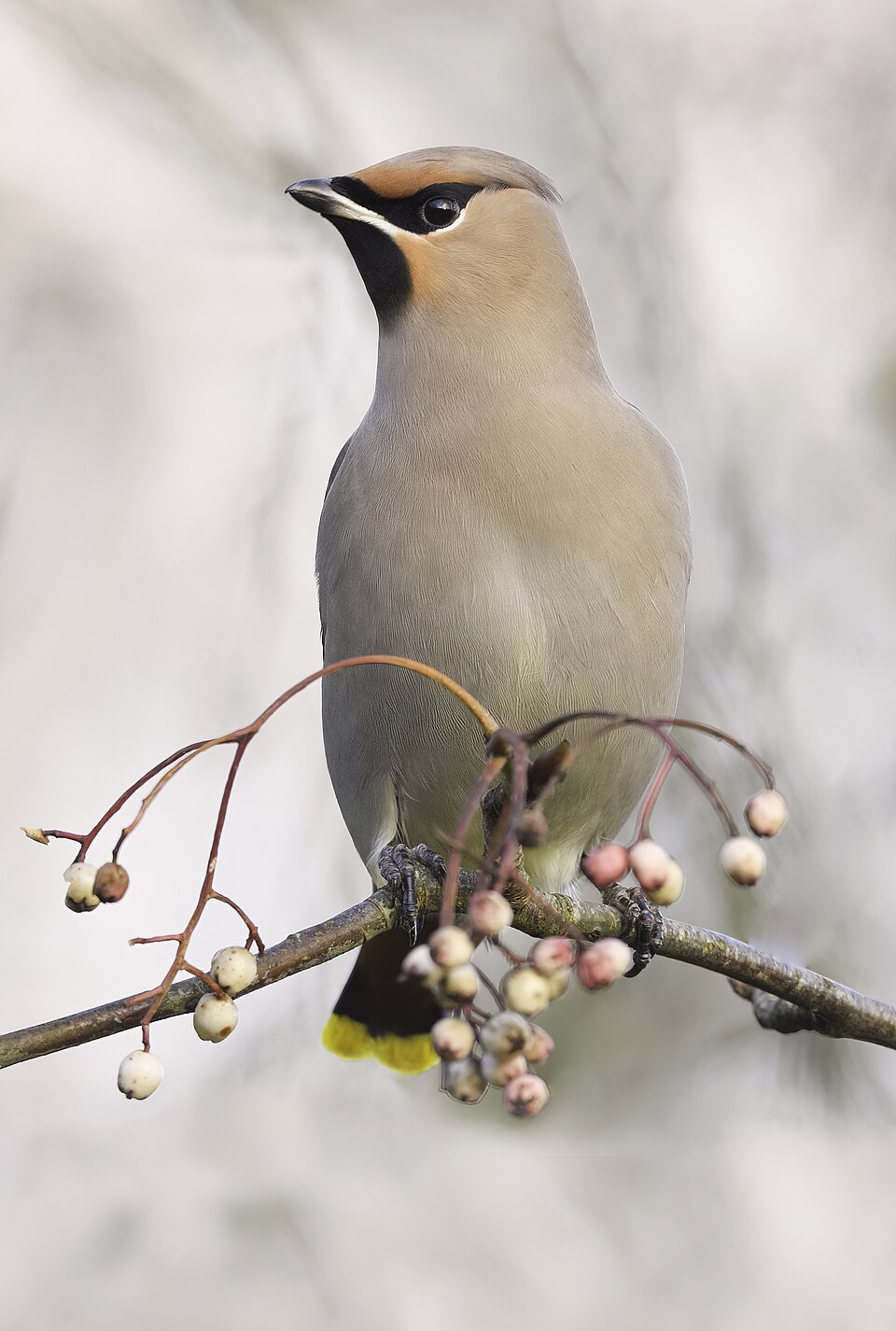 picoteiro
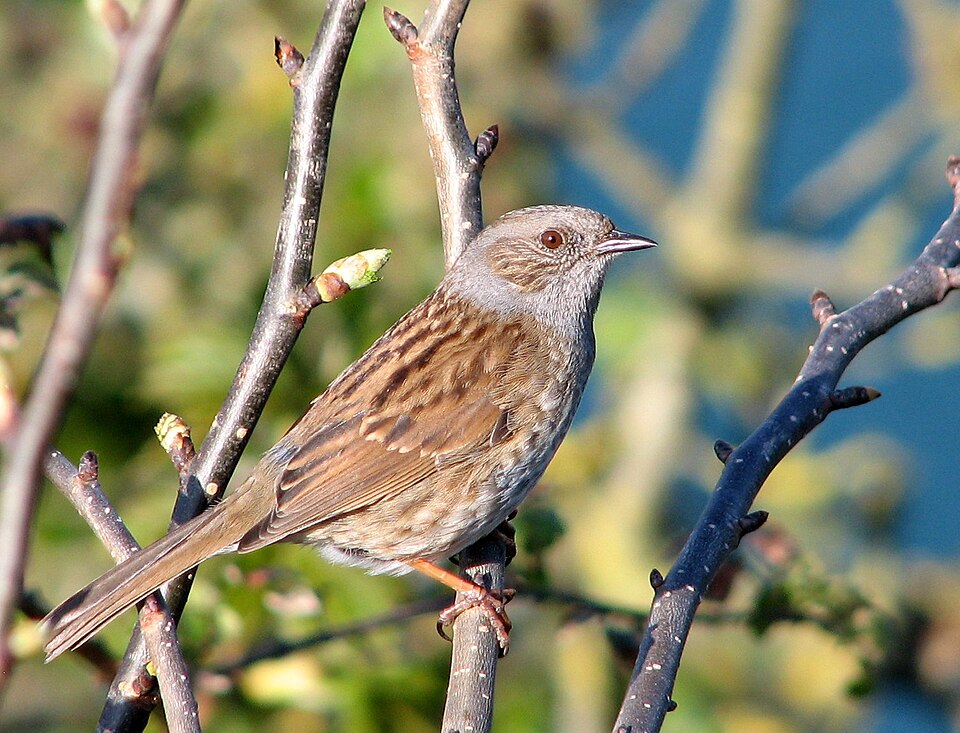 ferreirinha
Em resumo
A separação mais confiável é o padrão das asas e da cauda: o picoteiro (todas as idades) apresenta marcas brancas e amarelas ousadas nas asas e uma ponta de cauda amarela brilhante, enquanto a ferreirinha não possui qualquer coloração nas asas ou na cauda, aparecendo em um tom marrom e cinza simples. Picoteiros juvenis e de primeiro inverno têm marcas de asas menos vívidas, mas ainda mostram bordas pálidas e algumas pontas vermelhas, características que nunca estão presentes na ferreirinha. Estruturalmente, o picoteiro é um pássaro do tamanho de um estorninho, de cauda curta e com crista, com uma máscara facial preta; a ferreirinha é menor, mais esbelta, com um bico fino e sem crista ou máscara. Em voo, os bandos de picoteiros são rápidos e diretos, enquanto a ferreirinha é mais agitada e frequentemente agita suas asas quando empoleirada. O habitat e o contexto também ajudam: os picoteiros são visitantes invernais irruptivos em bandos, frequentemente em árvores abertas ou arbustos de frutas, enquanto as ferreirinhas são solitárias ou em pares, escondendo-se baixo em vegetação densa.
Dicas de identificação
- Padrão das asas e da cauda (todas as idades): O picoteiro sempre mostra alguma combinação de amarelo e branco nas asas e uma ponta de cauda amarela brilhante; a ferreirinha nunca mostra tais marcas—suas asas e cauda são marrom e cinza simples.
- Juvenil/primeiro inverno do picoteiro: Procure por bordas pálidas ou brancas nas primárias, ausência de 'marcas de tique' brancas, e algumas pontas vermelhas nas secundárias. Mesmo em plumagem mais apagada, essas características são únicas e ausentes em juvenis de ferreirinha, que são listrados e marrons sem manchas coloridas.
- Crista e máscara facial: O picoteiro tem uma crista pontuda proeminente e uma máscara preta ao redor do olho, com uma garganta preta bem definida (menos em fêmeas/imaturos). A ferreirinha não tem crista ou máscara—sua cabeça é cinza apagado (adulto) ou marrom (juvenil).
- Formato do bico: O picoteiro tem um bico curto e largo adequado para frutas; a ferreirinha tem um bico fino e pontudo para se alimentar de insetos. Isso é visível de perto ou em boa luz.
- Formato e tamanho do corpo: O picoteiro é do tamanho de um estorninho, robusto e de cauda curta; a ferreirinha é muito menor, mais esbelta e de cauda proporcionalmente mais longa. Use pássaros próximos como referência de escala quando possível.
- Cor da plumagem: O picoteiro é cinza-buff com tons de castanho e canela e um padrão marcante; a ferreirinha é em geral marrom e cinza apagado, com partes superiores listradas e partes inferiores marrons.
- Pontas de cera vermelhas: Picoteiros adultos têm de 5 a 8 pontas cerosas vermelhas nas secundárias das asas (menos em fêmeas e imaturos). Estas estão ausentes na ferreirinha.
- Diferenças sexuais: Machos de picoteiro têm pontas de cauda amarela mais largas e mais pontas cerosas vermelhas do que as fêmeas, mas ambos os sexos são sempre mais coloridos do que a ferreirinha. Os sexos da ferreirinha são idênticos.
- Agitação das asas: A ferreirinha frequentemente agita suas asas quando empoleirada ou agitada—um comportamento não observado no picoteiro.
- Estilo de voo: Os bandos de picoteiros voam rápido e diretamente, frequentemente alto e entre árvores; a ferreirinha voa baixo, com um voo fraco e agitado, geralmente apenas por curtas distâncias.
- Comportamento de empoleiramento: O picoteiro empoleira-se alto e de forma conspícua em árvores, frequentemente em grupos; a ferreirinha permanece baixa, coberta, e raramente é vista exposta por muito tempo.
- Contexto do habitat: O picoteiro é encontrado em áreas abertas com árvores frutíferas, especialmente no inverno e frequentemente em bandos; a ferreirinha está em sub-bosques densos, jardins e cercas, geralmente sozinha ou em pares.
- Vocalização: Se ouvido, o agudo 'tseep' e a canção tilintante da ferreirinha são distintivos; as chamadas do picoteiro não são descritas aqui, mas não são semelhantes.
- Contexto sazonal: O picoteiro é um visitante invernal em grande parte de sua área de distribuição, frequentemente aparecendo de repente em números; a ferreirinha é residente durante todo o ano na maior parte de sua área de distribuição.
- Erros comuns: Um picoteiro juvenil apagado pode parecer menos colorido, mas ainda mostrará bordas de asas pálidas e algumas pontas vermelhas—nunca presentes na ferreirinha. A plumagem juvenil listrada da ferreirinha não deve ser confundida com a plumagem suave e única do picoteiro e seu padrão facial.
Tamanho
O picoteiro é significativamente maior: 19–23 cm de comprimento e cerca de 55 g de peso, com uma envergadura de 32–35,5 cm [wikipedia]. A ferreirinha é muito menor, 13–14,5 cm de comprimento, e do tamanho de um pardal [wikipedia]. O picoteiro é de cauda curta e robusto, enquanto a ferreirinha é esbelta, com uma cauda proporcionalmente mais longa e fina. Essa diferença de tamanho é óbvia em comparação direta ou com experiência, mas pode ser mal interpretada à distância ou em isolamento.
Plumagem
-
Juvenil/Primeiro inverno: O picoteiro juvenil é mais apagado do que os adultos, com partes inferiores listradas e mais claras, uma máscara preta menor e sem garganta preta. Os pássaros de primeiro inverno não têm as ousadas marcas amarelas e brancas das asas dos adultos: suas primárias têm bordas pálidas ou brancas e nenhuma 'marca de tique' branca na borda traseira, e eles têm menos pontas cerosas vermelhas nas secundárias. Os juvenis da ferreirinha são mais marrons em geral, com uma aparência listrada e peluda e não têm manchas de cor nas asas ou na cauda; sua cabeça é marrom, não cinza, e não há máscara ou crista.
-
Adulto: O picoteiro adulto é cinza-buff com uma crista proeminente, máscara e garganta pretas, barriga inferior castanha e canela ao redor da máscara. As asas têm penas de voo pretas com uma faixa amarela brilhante e marcas brancas em forma de 'gancho de peixe', além de pontas cerosas vermelhas nas secundárias. A cauda tem a ponta amarela brilhante. Os adultos da ferreirinha são apagados: costas marrons listradas de preto, cabeça cinza apagada, partes inferiores marrons e sem marcas nas asas ou na cauda. Ambos os sexos parecem semelhantes em ambas as espécies, mas apenas o picoteiro mostra o padrão ousado no rosto e nas asas.
-
Diferenças sexuais: Nos picoteiros, os machos têm uma ponta de cauda amarela mais larga e mais pontas cerosas vermelhas do que as fêmeas, mas ambos os sexos ainda são muito mais coloridos do que a ferreirinha. Os sexos da ferreirinha são semelhantes.
Comportamento
Os picoteiros são frequentemente vistos em grandes bandos barulhentos, especialmente no inverno, alimentando-se alto nas árvores ou voando rápido e diretamente entre árvores carregadas de frutas. Eles escalam pelos galhos, mas raramente vão ao chão. As ferreirinhas são solitárias ou em pares, geralmente baixas ao chão, escondendo-se em coberturas densas, e frequentemente agitam suas asas quando empoleiradas—um comportamento não observado nos picoteiros. As ferreirinhas também exibem disputas territoriais com rápidas agitações de asas ('shufflewing'), enquanto os picoteiros são mais sociais e menos territoriais no inverno.
Habitat
O picoteiro se reproduz em florestas do norte (Palearctic e América do Norte) e é visto no inverno em florestas abertas, parques e jardins com árvores frutíferas, frequentemente em bandos. A ferreirinha é encontrada em toda a Europa e Ásia temperadas, em jardins, cercas vivas, bordas de florestas e sub-bosques densos. Os picoteiros geralmente estão em locais abertos e visíveis quando se alimentam, enquanto as ferreirinhas preferem ficar baixas e escondidas em vegetação densa.
Voz
A ferreirinha emite um chamado persistente e agudo 'tseep' e um rápido, fino e tilintante trinado como sua canção—sons que podem denunciar sua presença apesar de sua aparência apagada. As vocalizações do picoteiro não são descritas nas notas fornecidas, portanto, a voz não é um separador primário aqui, mas os chamados da ferreirinha são distintivos se ouvidos.