

pernilongo vs papa-amoras-cinzento
Himantopus himantopus versus Curruca curruca
Jogue um quiz com pernilongo e papa-amoras-cinzento
 pernilongo
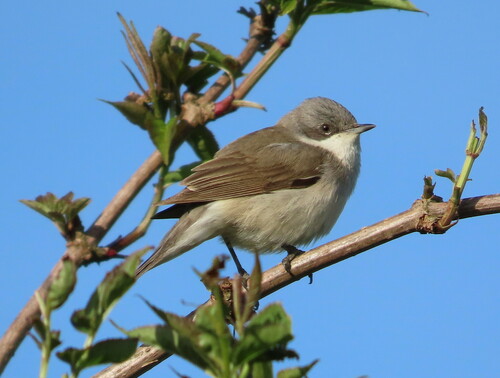 papa-amoras-cinzento
Em resumo
A maneira mais confiável de separar o pernilongo do papa-amoras-cinzento é pela estrutura geral e plumagem: o pernilongo é um wader alto e de pernas longas, com um contraste preto e branco marcante e pernas rosa extremamente longas, enquanto o papa-amoras-cinzento é um pequeno pássaro cantor de pernas curtas, com cabeça cinza e garganta branca. Pernilongos juvenis em voo mostram asas de areia pálida com uma linha esbranquiçada, que o papa-amoras-cinzento nunca mostra. Mesmo à distância, a postura ereta do pernilongo e seu comportamento de wader contrastam fortemente com o comportamento compacto e de empoleiramento do papa-amoras-cinzento. Se você vê um pássaro com pernas longas e rosas, nunca é um papa-amoras-cinzento.
Dicas de identificação
- Juvenil/imaturo em voo: Pernilongos juvenis mostram asas cinza-areadas com franjas de penas pálidas formando uma linha esbranquiçada—nunca vista no papa-amoras-cinzento. Use essa marca para jovens pássaros em voo.
- Comprimento e cor das pernas: Pernilongos têm pernas rosa extremamente longas visíveis tanto quando estão parados quanto em voo. O papa-amoras-cinzento tem pernas curtas e escuras que raramente são óbvias.
- Tamanho geral e comportamento: Pernilongos são grandes, eretos e magros; papa-amoras-cinzentos são pequenos, compactos e se empoleiram horizontalmente.
- Formato do bico: O bico do pernilongo é longo, fino e preto—adaptado para sondar na água. O bico do papa-amoras-cinzento é curto, fino e adequado para pegar insetos da folhagem.
- Contraste da plumagem: Pernilongos são audaciosamente pretos por cima e brancos por baixo, com uma cabeça e pescoço brancos (preto variável na cabeça dos machos). Papa-amoras-cinzentos são cinzas por cima, brancos por baixo, com uma cabeça cinza e faixa ocular escura, mas não apresentam um forte contraste preto e branco.
- Padrão da cabeça: O papa-amoras-cinzento mostra uma 'máscara de bandido' escura ao redor do olho e uma garganta branca limpa. A cabeça do pernilongo é principalmente branca, às vezes com manchas pretas nos machos, mas nunca com uma máscara semelhante à de um papa-amoras.
- Diferenças sexuais: Ambos os sexos do papa-amoras-cinzento são semelhantes. Nos pernilongos, os machos podem ter mais preto na cabeça no verão, mas isso é variável e nem sempre confiável.
- Comportamento: Pernilongos são sempre vistos em ou perto da água, caminhando ou se aventurando. Papa-amoras-cinzentos estão sempre em arbustos ou árvores, nunca se aventurando.
- Silhueta de voo: Pernilongos voam com pernas longas arrastando atrás e longas, pontudas asas. Papa-amoras-cinzentos têm caudas curtas e asas arredondadas, sem pernas arrastando.
- Habitat: Se o pássaro está em água aberta ou em lamaçais, é um pernilongo. Se está em arbustos densos ou na borda da floresta, é um papa-amoras-cinzento.
- Vocalizações: Uma canção rápida e ruidosa de um arbusto é do papa-amoras-cinzento; pernilongos não cantam de arbustos e têm chamadas diferentes.
- Comportamento em grupo: Pernilongos podem ser vistos em bandos soltos ou em pares em áreas úmidas; papa-amoras-cinzentos são geralmente solitários ou em pares na época de reprodução, raramente em aberto.
- Variação sazonal: Machos de pernilongo podem mostrar mais preto na cabeça no verão, mas isso não é uma separação confiável do papa-amoras-cinzento, que não mostra preto na cabeça.
- Armadilhas comuns: Vistas distantes de um pernilongo podem parecer 'cinza e branco' como um papa-amoras, mas as pernas longas e a postura ereta são sempre diagnósticas. A linha de asa pálida do pernilongo juvenil em voo nunca é igualada por qualquer papa-amoras.
- Quando em dúvida: Foque no comprimento das pernas, habitat e tamanho geral—nenhum papa-amoras, incluindo o papa-amoras-cinzento, mostrará as longas pernas rosas do pernilongo ou seu comportamento de wader.
Tamanho
O pernilongo é vastamente maior e mais pesado (massa corporal ~160g [wikidata]) do que o papa-amoras-cinzento, que é um pequeno papa-amoras (não fornecido aqui, mas tipicamente abaixo de 20g). O pernilongo mede 33–36 cm de altura, superando o papa-amoras-cinzento. As pernas do pernilongo são extremamente longas e rosas, enquanto as do papa-amoras-cinzento são curtas e inconspícuas. Mesmo em voo, as longas pernas do pernilongo arrastam atrás, fazendo-o parecer muito maior e mais magro do que qualquer papa-amoras.
Plumagem
Pernilongos juvenis têm asas cinza, em tons de areia, com franjas de penas pálidas, criando uma linha esbranquiçada visível em voo—isso é único para jovens pernilongos e nunca visto no papa-amoras-cinzento. Pernilongos adultos são nitidamente pretos por cima e brancos por baixo, com uma cabeça e pescoço brancos (machos podem ter mais preto na cabeça no verão, mas isso é variável). Em contraste, o papa-amoras-cinzento é cinza simples por cima, esbranquiçado por baixo, com uma cabeça cinza e uma distinta faixa ocular escura ('máscara de bandido'), e uma garganta branca. Ambos os sexos do papa-amoras-cinzento são semelhantes. As asas pretas e as partes inferiores brancas do pernilongo são ousadas e bem definidas, enquanto as cores do papa-amoras-cinzento são suaves e carecem de forte contraste. O bico do pernilongo é longo, fino e preto; o do papa-amoras-cinzento é curto e fino.
Comportamento
Pernilongos são waders, geralmente vistos caminhando em água rasa, frequentemente em habitats úmidos abertos, e se alimentando ao pegar na superfície da água. Eles ficam altos e eretos, muitas vezes em pequenos grupos. Em voo, suas longas pernas arrastam bem além da cauda. Papa-amoras-cinzentos são pássaros cantores que se empoleiram, tipicamente encontrados em arbustos ou pequenas árvores, movendo-se rapidamente e muitas vezes se escondendo na folhagem. Eles raramente, se é que alguma vez, caminham em solo aberto ou se aventuram na água. Seu voo é curto e direto entre os arbustos, sem pernas arrastando.
Habitat
Pernilongos são encontrados em áreas úmidas abertas—pântanos, lagos rasos e lagoas—frequentemente em áreas expostas, lamacentas ou aquáticas. Papa-amoras-cinzentos se reproduzem em arbustos temperados, cercas vivas e bordas de florestas, evitando água aberta e preferindo vegetação densa. Se você vê um pássaro no meio de um pântano ou se aventurando na água, quase certamente não é um papa-amoras-cinzento.
Voz
O papa-amoras-cinzento tem uma canção rápida e ruidosa e chamadas 'tet' ou 'che', bem diferentes da canção de repreensão do papa-amoras-comum. As chamadas do pernilongo não são descritas aqui, mas como um wader, suas vocalizações não são semelhantes às de um papa-amoras. Se você ouvir uma canção ruidosa, semelhante à de um papa-amoras, de um arbusto, não é um pernilongo.