

Motmot

セイタカシギ 対 コノドジロムシクイ

Himantopus himantopus 対 Curruca curruca

セイタカシギとコノドジロムシクイのクイズ
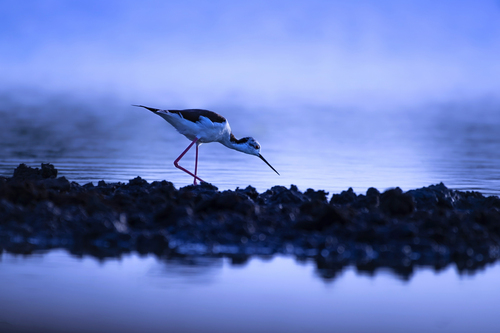
セイタカシギ (Himantopus himantopus) セイタカシギ
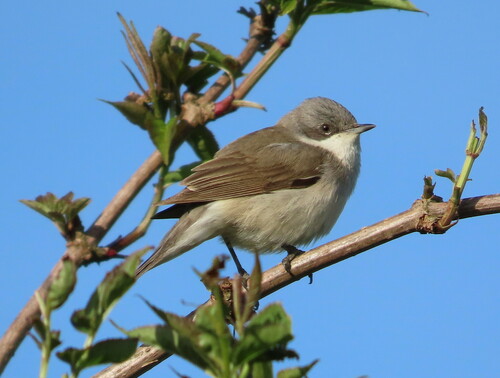
コノドジロムシクイ (Curruca curruca) コノドジロムシクイ

メディア

読み込み中…

要点

The most reliable way to separate Black-winged Stilt from Lesser Whitethroat is by overall structure and plumage: the stilt is a tall, long-legged wader with striking black-and-white contrast and extremely long pink legs, while the whitethroat is a small, short-legged songbird with a grey head and white throat. Juvenile Black-winged Stilts in flight show pale sandy wings with a whitish line, which Lesser Whitethroat never shows. Even at a distance, the stilt’s upright stance and wader jizz contrast sharply with the warbler’s compact, perching behavior. If you see a bird with long pink legs, it is never a Lesser Whitethroat.

識別のコツ

  1. Juvenile/immature in flight: Juvenile Black-winged Stilts show sandy-grey wings with pale feather fringes forming a whitish line—never seen in Lesser Whitethroat. Use this mark for young birds in flight.
  2. Leg length and color: Black-winged Stilts have extremely long, pink legs visible both when standing and in flight. Lesser Whitethroat has short, dark legs that are rarely obvious.
  3. Overall size and jizz: Stilts are large, upright, and lanky; whitethroats are small, compact, and perch horizontally.
  4. Bill shape: Stilt’s bill is long, thin, and black—adapted for probing in water. Whitethroat’s bill is short, fine, and suited for picking insects from foliage.
  5. Plumage contrast: Stilts are boldly black above and white below, with a white head and neck (variable black on head in males). Whitethroats are grey above, white below, with a grey head and dark eye-stripe, but lack strong black-and-white contrast.
  6. Head pattern: Whitethroat shows a dark 'bandit mask' through the eye and a clean white throat. Stilt’s head is mostly white, sometimes with black patches in males, but never with a warbler-like mask.
  7. Sex differences: Both sexes of Lesser Whitethroat look alike. In stilts, males may have more black on the head in summer, but this is variable and not always reliable.
  8. Behavior: Stilts are always seen in or near water, walking or wading. Whitethroats are always in shrubs or trees, never wading.
  9. Flight silhouette: Stilts fly with long legs trailing behind and long, pointed wings. Whitethroats have short tails and rounded wings, with no trailing legs.
  10. Habitat: If the bird is in open water or mudflats, it is a stilt. If it is in dense shrubs or woodland edge, it is a whitethroat.
  11. Vocalizations: A fast, rattling song from a bush is Lesser Whitethroat; stilts do not sing from bushes and have different calls.
  12. Group behavior: Stilts may be seen in loose flocks or pairs in wetlands; whitethroats are usually solitary or in pairs in breeding season, rarely in open.
  13. Seasonal variation: Stilt males may show more black on the head in summer, but this is not a reliable separation from whitethroat, which does not show black on the head.
  14. Common pitfalls: Distant views of a stilt may seem 'grey and white' like a warbler, but the long legs and upright stance are always diagnostic. Juvenile stilt’s pale wing line in flight is never matched by any warbler.
  15. When in doubt: Focus on leg length, habitat, and overall size—no warbler, including Lesser Whitethroat, will ever show the stilt’s long pink legs or wader behavior.

大きさ

Black-winged Stilt is vastly larger and heavier (body mass ~160g [wikidata]) than the Lesser Whitethroat, which is a small warbler (not given here, but typically under 20g). The stilt stands 33–36 cm tall, towering over the whitethroat. The stilt’s legs are extremely long and pink, while the whitethroat’s are short and inconspicuous. Even in flight, the stilt’s long legs trail behind, making it appear much larger and lankier than any warbler.

羽色

Juvenile Black-winged Stilts have grey, sandy-toned wings with pale feather fringes, creating a whitish line visible in flight—this is unique to young stilts and never seen in Lesser Whitethroat. Adult stilts are sharply black above and white below, with a white head and neck (males may have more black on the head in summer, but this is variable). In contrast, Lesser Whitethroat is plain grey above, whitish below, with a grey head and a distinct dark eye-stripe ('bandit mask'), and a white throat. Both sexes of the whitethroat look alike. The stilt’s black wings and white underparts are bold and clean-cut, while the whitethroat’s colors are muted and lack strong contrast. The stilt’s bill is long, thin, and black; the whitethroat’s is short and fine.

行動

Black-winged Stilts are waders, usually seen walking in shallow water, often in open wetland habitats, and feeding by picking at the water’s surface. They stand tall and upright, often in small groups. In flight, their long legs trail well beyond the tail. Lesser Whitethroats are perching songbirds, typically found in shrubs or small trees, moving quickly and often skulking in foliage. They rarely, if ever, walk on open ground or wade in water. Their flight is short and direct between bushes, with no trailing legs.

生息環境

Black-winged Stilts are found in open wetlands—marshes, shallow lakes, and ponds—often in exposed, muddy or watery areas. Lesser Whitethroats breed in temperate scrub, hedgerows, and woodland edges, avoiding open water and preferring dense vegetation. If you see a bird in the middle of a marsh or wading in water, it is almost certainly not a Lesser Whitethroat.

声

Lesser Whitethroat has a fast, rattling song and 'tet' or 'che' calls, quite different from the scolding song of Common Whitethroat. Black-winged Stilt’s calls are not described here, but as a wader, its vocalizations are not warbler-like. If you hear a rattling, warbler-like song from a bush, it is not a stilt.

より良い説明を送る

比較と同じ項目を使ってください。文章はすぐに公開されます。

The most reliable way to separate Black-winged Stilt from Lesser Whitethroat is by overall structure and plumage: the stilt is a tall, long-legged wader with striking black-and-white contrast and extremely long pink legs, while the whitethroat is a small, short-legged songbird with a grey head and white throat. Juvenile Black-winged Stilts in flight show pale sandy wings with a whitish line, which Lesser Whitethroat never shows. Even at a distance, the stilt’s upright stance and wader jizz contrast sharply with the warbler’s compact, perching behavior. If you see a bird with long pink legs, it is never a Lesser Whitethroat.

  1. Juvenile/immature in flight: Juvenile Black-winged Stilts show sandy-grey wings with pale feather fringes forming a whitish line—never seen in Lesser Whitethroat. Use this mark for young birds in flight.
  2. Leg length and color: Black-winged Stilts have extremely long, pink legs visible both when standing and in flight. Lesser Whitethroat has short, dark legs that are rarely obvious.
  3. Overall size and jizz: Stilts are large, upright, and lanky; whitethroats are small, compact, and perch horizontally.
  4. Bill shape: Stilt’s bill is long, thin, and black—adapted for probing in water. Whitethroat’s bill is short, fine, and suited for picking insects from foliage.
  5. Plumage contrast: Stilts are boldly black above and white below, with a white head and neck (variable black on head in males). Whitethroats are grey above, white below, with a grey head and dark eye-stripe, but lack strong black-and-white contrast.
  6. Head pattern: Whitethroat shows a dark 'bandit mask' through the eye and a clean white throat. Stilt’s head is mostly white, sometimes with black patches in males, but never with a warbler-like mask.
  7. Sex differences: Both sexes of Lesser Whitethroat look alike. In stilts, males may have more black on the head in summer, but this is variable and not always reliable.
  8. Behavior: Stilts are always seen in or near water, walking or wading. Whitethroats are always in shrubs or trees, never wading.
  9. Flight silhouette: Stilts fly with long legs trailing behind and long, pointed wings. Whitethroats have short tails and rounded wings, with no trailing legs.
  10. Habitat: If the bird is in open water or mudflats, it is a stilt. If it is in dense shrubs or woodland edge, it is a whitethroat.
  11. Vocalizations: A fast, rattling song from a bush is Lesser Whitethroat; stilts do not sing from bushes and have different calls.
  12. Group behavior: Stilts may be seen in loose flocks or pairs in wetlands; whitethroats are usually solitary or in pairs in breeding season, rarely in open.
  13. Seasonal variation: Stilt males may show more black on the head in summer, but this is not a reliable separation from whitethroat, which does not show black on the head.
  14. Common pitfalls: Distant views of a stilt may seem 'grey and white' like a warbler, but the long legs and upright stance are always diagnostic. Juvenile stilt’s pale wing line in flight is never matched by any warbler.
  15. When in doubt: Focus on leg length, habitat, and overall size—no warbler, including Lesser Whitethroat, will ever show the stilt’s long pink legs or wader behavior.

Black-winged Stilt is vastly larger and heavier (body mass ~160g [wikidata]) than the Lesser Whitethroat, which is a small warbler (not given here, but typically under 20g). The stilt stands 33–36 cm tall, towering over the whitethroat. The stilt’s legs are extremely long and pink, while the whitethroat’s are short and inconspicuous. Even in flight, the stilt’s long legs trail behind, making it appear much larger and lankier than any warbler.

Juvenile Black-winged Stilts have grey, sandy-toned wings with pale feather fringes, creating a whitish line visible in flight—this is unique to young stilts and never seen in Lesser Whitethroat. Adult stilts are sharply black above and white below, with a white head and neck (males may have more black on the head in summer, but this is variable). In contrast, Lesser Whitethroat is plain grey above, whitish below, with a grey head and a distinct dark eye-stripe ('bandit mask'), and a white throat. Both sexes of the whitethroat look alike. The stilt’s black wings and white underparts are bold and clean-cut, while the whitethroat’s colors are muted and lack strong contrast. The stilt’s bill is long, thin, and black; the whitethroat’s is short and fine.

Black-winged Stilts are waders, usually seen walking in shallow water, often in open wetland habitats, and feeding by picking at the water’s surface. They stand tall and upright, often in small groups. In flight, their long legs trail well beyond the tail. Lesser Whitethroats are perching songbirds, typically found in shrubs or small trees, moving quickly and often skulking in foliage. They rarely, if ever, walk on open ground or wade in water. Their flight is short and direct between bushes, with no trailing legs.

Black-winged Stilts are found in open wetlands—marshes, shallow lakes, and ponds—often in exposed, muddy or watery areas. Lesser Whitethroats breed in temperate scrub, hedgerows, and woodland edges, avoiding open water and preferring dense vegetation. If you see a bird in the middle of a marsh or wading in water, it is almost certainly not a Lesser Whitethroat.

Lesser Whitethroat has a fast, rattling song and 'tet' or 'che' calls, quite different from the scolding song of Common Whitethroat. Black-winged Stilt’s calls are not described here, but as a wader, its vocalizations are not warbler-like. If you hear a rattling, warbler-like song from a bush, it is not a stilt.

変更を破棄しますか?

保存していない編集があります。今離れると失われます。

セイタカシギ · コノドジロムシクイ · 苦手な鳥