

trinta-réis-negro vs trinta-réis-boreal
Chlidonias niger versus Sterna hirundo
Jogue um quiz com trinta-réis-negro e trinta-réis-boreal
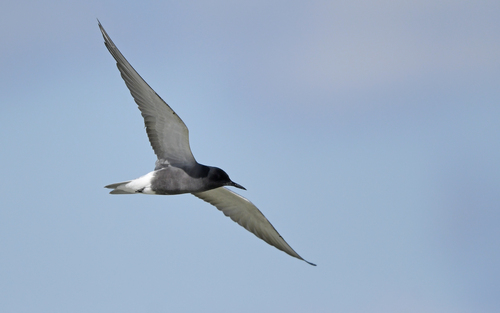 trinta-réis-negro
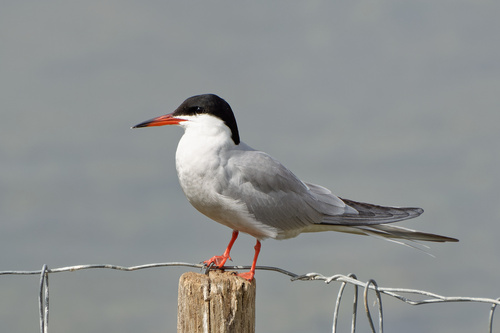 trinta-réis-boreal
Em resumo
A maneira mais confiável de separar o trinta-réis-negro do trinta-réis-boreal é pela estrutura geral e plumagem, especialmente em voo. O trinta-réis-negro é compacto e escuro, com um bico e pernas curtas, e apresenta um corpo e parte inferior escuros distintos na plumagem de reprodução, enquanto o trinta-réis-boreal é mais longo, mais esguio e muito mais claro, com um bico pontudo laranja-avermelhado e longas fitas de cauda. Aves juvenis e não reprodutoras podem ser mais complicadas, mas o trinta-réis-negro nunca apresenta a parte inferior branca limpa e a longa cauda do trinta-réis-boreal. Preste atenção na cor do bico, na forma das asas e na presença ou ausência de uma barra carpiana escura ou borda traseira em voo.
Dicas de identificação
- Asa superior juvenil/imatura: O juvenil trinta-réis-boreal apresenta uma barra carpiana escura distinta na asa superior e partes inferiores claras; os juvenis do trinta-réis-negro não têm uma barra carpiana forte e são, em geral, mais escuros com lados do peito manchados. 2. Plumagem de reprodução adulta: O trinta-réis-negro é inconfundivelmente escuro, com cabeça, pescoço e barriga pretos, e costas cinza-escuras; o trinta-réis-boreal é cinza-claro acima, branco abaixo, com uma touca preta e um bico laranja-avermelhado brilhante com ponta preta. 3. Forma e cor do bico: O trinta-réis-negro tem um bico curto, esguio e escuro; o trinta-réis-boreal tem um bico mais longo, pontudo e laranja-avermelhado com ponta preta (exceto em algumas subespécies). 4. Cor e comprimento das pernas: As pernas do trinta-réis-negro são curtas e escuras; as pernas do trinta-réis-boreal são mais longas e vermelhas brilhantes. 5. Forma da cauda: O trinta-réis-negro tem uma cauda curta e quadrada; o trinta-réis-boreal tem longas fitas de cauda profundamente bifurcadas, especialmente óbvias em voo e quando empoleiradas. 6. Estilo de voo: O trinta-réis-negro voa com batidas de asa rápidas, erráticas e flutuantes, frequentemente baixo sobre a água; o trinta-réis-boreal tem um voo mais direto e poderoso, com asas mais rígidas e triangulares. 7. Forma do corpo: O trinta-réis-negro parece compacto e curvado, com um pescoço e bico curtos; o trinta-réis-boreal é mais longo, mais esguio e se mantém mais ereto. 8. Plumagem não reprodutora: O trinta-réis-negro torna-se cinza mais apagado, mas mantém uma aparência mais escura e menos limpa do que o trinta-réis-boreal, que se torna mais claro com uma faixa ocular escura e partes inferiores brancas. 9. Padrão facial: O trinta-réis-negro (todas as idades) pode apresentar uma mancha triangular escura na frente do olho e, em juvenis, um colar branco largo; o trinta-réis-boreal tem um rosto branco mais limpo com uma touca preta na reprodução e uma faixa ocular escura na não reprodução. 10. Contexto de habitat: O trinta-réis-negro é muito mais provável de ser encontrado em habitats de água doce, pantanosos e interiores; o trinta-réis-boreal é comum em costas, grandes lagos e rios. 11. Vocalizações: Ouça o 'kik' agudo e fino do trinta-réis-negro em contraste com o 'kreee' áspero e rolante do trinta-réis-boreal. 12. Comportamento alimentar: O trinta-réis-negro raramente mergulha, em vez disso, captura presas da superfície ou em voo; o trinta-réis-boreal frequentemente mergulha para pegar peixes. 13. Comportamento em grupo: O trinta-réis-negro frequentemente forma bandos densos e barulhentos sobre os pântanos; o trinta-réis-boreal é mais frequentemente visto sozinho ou em grupos soltos, especialmente ao longo das costas. 14. Contexto sazonal: Na Europa e na América do Norte, o trinta-réis-negro é principalmente um reprodutor de verão em áreas interiores; o trinta-réis-boreal está presente por mais tempo nas costas e migra mais tarde na temporada. 15. Armadilha: Híbridos entre o trinta-réis-negro e o trinta-réis-de-asas-brancas podem apresentar características mistas, mas não se assemelham de perto ao trinta-réis-boreal em estrutura ou forma de cauda.
Tamanho
O trinta-réis-negro é ligeiramente menor e mais compacto do que o trinta-réis-boreal. O trinta-réis-negro tem uma massa corporal média de cerca de 60 g [wikidata], com um comprimento de 25 cm e uma envergadura de 61 cm [wikipedia]. O trinta-réis-boreal é semelhante em comprimento, mas parece mais longo e esguio devido às suas asas, cauda e pernas proporcionalmente mais longas. No campo, o trinta-réis-boreal frequentemente parece mais elegante e alongado, especialmente quando empoleirado ou em voo.
Plumagem
Os trinta-réis-negros juvenis e imaturos são, em geral, mais escuros do que os trinta-réis-boreais da mesma idade, com um corpo escuro e lados do peito manchados, e nunca mostram as partes inferiores brancas limpas do trinta-réis-boreal. Os juvenis do trinta-réis-negro têm um colar branco largo e uma mancha triangular escura na frente do olho, com manchas marrom-cinzentas nos lados do peito. Em contraste, os juvenis do trinta-réis-boreal são mais claros, com uma barra carpiana escura mais definida na asa superior e um rosto mais branco. Na plumagem de reprodução adulta, o trinta-réis-negro é strikingly dark: cabeça, pescoço e barriga pretos, com costas cinza-escuras e parte anterior das asas clara, enquanto o trinta-réis-boreal é principalmente cinza-claro acima e branco abaixo, com uma touca preta e um bico laranja-avermelhado brilhante com ponta preta. Os trinta-réis-negros não reprodutores perdem a maior parte do preto, exceto a touca, tornando-se cinza mais apagado acima e abaixo, mas ainda nunca tão limpos e brancos quanto o trinta-réis-boreal. O trinta-réis-boreal na plumagem não reprodutora tem uma faixa ocular escura e uma coroa mais clara e cinza, mas mantém uma aparência muito mais branca no geral.
Comportamento
O trinta-réis-negro se alimenta pegando insetos e pequenas presas da superfície da água ou em voo, frequentemente sobre pântanos e habitats de água doce, com um voo errático, flutuante e batidas de asa rápidas e ágeis. O trinta-réis-boreal é mais propenso a mergulhar para pegar peixes, especialmente em águas costeiras ou abertas, e tem um voo mais direto e poderoso, com batidas de asa mais rígidas. Quando empoleirado, o trinta-réis-negro parece curvado e de pernas curtas, enquanto o trinta-réis-boreal se mantém mais alto e ereto, frequentemente exibindo suas longas fitas de cauda.
Habitat
O trinta-réis-negro está fortemente associado a pântanos e lagos de água doce interiores durante a reprodução, raramente se aventurando longe desses habitats. Durante a migração e o inverno, ele se move para áreas costeiras, mas ainda prefere águas abrigadas. O trinta-réis-boreal é muito mais flexível, reproduzindo-se ao longo das costas, grandes lagos e rios, e frequentemente é visto longe no mar ou ao longo de costas expostas durante a migração e o inverno. Se você ver um trinta-réis em áreas interiores sobre poças pantanosas, especialmente em um bando, é mais provável que seja um trinta-réis-negro; em costas abertas ou grandes lagos, o trinta-réis-boreal predomina.
Voz
O trinta-réis-negro emite um chamado agudo e alto de 'kik', que pode ser repetido rapidamente e é descrito como 'ensurdecedor' em grandes bandos. O trinta-réis-boreal tem um repertório mais variado, mas seu chamado mais frequente é um 'kreee' ou 'kee-arr' áspero e rolante, frequentemente emitido em voo ou quando alarmado. O chamado do trinta-réis-negro é mais alto e fino, enquanto o do trinta-réis-boreal é mais alto e mais áspero.
trinta-réis-negro · trinta-réis-boreal · Minhas aves difíceis