

gaivota-de-capuz-escuro vs gaivota-alegre
Chroicocephalus ridibundus versus Leucophaeus atricilla
Jogue um quiz com gaivota-de-capuz-escuro e gaivota-alegre
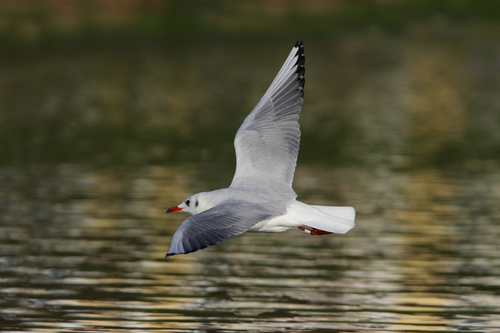 gaivota-de-capuz-escuro
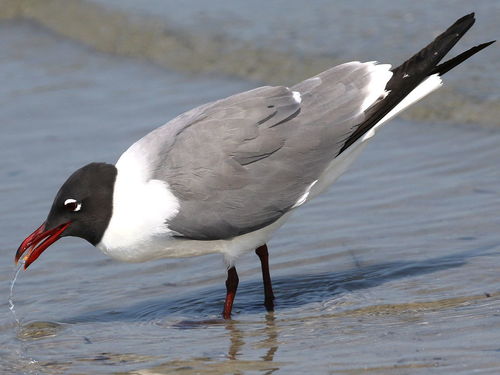 gaivota-alegre
Em resumo
A marca de campo mais confiável para separar a gaivota-de-capuz-escuro da gaivota-alegre, especialmente em voo e entre imaturos, é o padrão das asas: gaivotas-de-capuz-escuro juvenis e de primeiro inverno apresentam uma barra carpálica marrom distinta e uma borda anterior branca na asa externa, enquanto gaivotas-alegres de todas as idades têm asas superiores muito mais escuras e não possuem a borda anterior branca. Gaivotas-de-capuz-escuro adultas no verão têm uma capuz marrom-chocolate (não preto), enquanto gaivotas-alegres têm um capuz verdadeiramente preto e asas superiores cinza muito mais escuras. No inverno, ambas as espécies perdem a maior parte do capuz, mas gaivotas-alegres permanecem mais escuras no geral e têm um bico mais longo e pesado. As plumagens juvenis e imaturas são particularmente úteis para a separação, pois gaivotas-alegres são sempre mais escuras e os primeiros anos têm uma cauda totalmente preta, ao contrário da faixa preta na gaivota-de-capuz-escuro. O tamanho é semelhante, mas a gaivota-alegre é ligeiramente mais pesada e robusta. O contexto e a distribuição também são úteis: a gaivota-de-capuz-escuro é eurasiática, a gaivota-alegre é americana, mas a vagância ocorre.
Dicas de identificação
- Padrão das asas juvenis/primeiro inverno: Procure pela barra carpálica marrom e a borda anterior branca na asa externa em gaivotas-de-capuz-escuro juvenis e de primeiro inverno. Imaturos de gaivota-alegre não possuem essas características e são muito mais escuros acima.
- Padrão da cauda em imaturos: Imaturos de gaivota-de-capuz-escuro têm uma faixa preta em uma cauda branca; primeiros anos de gaivota-alegre têm uma cauda totalmente preta.
- Cor do capuz adulto (verão): A gaivota-de-capuz-escuro tem um capuz marrom-chocolate (parece preto à distância), enquanto o capuz da gaivota-alegre é verdadeiramente preto.
- Cor das asas superiores (adultos): A gaivota-de-capuz-escuro tem asas superiores cinza pálido com pontas pretas e uma borda anterior branca; as asas superiores da gaivota-alegre são muito mais escuras, com pontas pretas e sem crescente branco.
- Forma e cor do bico: A gaivota-alegre tem um bico mais longo, pesado e robusto; o bico da gaivota-de-capuz-escuro é mais curto e mais fino, também vermelho, mas mais delicado.
- Cor das pernas: Ambas as espécies têm pernas vermelhas na plumagem adulta de verão, portanto, isso não é confiável para separação.
- Padrão da cabeça no inverno: No inverno, a gaivota-de-capuz-escuro mostra apenas duas manchas escuras atrás do olho; a gaivota-alegre perde a maior parte do capuz, mas permanece mais escura no geral.
- Tamanho e estrutura: A gaivota-alegre é ligeiramente mais pesada e robusta, mas a sobreposição é significativa—use apenas como uma pista de apoio.
- Estilo de voo: A gaivota-alegre pode parecer mais poderosa e com asas mais longas em voo; a gaivota-de-capuz-escuro é mais delicada.
- Vocalizações: Um chamado alto e repetido de 'risada' é diagnóstico para a gaivota-alegre; a gaivota-de-capuz-escuro é mais silenciosa e não possui esse chamado.
- Habitat e distribuição: A gaivota-de-capuz-escuro é eurasiática, a gaivota-alegre é americana, mas ambas podem ocorrer como vagantes—não confie apenas na localização.
- Plumagem de segundo ano: Gaivotas-alegres de segundo ano têm mais preto extenso nas coberturas primárias e podem reter preto na cauda; gaivotas-de-capuz-escuro de segundo inverno são em sua maioria semelhantes a adultas, com apenas marcas marrons ocasionais.
- Relação bico-cabeça: O bico da gaivota-alegre parece proporcionalmente mais longo em relação à cabeça, especialmente de perfil.
- Borda anterior branca em voo: Apenas a gaivota-de-capuz-escuro mostra uma borda anterior branca clara nas primárias externas em voo; isso está ausente na gaivota-alegre de todas as idades.
- Composição do bando: Em bandos mistos, gaivotas-de-capuz-escuro são frequentemente mais numerosas na Eurásia, enquanto gaivotas-alegres dominam no leste da América do Norte—use como contexto, não como uma marca primária.
Tamanho
Ambas as espécies são próximas em tamanho, com a gaivota-de-capuz-escuro pesando em média cerca de 280,5 g e a gaivota-alegre cerca de 300 g [wikidata]. A gaivota-alegre é marginalmente maior e mais pesada, mas essa diferença é sutil e nem sempre aparente em campo. A estrutura pode ajudar: a gaivota-alegre tende a parecer um pouco mais robusta e com bico longo, enquanto a gaivota-de-capuz-escuro é ligeiramente mais delicada no geral. O comprimento e a envergadura se sobrepõem consideravelmente, portanto, use o tamanho apenas como uma pista de apoio.
Plumagem
-
Juvenil/Primeiro inverno: Gaivotas-de-capuz-escuro juvenis têm um padrão marrom manchado sobre o corpo, uma faixa preta na cauda e uma barra carpálica marrom distinta na asa interna. Em voo, a borda anterior branca nas primárias externas é uma marca chave, e a parte inferior das primárias internas é escura (não branca). Gaivotas-alegres juvenis e imaturos são sempre muito mais escuras acima, não possuem a borda anterior branca e têm uma cauda totalmente preta (não apenas uma faixa). Primeiros anos de gaivotas-alegres são mais cinzentos abaixo, com cabeças mais claras do que a gaivota-de-franklin, mas ainda muito mais escuras do que a gaivota-de-capuz-escuro.
-
Segundo ano: Gaivotas-de-capuz-escuro de segundo inverno são próximas das adultas, mas podem reter algum marrom nas asas e na ponta da cauda. Gaivotas-alegres de segundo ano mostram mais preto extenso nas coberturas primárias e podem ainda ter algum preto na cauda.
-
Adulto verão: A gaivota-de-capuz-escuro tem um capuz marrom-chocolate (não verdadeiramente preto), asas superiores cinza pálido com pontas pretas e uma borda anterior branca, e bico e pernas vermelhos. A gaivota-alegre tem um capuz verdadeiramente preto, asas superiores cinza muito mais escuras (mais escuras do que qualquer gaivota de tamanho semelhante, exceto a gaivota-de-franklin), pontas pretas sem um crescente branco, e um longo bico vermelho.
-
Adulto inverno: Ambas as espécies perdem a maior parte do capuz, mas a gaivota-de-capuz-escuro é mais clara no geral, com apenas duas manchas escuras atrás do olho, enquanto a gaivota-alegre permanece mais escura, especialmente nas partes superiores.
Comportamento
Ambas as espécies são altamente gregárias, especialmente no inverno, e frequentemente vistas em grandes bandos. A gaivota-de-capuz-escuro é conhecida tanto por andar balançando a cabeça quanto por andar sem balançar, mas isso não é uma marca de campo forte para separação. A gaivota-alegre é um oportunista, frequentemente ousada ao redor dos humanos, e pode ser mais propensa a ser vista descansando em praias ou forrageando em estacionamentos em sua área. O estilo de voo é semelhante, mas a gaivota-alegre pode parecer ligeiramente mais pesada e poderosa em voo devido à sua constituição.
Habitat
A gaivota-de-capuz-escuro se reproduz por toda a Eurásia em pântanos, canaviais e em ilhas em lagos, e inverna em uma ampla variedade de habitats interiores e costeiros, raramente longe da costa. A gaivota-alegre se reproduz ao longo da costa atlântica da América do Norte, no Caribe e no norte da América do Sul, geralmente em ilhas costeiras baixas, e é mais estritamente costeira em seus hábitos, especialmente na época de reprodução. A gaivota-de-capuz-escuro é rara na América do Norte, principalmente como vagante, enquanto a gaivota-alegre é rara na Europa. O habitat sozinho não é diagnóstico devido à vagância, mas o contexto pode ajudar.
Voz
A gaivota-alegre é nomeada por seu chamado alto e semelhante a uma risada 'ha... ha... ha...', que é estridente e distintivo. A gaivota-de-capuz-escuro é menos vocal e não possui um chamado semelhante. Se você ouvir uma risada alta e repetida, é a gaivota-alegre.
gaivota-de-capuz-escuro · gaivota-alegre · Minhas aves difíceis