

Kokmeeuw vs Lachmeeuw
Chroicocephalus ridibundus versus Leucophaeus atricilla
Speel een quiz met Kokmeeuw en Lachmeeuw
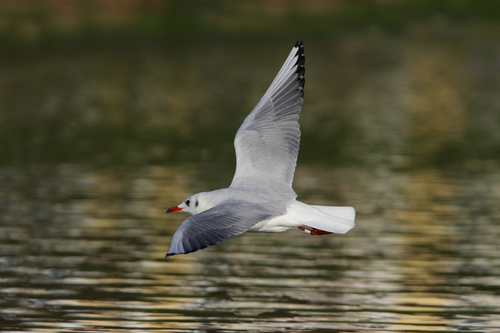 Kokmeeuw
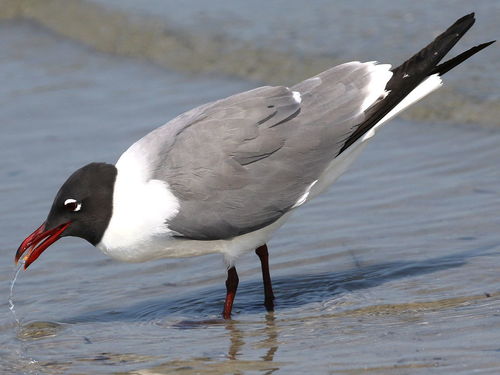 Lachmeeuw
Kort gezegd
Het meest betrouwbare veldkenmerk om Kokmeeuw van Lachmeeuw te scheiden, vooral in de vlucht en onder onvolwassen vogels, is het vleugelpatroon: juveniele en eerste-winter Kokmeeuwen tonen een duidelijke bruine carpaalstreep en een witte leidende rand aan de buitenste vleugel, terwijl Lachmeeuwen van alle leeftijden veel donkerdere bovenvleugels hebben en de witte leidende rand missen. Volwassen zomer Kokmeeuwen hebben een chocoladebruine (niet zwarte) kap, terwijl Lachmeeuwen een echte zwarte kap hebben en veel donkerdere grijze bovenvleugels. In de winter verliezen beide soorten het grootste deel van de kap, maar Lachmeeuwen blijven over het algemeen donkerder en hebben een langere, zwaardere snavel. Juveniele en onvolwassen verenkleed zijn bijzonder nuttig voor scheiding, aangezien Lachmeeuwen altijd donkerder zijn en eerstejaars een volledig zwarte staart hebben, in tegenstelling tot de zwarte band op Kokmeeuw. De grootte is vergelijkbaar, maar Lachmeeuw is iets zwaarder en robuuster. Context en verspreiding zijn ook nuttig: Kokmeeuw is Euraziatisch, Lachmeeuw is Amerikaans, maar zwervend gedrag komt voor.
Herkenningstips
- Juveniele/eerste-winter vleugelpatroon: Zoek naar de bruine carpaalstreep en de witte leidende rand aan de buitenste vleugel bij juveniele en eerste-winter Kokmeeuwen. Onvolwassen Lachmeeuwen missen deze en zijn veel donkerder boven.
- Staartpatroon bij onvolwassen vogels: Onvolwassen Kokmeeuwen hebben een zwarte band op een witte staart; eerstejaars Lachmeeuwen hebben een volledig zwarte staart.
- Kleur van de kap bij volwassenen (zomer): Kokmeeuw heeft een chocoladebruine kap (lijkt zwart op afstand), terwijl de kap van Lachmeeuw echt zwart is.
- Kleur van de bovenvleugel (volwassenen): Kokmeeuw heeft lichtgrijze bovenvleugels met zwarte punten en een witte leidende rand; de bovenvleugels van Lachmeeuw zijn veel donkerder grijs, met zwarte punten en zonder witte halve maan.
- Vorm en kleur van de snavel: Lachmeeuw heeft een langere, zwaardere en robuustere rode snavel; de snavel van Kokmeeuw is korter en fijner, ook rood maar delicater.
- Kleur van de poten: Beide soorten hebben rode poten in het volwassen zomerverekleed, dus dit is niet betrouwbaar voor scheiding.
- Vleugelpatroon in de winter: In de winter toont Kokmeeuw slechts twee donkere vlekken achter het oog; Lachmeeuw verliest het grootste deel van de kap maar blijft over het algemeen donkerder.
- Grootte en structuur: Lachmeeuw is iets zwaarder en robuuster, maar de overlap is significant—gebruik als ondersteunend bewijs alleen.
- Vluchtstijl: Lachmeeuw kan krachtiger en met langere vleugels in de vlucht lijken; Kokmeeuw is delicater.
- Vocalisaties: Een luide, herhaalde 'lachende' roep is diagnostisch voor Lachmeeuw; Kokmeeuw is stiller en mist deze roep.
- Habitat en verspreiding: Kokmeeuw is Euraziatisch, Lachmeeuw is Amerikaans, maar beide kunnen als zwervende vogels voorkomen—verlaat je niet alleen op de locatie.
- Verenkleed van het tweede jaar: Tweedejaars Lachmeeuwen hebben meer uitgebreide zwarte op de primaire dekkveren en kunnen zwart in de staart behouden; tweede-winter Kokmeeuwen zijn meestal volwassen-achtig met slechts af en toe bruine vlekken.
- Verhouding snavel tot hoofd: De snavel van Lachmeeuw lijkt proportioneel langer ten opzichte van het hoofd, vooral in profiel.
- Witte leidende rand in de vlucht: Alleen Kokmeeuw toont een duidelijke witte leidende rand aan de buitenste primaire vleugels in de vlucht; dit ontbreekt bij Lachmeeuw van alle leeftijden.
- Samenstelling van de groep: In gemengde groepen zijn Kokmeeuwen vaak talrijker in Eurazië, terwijl Lachmeeuwen domineren in het oosten van Noord-Amerika—gebruik dit als context, niet als primair kenmerk.
Grootte
Beide soorten zijn vergelijkbaar in grootte, met Kokmeeuw die gemiddeld ongeveer 280,5 g weegt en Lachmeeuw ongeveer 300 g [wikidata]. Lachmeeuw is marginaal groter en zwaarder, maar dit verschil is subtiel en niet altijd zichtbaar in het veld. De structuur kan helpen: Lachmeeuw lijkt iets robuuster en met een langere snavel, terwijl Kokmeeuw iets delicater is. Lengte en spanwijdte overlappen aanzienlijk, dus gebruik grootte alleen als ondersteunend bewijs.
Verenkleed
-
Juveniele/Eerste-winter: Juveniele Kokmeeuwen hebben een gemarmerd bruin patroon over het lichaam, een zwarte band op de staart, en een kenmerkende bruine carpaalstreep op de binnenvleugel. In de vlucht is de witte leidende rand aan de buitenste primaire vleugels een belangrijk kenmerk, en de onderzijde van de binnenste primaire vleugels is donker (niet wit). Juveniele Lachmeeuwen en onvolwassen vogels zijn altijd veel donkerder boven, missen de witte leidende rand, en hebben een volledig zwarte staart (niet alleen een band). Eerstejaars Lachmeeuwen zijn grijzer onder, met lichtere koppen dan Franklins meeuw, maar nog steeds veel donkerder dan Kokmeeuw.
-
Tweede jaar: Tweede-winter Kokmeeuwen zijn dicht bij volwassenen maar kunnen wat bruin in de vleugels en de staartpunt behouden. Tweedejaars Lachmeeuwen tonen meer uitgebreide zwarte op de primaire dekkveren en kunnen nog steeds wat zwart op de staart hebben.
-
Volwassen zomer: Kokmeeuw heeft een chocoladebruine kap (niet echt zwart), lichtgrijze bovenvleugels met zwarte vleugeltips en een witte leidende rand, en een rode snavel en poten. Lachmeeuw heeft een echte zwarte kap, veel donkerdere grijze bovenvleugels (donkerder dan enige vergelijkbare meeuw behalve Franklins), zwarte vleugeltips zonder een witte halve maan, en een lange rode snavel.
-
Volwassen winter: Beide soorten verliezen het grootste deel van de kap, maar Kokmeeuw is over het algemeen lichter, met slechts twee donkere vlekken achter het oog, terwijl Lachmeeuw donkerder blijft, vooral op de bovenkant.
Gedrag
Beide soorten zijn zeer sociaal, vooral in de winter, en worden vaak in grote groepen gezien. Kokmeeuw staat bekend om zowel het hoofd-bobbelen als het niet-bobbelen lopen, maar dit is geen sterk veldkenmerk voor scheiding. Lachmeeuw is een opportunistische aaseter, vaak moedig rond mensen, en kan waarschijnlijker worden gezien terwijl hij op stranden ligt of aas zoekt in parkeerplaatsen in zijn verspreidingsgebied. De vluchtstijl is vergelijkbaar, maar Lachmeeuw kan iets zwaarder en krachtiger in de vlucht lijken door zijn bouw.
Habitat
Kokmeeuw broedt in heel Eurazië in moerassen, rietvelden en op eilanden in meren, en overwintert in een breed scala aan binnenlandse en kusthabitats, zelden ver van de kust. Lachmeeuw broedt langs de Atlantische kust van Noord-Amerika, het Caribisch gebied en het noorden van Zuid-Amerika, meestal op laaggelegen kusteilanden, en is strikter kustgebonden in zijn gewoonten, vooral in het broedseizoen. Kokmeeuw is zeldzaam in Noord-Amerika, meestal als zwervende vogel, terwijl Lachmeeuw zeldzaam is in Europa. Habitat alleen is niet diagnostisch vanwege zwervend gedrag, maar context kan helpen.
Geluid
Lachmeeuw is genoemd naar zijn luide, lachachtige 'ha... ha... ha...' roep, die schor en onderscheidend is. Kokmeeuw is minder vocaal en heeft geen vergelijkbare lachende roep. Als je een luide, herhaalde lach hoort, is het Lachmeeuw.