

toutinegra-barrada vs papa-amoras-cinzento
Curruca nisoria versus Curruca curruca
Jogue um quiz com toutinegra-barrada e papa-amoras-cinzento
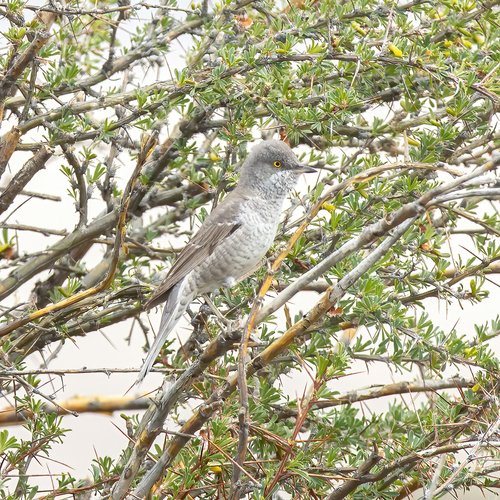 toutinegra-barrada
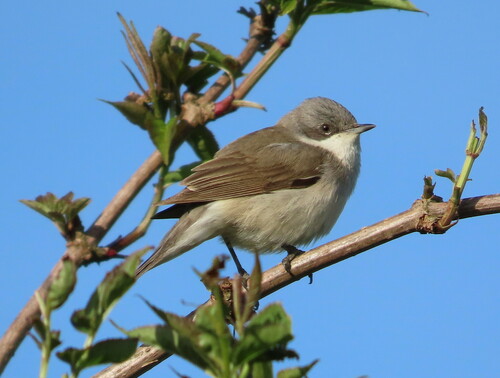 papa-amoras-cinzento
Em resumo
A marca de campo mais confiável entre toutinegra-barrada e papa-amoras-cinzento é o tamanho: a toutinegra-barrada é muito maior e mais robusta, com um bico mais pesado e uma aparência mais robusta, enquanto o papa-amoras-cinzento é distintamente pequeno e arrumado. Para a plumagem, os machos adultos da toutinegra-barrada apresentam listras pesadas na parte inferior e coberturas de asas e cauda com pontas brancas, enquanto o papa-amoras-cinzento tem uma garganta branca simples, cabeça cinza com uma máscara escura e sem listras. Os juvenis de toutinegra-barrada podem ser confusos por serem simples, mas ainda são maiores e podem mostrar listras fracas nas coberturas da cauda e bordas claras nas penas das asas. Em voo ou empoleirados, a toutinegra-barrada sempre parece maior e mais pesada, com um bico mais robusto e uma estrutura mais poderosa. As vocalizações também são bastante diferentes, mas no outono, a maior confusão vem de aves imaturas e silenciosas.
Dicas de identificação
- O tamanho é o separador mais rápido: A toutinegra-barrada é muito maior e mais robusta que o papa-amoras-cinzento. Se a ave parecer grande para uma toutinegra, considere a toutinegra-barrada primeiro.
- Estrutura do bico: A toutinegra-barrada tem um bico notavelmente mais pesado e robusto; o bico do papa-amoras-cinzento é fino e delicado. Isso é visível mesmo à distância.
- Confusão juvenil/primeiro ano: Os jovens toutinegras-barradas são simples e podem se assemelhar ao papa-amoras-cinzento, mas procure por listras fracas nas coberturas da cauda e bordas claras nas penas das asas—características que o papa-amoras-cinzento não apresenta. Além disso, verifique o tamanho e a robustez geral.
- Machos adultos da toutinegra-barrada: Apresentam listras pesadas na parte inferior, pontas brancas nas coberturas das asas e penas da cauda. O papa-amoras-cinzento nunca apresenta listras ou coberturas com pontas brancas.
- Fêmeas adultas da toutinegra-barrada: Mais claras que os machos, com listras mais leves, mas ainda mais robustas e maiores que qualquer papa-amoras-cinzento.
- Plumagem do papa-amoras-cinzento: Sempre cinza simples acima, com uma garganta branca ou esbranquiçada, cabeça cinza e uma máscara escura 'de bandido' através dos olhos. Sem listras, sem coberturas com pontas brancas ou cauda.
- Cor da íris: A toutinegra-barrada adulta tem íris amarela; os imaturos têm íris escuras. A cor da íris do papa-amoras-cinzento não é notada como diagnóstica, mas isso pode ajudar com a toutinegra-barrada adulta.
- Cor das pernas: A toutinegra-barrada tem pernas robustas, cinza-claras. Não é um separador forte, mas pode ajudar em vistas próximas.
- Voo e aparência: A toutinegra-barrada parece poderosa e pesada em voo e quando empoleirada. O papa-amoras-cinzento é ágil, arrumado e rápido.
- Voz: Se cantando, a toutinegra-barrada emite uma canção áspera e tagarela com notas claras, enquanto o papa-amoras-cinzento dá uma sequência curta e ruidosa de 'tet' ou 'che'. No outono, a maioria das aves está silenciosa, então não confie nisso então.
- Contexto do habitat: A toutinegra-barrada é muito mais escassa na Europa Ocidental, especialmente no outono, e é tipicamente encontrada em campos abertos com arbustos ou silvas. O papa-amoras-cinzento é mais disseminado e comum em habitats arbustivos.
- Diferenças sexuais: Os sexos do papa-amoras-cinzento são quase idênticos; os machos da toutinegra-barrada são mais fortemente listrados que as fêmeas, mas ambos são maiores que o papa-amoras-cinzento.
- Contexto sazonal: A maioria das toutinegras-barradas vistas na Europa Ocidental no outono são aves de primeiro ano, que são mais simples e mais fáceis de confundir com o papa-amoras-cinzento. Use o tamanho e listras sutis nas coberturas da cauda e bordas das asas para essas aves.
- Armadilhas comuns: Não confie apenas na cor da parte inferior ou na aparência geral 'acinzentada'—concentre-se no tamanho, listras e características estruturais.
- Quando em dúvida: Se a ave for pequena, arrumada, cinza e branca simples com uma máscara escura, e não mostrar listras ou coberturas com pontas brancas, é quase certamente um papa-amoras-cinzento.
Tamanho
A toutinegra-barrada é a maior toutinegra do gênero Curruca, medindo 15,5–17 cm de comprimento e pesando 22–36 g [wikipedia]. O papa-amoras-cinzento é significativamente menor, com uma construção mais delicada (menor que o papa-amoras-comum e muito menor que a toutinegra-barrada). No campo, a toutinegra-barrada parece visivelmente mais robusta e longa, com um bico mais robusto e uma aparência mais pesada, enquanto o papa-amoras-cinzento é compacto e arrumado.
Plumagem
Os juvenis e os de primeiro ano da toutinegra-barrada são cinza-marrom claro acima e pálidos abaixo, com muito poucas listras—tornando-os facilmente confundíveis com outras toutinegras simples, incluindo o papa-amoras-cinzento. No entanto, mesmo os jovens toutinegras-barradas podem mostrar listras leves nas coberturas da cauda e bordas claras nas penas das asas, que o papa-amoras-cinzento não possui. Os machos adultos da toutinegra-barrada são cinza-escuros acima, com pontas brancas proeminentes nas coberturas das asas e penas da cauda, e são fortemente listrados abaixo; as fêmeas são semelhantes, mas mais claras com listras mais leves. O papa-amoras-cinzento de todas as idades é cinza simples acima, com uma garganta branca ou esbranquiçada, uma cabeça cinza com uma máscara 'de bandido' mais escura através dos olhos, e não possui listras ou coberturas de asas com pontas brancas. Os sexos no papa-amoras-cinzento são quase idênticos. A íris da toutinegra-barrada adulta é amarela, escura nos imaturos; a cor da íris do papa-amoras-cinzento não é especificada como diagnóstica. Em resumo, listras (quando presentes), coberturas de asas com pontas brancas e robustez geral apontam para a toutinegra-barrada, enquanto uma garganta branca simples, máscara escura e pequeno tamanho apontam para o papa-amoras-cinzento.
Comportamento
A toutinegra-barrada tende a parecer mais robusta e poderosa em seus movimentos, tanto quando empoleirada quanto em voo, devido ao seu tamanho maior e bico mais pesado. O papa-amoras-cinzento é mais ágil e delicado, muitas vezes se movendo rapidamente através dos arbustos com movimentos rápidos e arrumados. Ambas as espécies são tipicamente encontradas em habitats arbustivos, mas a toutinegra-barrada pode parecer mais deliberada e menos inquieta do que o menor e mais ativo papa-amoras-cinzento.
Habitat
Ambas as espécies se reproduzem na Europa temperada e na Ásia ocidental/central, favorecendo áreas com arbustos e vegetação. A toutinegra-barrada prefere campos abertos com arbustos baixos ou silvas, frequentemente semelhante ao habitat do tira-teima-de-costas-vermelhas. O papa-amoras-cinzento também é encontrado em áreas arbustivas, mas é mais disseminado e comum, reproduzindo-se em grande parte da Europa (exceto no sudoeste). Ambas são fortemente migratórias, mas a toutinegra-barrada é muito mais escassa na Europa Ocidental, especialmente na passagem de outono, onde a maioria dos registros são de aves de primeiro ano.
Voz
A canção da toutinegra-barrada é uma série agradável e tagarela de notas, mais áspera e menos melodiosa que a toutinegra-das-figueiras, e ligeiramente mais aguda, com alguma semelhança ao papa-amoras-comum. A canção do papa-amoras-cinzento é uma sequência rápida e ruidosa de chamadas 'tet' ou 'che', bastante diferente do papa-amoras-comum e da toutinegra-barrada. Na prática, a canção do papa-amoras-cinzento é mais curta, mais seca e mais mecânica, enquanto a da toutinegra-barrada é mais longa e variada. No entanto, a maior confusão surge no outono, quando as aves estão frequentemente silenciosas.
toutinegra-barrada · papa-amoras-cinzento · Minhas aves difíceis