

trinta-réis-ártico vs trinta-réis-róseo
Sterna paradisaea versus Sterna dougallii
Jogue um quiz com trinta-réis-ártico e trinta-réis-róseo
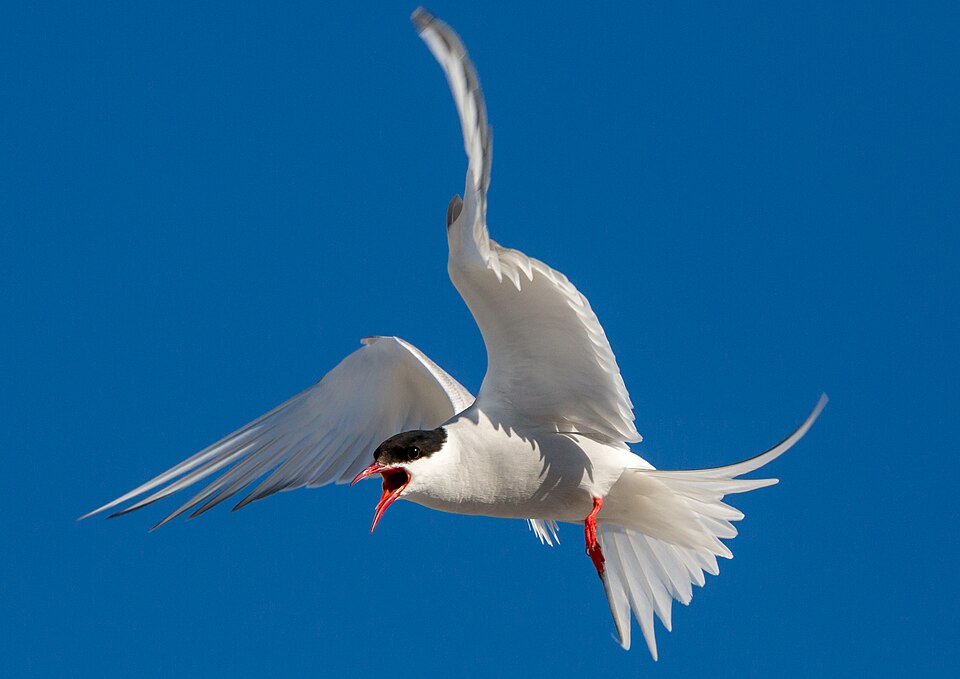 trinta-réis-ártico
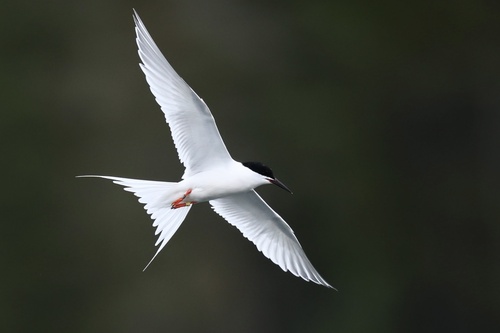 trinta-réis-róseo
Em resumo
A marca de campo mais confiável entre trinta-réis-ártico e trinta-réis-róseo é o bico: trinta-réis-ártico adultos têm um bico vermelho profundo uniformemente, enquanto trinta-réis-róseo apresenta um bico preto com uma base vermelha (exceto em algumas populações do sul, que não são relevantes no Atlântico Norte). Para juvenis e imaturos, concentre-se no padrão da asa superior: juvenis de trinta-réis-ártico mostram uma distinta barra carpiana escura e uma asa superior 'escamosa', enquanto juvenis de trinta-réis-róseo são mais claros e não possuem uma barra carpiana forte. Em voo, trinta-réis-ártico tem asas mais longas e é mais flutuante, com uma cauda profundamente bifurcada, enquanto trinta-réis-róseo tem asas mais curtas e um batimento de asas mais rápido. Trinta-réis-róseo adultos em plumagem de reprodução têm um sutil tom rosado nas partes inferiores, que trinta-réis-ártico nunca mostra. Ambas as espécies são semelhantes em tamanho e podem se sobrepor em colônias, então atenção cuidadosa a essas marcas é essencial.
Dicas de identificação
- Cor do bico (adultos, reprodução): Trinta-réis-ártico tem um bico vermelho profundo, totalmente colorido. Trinta-réis-róseo apresenta um bico preto com uma base vermelha (no Atlântico Norte); esta é a marca mais confiável em adultos empoleirados na primavera/verão.
- Asa superior de juvenis/imaturos: Juvenis de trinta-réis-ártico têm uma forte barra carpiana escura e partes superiores 'escamosas', com longas fitas de cauda. Juvenis de trinta-réis-róseo são mais claros, não possuem uma barra carpiana forte e têm uma touca preta mais cheia. Esta é a melhor marca para separar jovens aves em voo.
- Fitas de cauda: Ambas as espécies têm longas fitas de cauda, mas as de trinta-réis-róseo são especialmente longas e flexíveis, muitas vezes se estendendo bem além das pontas das asas quando empoleiradas. A cauda de trinta-réis-ártico é profundamente bifurcada, mas não tão extravagantemente longa em proporção.
- Partes inferiores (adultos, reprodução): Trinta-réis-róseo apresenta um sutil tom rosado nas partes inferiores em plumagem de reprodução, especialmente no peito. Trinta-réis-ártico é sempre branco limpo a cinza claro por baixo.
- Cor das pernas: Trinta-réis-ártico tem pernas curtas e vermelhas profundas em plumagem de reprodução, tornando-se escuras no inverno. As pernas de trinta-réis-róseo são laranja-vermelhas e ligeiramente mais longas, mas isso é sutil e nem sempre confiável.
- Estrutura da asa e voo: Trinta-réis-ártico tem asas mais longas, com um voo mais flutuante e deslizante. Trinta-réis-róseo tem asas mais curtas, com batimentos de asas mais rápidos e mais agitados. Em comparação direta, trinta-réis-ártico parece mais gracioso e alongado.
- Padrão da asa superior (adultos): As asas superiores de trinta-réis-ártico são cinza claro com pontas de asas translúcidas e uma borda escura estreita. As asas de trinta-réis-róseo são ainda mais claras, com uma borda frontal branca e menos contraste geral, mas as primárias externas escurecem no final do verão.
- Coroa e testa (não-reprodução): Ambas as espécies desenvolvem uma testa branca no inverno, mas o bico e as pernas de trinta-réis-ártico tornam-se pretos, enquanto o bico de trinta-réis-róseo é todo preto e as pernas permanecem laranja-vermelhas.
- Voz: Trinta-réis-ártico emite um chamado agudo e nasal; o chamado de trinta-réis-róseo é um 'chuwit' mais suave e distinto. Use isso em colônias ou quando as aves estão chamando.
- Habitat e contexto: Trinta-réis-ártico é muito mais provável em colônias abertas ou expostas em altas latitudes. Trinta-réis-róseo é raro, localizado e frequentemente encontrado em colônias com caixas-ninho ou vegetação densa, especialmente na Irlanda, no Reino Unido e em alguns locais dos EUA.
- Agressão no ninho: Trinta-réis-ártico é altamente defensivo e agressivo no ninho, enquanto trinta-réis-róseo é menos assim e frequentemente depende de outros trinta-réis para proteção.
- Contexto sazonal: No final do verão, as primárias externas de trinta-réis-róseo podem parecer mais escuras, mas as partes inferiores rosadas e o padrão do bico permanecem úteis. No inverno, ambas as espécies tornam-se mais difíceis de separar, mas a cor do bico e das pernas, e o padrão da asa superior em juvenis, permanecem úteis.
- Armadilhas: Não confie apenas na palidez geral—ambas as espécies podem parecer muito pálidas em luz brilhante. A cor do bico é fundamental, mas tenha cuidado, pois o bico de trinta-réis-róseo pode parecer todo preto no início da temporada ou em plumagem não reprodutiva.
- Comparação direta: Quando ambas as espécies estão presentes, procure a combinação de cor do bico, comprimento das fitas de cauda e cor das partes inferiores. Nenhuma marca única é perfeita, mas a combinação é diagnóstica.
- Quando em dúvida: O padrão da asa superior juvenil (barra carpiana em trinta-réis-ártico, ausente em trinta-réis-róseo) e a cor do bico adulto são as marcas de campo mais confiáveis para essas duas espécies.
Tamanho
Tanto trinta-réis-ártico quanto trinta-réis-róseo são semelhantes em comprimento (33–36 cm), mas trinta-réis-ártico é ligeiramente mais pesado (massa corporal média 114 g [avonet/wikidata]). Trinta-réis-ártico tem uma envergadura mais ampla (76–85 cm) em comparação com trinta-réis-róseo (67–76 cm), dando-lhe uma aparência mais alongada e graciosa em voo. Trinta-réis-róseo parece ligeiramente mais esbelto e delicado, mas isso é sutil e melhor avaliado com comparação direta.
Plumagem
- Aves juvenis/imaturas: Juvenis de trinta-réis-ártico têm uma forte barra carpiana escura na asa superior, partes superiores 'escamosas' com penas de ponta escura e fitas de cauda curtas. Seu bico e pernas são pretos. Juvenis de trinta-réis-róseo são mais claros no geral, com uma barra carpiana menos óbvia e uma touca preta mais cheia; suas partes superiores também são 'escamosas', mas menos contrastantes, e eles não possuem a forte barra de asa de trinta-réis-ártico.
- Adultos (reprodução): Trinta-réis-ártico tem um manto cinza limpo, asas superiores cinza claro com pontas de asas translúcidas, um bico vermelho profundo e uma coroa/nuca pretas. Trinta-réis-róseo é mais claro acima, com um corpo branco, asas superiores cinza claro e um bico preto com uma base vermelha. A marca mais distintiva é o tom rosado nas partes inferiores em trinta-réis-róseo, ausente em trinta-réis-ártico. Ambos têm longas fitas de cauda, mas as de trinta-réis-róseo são especialmente longas e flexíveis.
- Adultos (não-reprodução/inverno): Ambas as espécies desenvolvem uma testa branca e um bico mais escuro no inverno. O bico e as pernas de trinta-réis-ártico tornam-se pretos; o bico de trinta-réis-róseo torna-se todo preto, as pernas laranja-vermelhas. As partes inferiores de trinta-réis-róseo perdem o tom rosado.
Comportamento
Em voo, trinta-réis-ártico é flutuante, com asas longas e estreitas e uma cauda profundamente bifurcada, frequentemente deslizando e mostrando uma aparência graciosa e flutuante. Trinta-réis-róseo é mais rápido e agitado no batimento das asas, com asas mais curtas e fitas de cauda extremamente longas e flexíveis. Quando empoleirado, trinta-réis-róseo frequentemente parece mais delicado e esbelto, mas isso é sutil. Trinta-réis-róseo é menos agressivo no ninho do que trinta-réis-ártico, frequentemente dependendo de outros trinta-réis para defesa.
Habitat
Ambas as espécies se reproduzem em colônias nas costas e ilhas, frequentemente juntas. Trinta-réis-ártico prefere regiões mais ao norte, subárticas a árticas, enquanto trinta-réis-róseo é mais localizado e prefere ilhas abrigadas, frequentemente vegetadas ou rochosas, às vezes usando caixas-ninho. Trinta-réis-róseo é muito mais raro e mais restrito em sua distribuição na Europa e na América do Norte, com colônias-chave na Irlanda, no Reino Unido e em alguns locais dos EUA. Trinta-réis-ártico é muito mais amplamente distribuído e abundante no extremo norte.
Voz
Trinta-réis-ártico emite um chamado nasal e áspero, bem diferente do chamado distinto de trinta-réis-róseo 'chuwit', que é mais suave e mais reminiscentes de um Maçarico-de-papo-vermelho. Esses chamados são confiáveis na colônia ou quando as aves estão vocalizando, mas podem ser difíceis de separar à distância ou em bandos mistos.
trinta-réis-ártico · trinta-réis-róseo · Minhas aves difíceis