

Charrán Ártico vs Charrán Rosado
Sterna paradisaea frente a Sterna dougallii
Juega un quiz con Charrán Ártico y Charrán Rosado
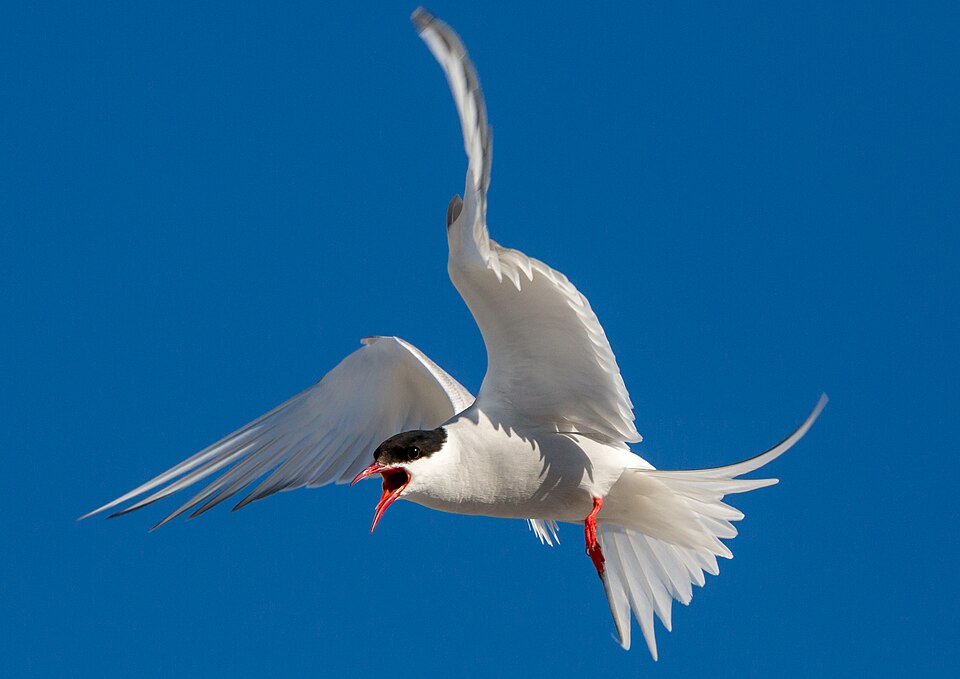 Charrán Ártico
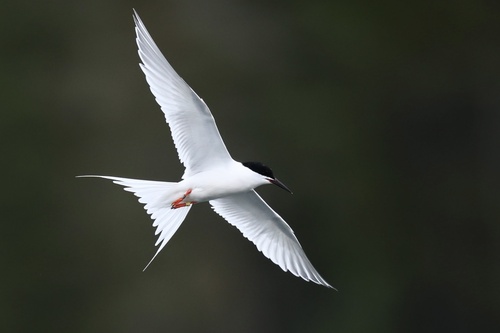 Charrán Rosado
En breve
La marca de campo más confiable entre el Charrán Ártico y el Charrán Rosado es el pico: los adultos de Charrán Ártico tienen un pico rojo profundo uniformemente, mientras que el Charrán Rosado muestra un pico negro con una base roja (excepto en algunas poblaciones del sur, que no son relevantes en el Atlántico Norte). Para juveniles e inmaduros, enfóquese en el patrón del ala superior: los juveniles de Charrán Ártico muestran una barra carpiana oscura y un ala superior 'escamosa', mientras que los juveniles de Charrán Rosado son más pálidos y carecen de una barra carpiana fuerte. En vuelo, el Charrán Ártico tiene alas más largas y es más flotante, con una cola profundamente bifurcada, mientras que el Charrán Rosado tiene alas más cortas y es más rápido en el batir de alas. Los Charranes Rosados adultos en plumaje de cría tienen un sutil tono rosado en las partes inferiores, que el Charrán Ártico nunca muestra. Ambas especies son similares en tamaño y pueden superponerse en colonias, por lo que prestar atención a estas marcas es esencial.
Consejos de identificación
- Color del pico (adultos, cría): El Charrán Ártico tiene un pico rojo profundo, completamente coloreado. El Charrán Rosado muestra un pico negro con una base roja (en el Atlántico Norte); esta es la marca más confiable en adultos posados en primavera/verano.
- Ala superior de juveniles/inmaduros: Los juveniles de Charrán Ártico tienen una fuerte barra carpiana oscura y partes superiores 'escamosas', con streamers de cola cortos. Los juveniles de Charrán Rosado son más pálidos, carecen de una barra carpiana fuerte y tienen una gorra negra más completa. Esta es la mejor marca para separar aves jóvenes en vuelo.
- Streamers de cola: Ambas especies tienen streamers de cola largos, pero los del Charrán Rosado son especialmente largos y flexibles, a menudo extendiéndose más allá de las puntas de las alas cuando están posados. La cola del Charrán Ártico es profundamente bifurcada pero no tan extravagante en longitud proporcional.
- Partes inferiores (adultos, cría): El Charrán Rosado muestra un sutil tono rosado en las partes inferiores en plumaje de cría, especialmente en el pecho. El Charrán Ártico es siempre blanco limpio a gris pálido por debajo.
- Color de las patas: El Charrán Ártico tiene patas cortas y rojas profundas en plumaje de cría, volviéndose negruzcas en invierno. Las patas del Charrán Rosado son de color naranja-rojo y ligeramente más largas, pero esto es sutil y no siempre confiable.
- Estructura del ala y vuelo: El Charrán Ártico tiene alas más largas, con un vuelo más flotante y planeador. El Charrán Rosado tiene alas más cortas, con batidos de alas más rápidos y más agitados. En comparación directa, el Charrán Ártico se ve más elegante y alargado.
- Patrón del ala superior (adultos): Las alas superiores del Charrán Ártico son de color gris pálido con puntas de alas translúcidas y un borde trasero oscuro estrecho. Las alas del Charrán Rosado son aún más pálidas, con un borde delantero blanco y menos contraste en general, pero las primarias externas se oscurecen a finales del verano.
- Cima y frente (no en cría): Ambas especies desarrollan una frente blanca en invierno, pero el pico y las patas del Charrán Ártico se vuelven negros, mientras que el pico del Charrán Rosado es completamente negro y las patas permanecen naranja-rojas.
- Voz: El Charrán Ártico emite un raspado nasal agudo; el llamado del Charrán Rosado es un 'chuwit' más suave y distintivo. Use esto en colonias o cuando las aves están llamando.
- Hábitat y contexto: El Charrán Ártico es mucho más probable que se encuentre en colonias abiertas o expuestas en latitudes altas. El Charrán Rosado es raro, localizado y a menudo se encuentra en colonias con cajas nido o vegetación densa, especialmente en Irlanda, el Reino Unido y algunos sitios seleccionados en EE. UU.
- Agresión en el nido: El Charrán Ártico es altamente defensivo y agresivo en el nido, mientras que el Charrán Rosado es menos así y a menudo depende de otros charranes para protección.
- Contexto estacional: A finales del verano, las primarias externas del Charrán Rosado pueden parecer más oscuras, pero las partes inferiores rosadas y el patrón del pico siguen siendo útiles. En invierno, ambas especies se vuelven más difíciles de separar, pero el color del pico y las patas, y el patrón del ala superior en juveniles, siguen siendo útiles.
- Trampas: No confíe solo en la palidez general; ambas especies pueden parecer muy pálidas en luz brillante. El color del pico es clave, pero tenga cuidado de que el pico del Charrán Rosado puede parecer completamente negro al principio de la temporada o en plumaje no reproductivo.
- Comparación directa: Cuando ambas especies están presentes, busque la combinación de color del pico, longitud de los streamers de cola y color de las partes inferiores. Ninguna marca única es perfecta, pero la combinación es diagnóstica.
- Cuando tenga dudas: El patrón del ala superior juvenil (barra carpiana en el Charrán Ártico, ausente en el Charrán Rosado) y el color del pico adulto son las marcas de campo más confiables para estas dos especies.
Tamaño
Tanto el Charrán Ártico como el Charrán Rosado son similares en longitud (33–36 cm), pero el Charrán Ártico es ligeramente más pesado (masa corporal promedio 114 g [avonet/wikidata]). El Charrán Ártico tiene una envergadura más amplia (76–85 cm) en comparación con el Charrán Rosado (67–76 cm), lo que le da un aspecto más alargado y elegante en vuelo. El Charrán Rosado parece ligeramente más esbelto y delicado, pero esto es sutil y se juzga mejor con una comparación directa.
Plumaje
- Aves juveniles/inmaduros: Los juveniles de Charrán Ártico tienen una fuerte barra carpiana oscura a través del ala superior, partes superiores 'escamosas' con plumas de punta oscura y streamers de cola cortos. Su pico y patas son negros. Los juveniles de Charrán Rosado son más pálidos en general, con una barra carpiana menos obvia y una gorra negra más completa; sus partes superiores también son 'escamosas' pero menos contrastantes, y carecen de la fuerte barra de ala del Charrán Ártico.
- Adultos (cría): El Charrán Ártico tiene un manto gris limpio, alas superiores gris pálido con puntas de alas translúcidas, un pico rojo profundo y una corona/nuca negra. El Charrán Rosado es más pálido por encima, con un cuerpo blanco, alas superiores gris pálido y un pico negro con una base roja. La marca más distintiva es el tono rosado en las partes inferiores del Charrán Rosado, ausente en el Charrán Ártico. Ambos tienen streamers de cola largos, pero los del Charrán Rosado son especialmente largos y flexibles.
- Adultos (no en cría/invierno): Ambas especies desarrollan una frente blanca y un pico más oscuro en invierno. El pico y las patas del Charrán Ártico se vuelven negros; el pico del Charrán Rosado se vuelve completamente negro, las patas naranja-rojas. Las partes inferiores del Charrán Rosado pierden el tono rosado.
Comportamiento
En vuelo, el Charrán Ártico es flotante, con alas largas y estrechas y una cola profundamente bifurcada, a menudo planeando y mostrando un elegante jizz flotante. El Charrán Rosado es más rápido y agitado en el batir de alas, con alas más cortas y streamers de cola extremadamente largos y flexibles. Cuando está posado, el Charrán Rosado a menudo parece más delicado y esbelto, pero esto es sutil. El Charrán Rosado es menos agresivo en el nido que el Charrán Ártico, a menudo dependiendo de otros charranes para defensa.
Hábitat
Ambas especies crían en colonias en costas e islas, a menudo juntas. El Charrán Ártico prefiere regiones más septentrionales, subárticas a árticas, mientras que el Charrán Rosado es más localizado y prefiere islas protegidas, a menudo vegetadas o rocosas, a veces utilizando cajas nido. El Charrán Rosado es mucho más raro y más restringido en su distribución en Europa y América del Norte, con colonias clave en Irlanda, el Reino Unido y algunos sitios en EE. UU. El Charrán Ártico es mucho más extendido y abundante en el extremo norte.
Voz
El Charrán Ártico emite un llamado nasal y rasposo, bastante diferente del distintivo llamado 'chuwit' del Charrán Rosado, que es más suave y recuerda más a un Archibebe Manchado. Estos llamados son confiables en la colonia o cuando las aves están vocalizando, pero pueden ser difíciles de separar a distancia o en bandadas mixtas.