

trinta-réis-ártico vs trinta-réis-antártico
Sterna paradisaea versus Sterna vittata
Jogue um quiz com trinta-réis-ártico e trinta-réis-antártico
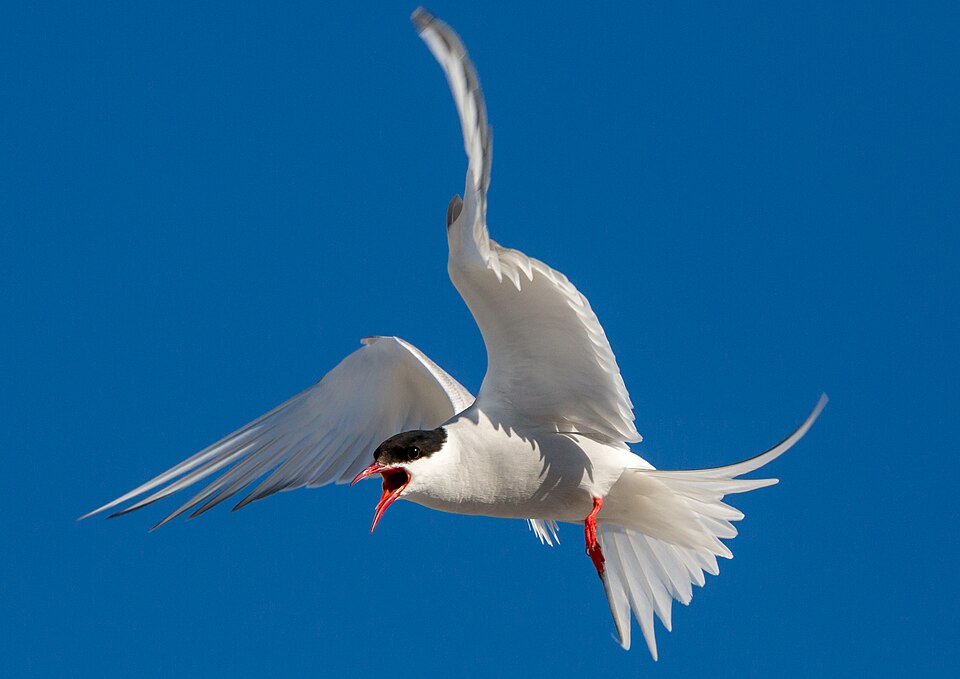 trinta-réis-ártico
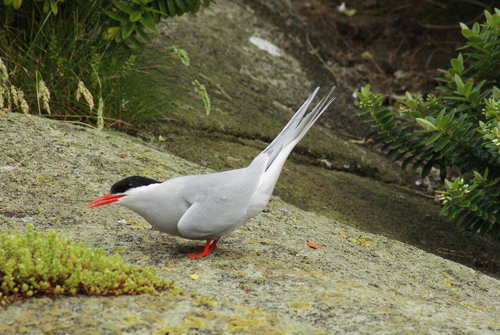 trinta-réis-antártico
Em resumo
A marca de campo mais confiável entre o trinta-réis-ártico e o trinta-réis-antártico é o padrão da asa superior e a cor do bico em adultos e juvenis, mas a idade e a estação devem ser consideradas. Os juvenis de trinta-réis-ártico mostram uma barra carpiana escura distinta e uma asa superior 'escamosa', enquanto os juvenis de trinta-réis-antártico têm manchas marrom-amareladas e não possuem a forte barra carpiana. Em adultos em reprodução, ambas as espécies são semelhantes, mas o trinta-réis-ártico é ligeiramente mais esguio, com um bico mais curto e pontas de asas mais translúcidas; o trinta-réis-antártico é mais robusto, com um bico mais pesado e longo. As aves não reprodutoras são melhor separadas pelo contexto, já que os trinta-réis-antárticos estão em plumagem de reprodução quando os trinta-réis-árticos estão em plumagem não reprodutora. A cor do bico e das pernas, o comprimento da cauda e diferenças sutis no padrão das asas são fundamentais, mas cuidado com a sobreposição e a necessidade de boas vistas.
Dicas de identificação
- Padrão da asa superior juvenil: Os juvenis de trinta-réis-ártico mostram uma forte barra carpiana escura e uma asa/manto escamoso; os juvenis de trinta-réis-antártico são mais manchados de marrom, sem a barra carpiana, com manchas marrom-amareladas.
- Cor do bico (adultos): Na estação de reprodução, o trinta-réis-ártico tem um bico mais curto, esguio e uniformemente vermelho-sangue; o bico do trinta-réis-antártico é mais pesado, longo e vermelho brilhante. Na não reprodução, o bico do trinta-réis-ártico escurece para um tom escuro, enquanto o do trinta-réis-antártico torna-se vermelho-escuro opaco.
- Cor e comprimento das pernas: Ambos têm pernas vermelhas em plumagem de reprodução, mas as do trinta-réis-ártico são mais curtas e escuras; as do trinta-réis-antártico são mais brilhantes e longas. Na não reprodução, as pernas de ambas as espécies escurecem, mas as do trinta-réis-antártico permanecem vermelho opaco.
- Forma e comprimento da cauda: As correntes da cauda do trinta-réis-ártico são mais longas e mais profundamente bifurcadas, especialmente em adultos. A cauda do trinta-réis-antártico também é profundamente bifurcada, mas parece mais curta e menos delicada.
- Padrão da ponta da asa (adultos): O trinta-réis-ártico mostra margens pretas mais proeminentes nas primárias externas e uma área mais translúcida perto da ponta da asa. As pontas das asas do trinta-réis-antártico são menos translúcidas e não possuem a forte margem preta.
- Estrutura do corpo: O trinta-réis-ártico é mais esguio e mais delicado; o trinta-réis-antártico é mais robusto e de corpo mais pesado, com um bico e cabeça mais robustos.
- Contexto sazonal: No verão do hemisfério sul, o trinta-réis-antártico está em plena plumagem de reprodução, enquanto o trinta-réis-ártico (se presente) está em plumagem não reprodutora. Use isso a seu favor se souber a época do ano e a localização.
- Padrão facial (não-reprodução): O trinta-réis-ártico perde a maior parte de sua touca preta, mantendo uma testa branca; a touca do trinta-réis-antártico recua para uma faixa preta atrás do olho.
- Face e partes inferiores juvenis: Os juvenis de trinta-réis-ártico têm uma coroa frontal mais branca e partes inferiores cinza pálido; os juvenis de trinta-réis-antártico têm uma barriga e peito marrom-amarelados.
- Habitat e distribuição: O trinta-réis-ártico é encontrado no hemisfério norte durante a reprodução, enquanto o trinta-réis-antártico apenas nos oceanos do sul. Se visto no Ártico ou subárctico, é um trinta-réis-ártico; se em ilhas antárticas, verifique a plumagem e a estação.
- Estilo de voo: O trinta-réis-ártico parece mais flutuante e agitado, com correntes de cauda mais longas; o trinta-réis-antártico é mais robusto em voo.
- Vocalizações: O chamado do trinta-réis-ártico é nasal e áspero; o do trinta-réis-antártico é mais agudo e trinado, mas isso é sutil e melhor utilizado com experiência.
- Tamanho da colônia: O trinta-réis-ártico frequentemente faz ninhos em colônias maiores; o trinta-réis-antártico geralmente em grupos menores ou em pares, embora grandes colônias também ocorram.
- Armadilha: Adultos não reprodutores de ambas as espécies podem parecer semelhantes; use a estrutura, a cor do bico/pernas e o contexto para separação.
- Variação de subespécies: O trinta-réis-antártico mostra alguma variação em tamanho e tom de plumagem por subespécie, mas essas são sutis e geralmente não são diagnósticas em campo.
Tamanho
O trinta-réis-antártico é consistentemente mais pesado (média de 139 g) do que o trinta-réis-ártico (média de 114 g) [wikidata]. O trinta-réis-antártico também é ligeiramente mais longo (35–40 cm vs. 33–36 cm), mas tem uma envergadura ligeiramente mais curta (74–79 cm vs. 76–85 cm). No campo, o trinta-réis-antártico frequentemente parece mais robusto e sólido, especialmente no corpo e no bico, enquanto o trinta-réis-ártico parece mais esguio e delicado. Essas diferenças são sutis e podem ser difíceis de julgar, a menos que ambas as espécies sejam vistas juntas.
Plumagem
- Juvenis/imaturos:
- Trinta-réis-ártico: Mostra uma barra carpiana escura distinta na asa superior, aparência 'escamosa' no manto e asas devido às pontas das penas escuras, bico e pernas pretas, correntes de cauda curtas e uma coroa frontal mais branca no primeiro verão. A asa superior é cinza pálido com uma área translúcida perto da ponta.
- Trinta-réis-antártico: Os juvenis têm manchas marrom-amareladas, cinzas e brancas nas costas, barriga e peito marrom-amarelados, bico preto opaco e pernas vermelhas opacas. Não há menção de uma forte barra carpiana ou padrão de asa superior escamoso. A impressão geral é mais manchada e marrom do que a dos juvenis de trinta-réis-ártico.
- Adultos (reprodução):
- Ambos têm partes superiores cinza pálido, bochechas brancas, touca preta e cauda branca profundamente bifurcada. O trinta-réis-ártico tem um bico e pés vermelho-sangue, pernas mais curtas e uma área mais translúcida perto da ponta da asa; o trinta-réis-antártico tem um bico e pernas mais pesados, longos e vermelhos brilhantes, e é mais robusto no geral. As primárias externas do trinta-réis-ártico têm margens pretas mais proeminentes.
- Adultos (não-reprodução):
- Trinta-réis-ártico: A coroa torna-se mais branca, bico e pernas escurecem para um tom escuro.
- Trinta-réis-antártico: A touca preta é reduzida a uma faixa atrás do olho, o bico torna-se vermelho-escuro opaco, partes inferiores mais claras.
- Diferença chave: O trinta-réis-antártico está em plumagem de reprodução durante o verão do hemisfério sul, quando o trinta-réis-ártico está em plumagem não reprodutora, portanto, o contexto e a estação são importantes.
Comportamento
Ambas as espécies são voadoras ágeis e flutuantes, com um voo gracioso e semelhante ao das andorinhas. O trinta-réis-ártico é famoso por sua migração de longa distância extrema, enquanto o trinta-réis-antártico é mais sedentário, permanecendo perto de seus locais de reprodução durante todo o ano. O trinta-réis-antártico é frequentemente visto em pequenas colônias soltas ou como pares isolados, enquanto o trinta-réis-ártico pode formar grandes colônias. Em voo, o trinta-réis-ártico pode parecer mais delicado e flutuante, com correntes de cauda mais longas e um estilo de voo mais agitado, enquanto o trinta-réis-antártico pode parecer mais robusto.
Habitat
O trinta-réis-ártico reproduz-se no alto Ártico e subárctico, frequentemente em tundra, costas rochosas ou ilhas, e migra para a Antártica durante o verão do hemisfério sul. O trinta-réis-antártico é residente nos oceanos do sul, reproduzindo-se em pequenas ilhas e nas costas do continente antártico, frequentemente em penhascos, morenas ou praias. Se visto no hemisfério norte fora da Antártica, é quase certamente um trinta-réis-ártico; no extremo sul, verifique a plumagem e a estação cuidadosamente.
Voz
O trinta-réis-ártico emite um chamado nasal e áspero, especialmente em alarme ou exibição, que é distinto dos chamados mais agudos e trinado 'trr-trr-kriah' e 'chrrrr' do trinta-réis-antártico. No entanto, os chamados são semelhantes o suficiente para que não sejam a marca de campo mais confiável, a menos que sejam bem conhecidos.
trinta-réis-ártico · trinta-réis-antártico · Minhas aves difíceis