

Charrán Ártico vs Charrán Antártico
Sterna paradisaea frente a Sterna vittata
Juega un quiz con Charrán Ártico y Charrán Antártico
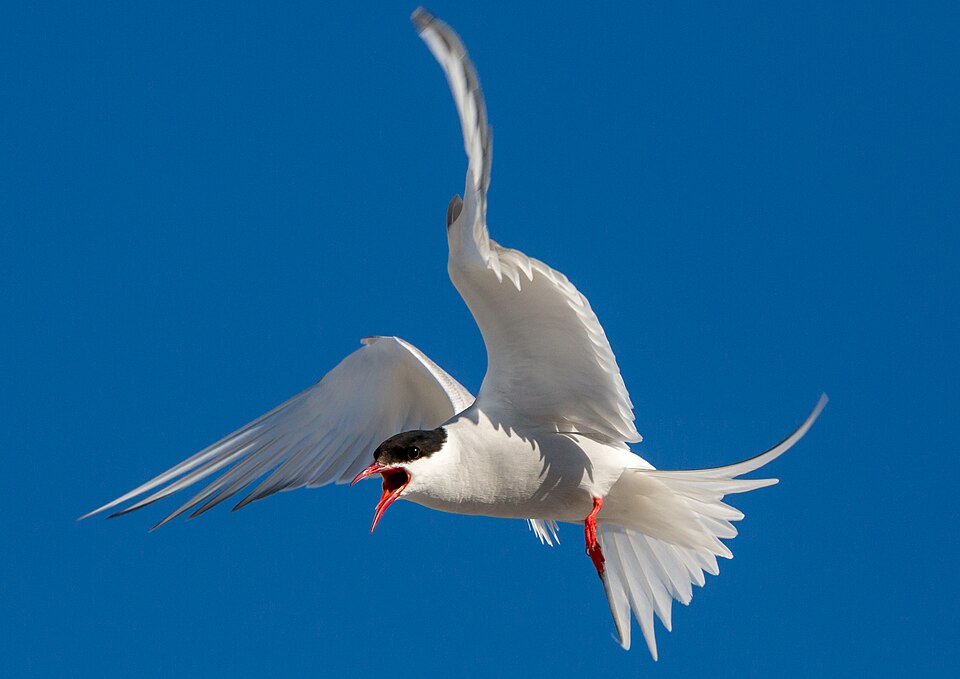 Charrán Ártico
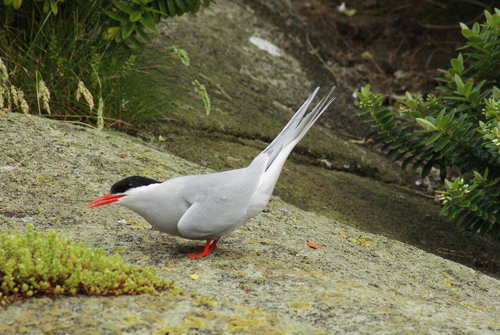 Charrán Antártico
En breve
La marca de campo más confiable entre el Charrán Ártico y el Charrán Antártico es el patrón del ala superior y el color del pico en adultos y juveniles, pero se debe considerar la edad y la temporada. Los Charranes Árticos juveniles muestran una distintiva barra carpiana oscura y un ala superior 'escamosa', mientras que los Charranes Antárticos juveniles tienen manchas marrón amarillentas y carecen de la fuerte barra carpiana. En adultos en cría, ambas especies son similares, pero el Charrán Ártico es ligeramente más delgado con un pico más corto y puntas de alas más translúcidas; el Charrán Antártico es más robusto con un pico más pesado y largo. Las aves no reproductoras se separan mejor por contexto, ya que los Charranes Antárticos están en plumaje de cría cuando los Charranes Árticos están en plumaje no reproductor. El color del pico y las patas, la longitud de la cola y las diferencias sutiles en el patrón del ala son clave, pero cuidado con la superposición y la necesidad de buenas vistas.
Consejos de identificación
- Patrón del ala superior juvenil: Los juveniles de Charrán Ártico muestran una fuerte barra carpiana oscura y un ala/manto escamoso; los juveniles de Charrán Antártico son más moteados marrón, careciendo de la barra carpiana, con manchas marrón amarillentas.
- Color del pico (adultos): En la temporada de cría, el Charrán Ártico tiene un pico más corto, esbelto y uniformemente rojo sangre; el pico del Charrán Antártico es más pesado, largo y rojo brillante. En no cría, el pico del Charrán Ártico se oscurece a negro, el del Charrán Antártico se vuelve rojo negro apagado.
- Color y longitud de las patas: Ambos tienen patas rojas en plumaje de cría, pero las del Charrán Ártico son más cortas y oscuras; las del Charrán Antártico son más brillantes y largas. En no cría, las patas de ambas especies se oscurecen, pero las del Charrán Antártico permanecen rojo apagado.
- Forma y longitud de la cola: Las streamers de la cola del Charrán Ártico son más largas y más profundamente bifurcadas, especialmente en adultos. La cola del Charrán Antártico también está profundamente bifurcada pero parece más corta y menos delicada.
- Patrón de la punta del ala (adultos): El Charrán Ártico muestra márgenes negros más prominentes en las primarias externas y un área más translúcida cerca de la punta del ala. Las puntas de las alas del Charrán Antártico son menos translúcidas y carecen del fuerte margen negro.
- Estructura corporal: El Charrán Ártico es más delgado y delicado; el Charrán Antártico es más robusto y de cuerpo más pesado, con un pico y cabeza más robustos.
- Contexto estacional: En el verano del hemisferio sur, el Charrán Antártico está en plumaje de cría completo mientras que el Charrán Ártico (si está presente) está en plumaje no reproductor. Usa esto a tu favor si conoces la época del año y la ubicación.
- Patrón facial (no cría): El Charrán Ártico pierde la mayor parte de su gorra negra, manteniendo una frente blanca; la gorra del Charrán Antártico retrocede a una banda negra detrás del ojo.
- Cara y partes inferiores juveniles: Los juveniles de Charrán Ártico tienen una coronita más blanca y partes inferiores gris pálido; los juveniles de Charrán Antártico tienen un vientre y pecho marrón amarillento.
- Hábitat y rango: El Charrán Ártico se encuentra en el hemisferio norte durante la cría, el Charrán Antártico solo en los océanos del sur. Si se ve en el Ártico o subártica, es Charrán Ártico; si en islas antárticas, verifica plumaje y temporada.
- Estilo de vuelo: El Charrán Ártico parece más ligero y aleteante, con streamers de cola más largas; el Charrán Antártico es más robusto en vuelo.
- Vocalizaciones: El llamado del Charrán Ártico es nasal y áspero; el del Charrán Antártico es más agudo y trino, pero esto es sutil y se utiliza mejor con experiencia.
- Tamaño de la colonia: El Charrán Ártico a menudo anida en colonias más grandes; el Charrán Antártico generalmente en grupos más pequeños o parejas, aunque ocurren colonias grandes.
- Trampa: Los adultos no reproductores de ambas especies pueden parecer similares; usa la estructura, el color del pico/patas y el contexto para la separación.
- Variación de subespecies: El Charrán Antártico muestra cierta variación en tamaño y tono de plumaje por subespecies, pero estas son sutiles y no suelen ser diagnósticas en el campo.
Tamaño
El Charrán Antártico es consistentemente más pesado (promedio 139 g) que el Charrán Ártico (promedio 114 g) [wikidata]. El Charrán Antártico también es ligeramente más largo (35–40 cm vs. 33–36 cm) pero tiene una envergadura ligeramente más corta (74–79 cm vs. 76–85 cm). En el campo, el Charrán Antártico a menudo parece más robusto y fuerte, especialmente en el cuerpo y el pico, mientras que el Charrán Ártico se ve más esbelto y delicado. Estas diferencias son sutiles y pueden ser difíciles de juzgar a menos que ambas especies se vean juntas.
Plumaje
- Juveniles/inmaduros:
- Charrán Ártico: Muestra una distintiva barra carpiana oscura en el ala superior, apariencia 'escamosa' en el manto y alas debido a las puntas de plumas oscuras, pico y patas negras, streamers de cola cortos, y una coronita más blanca en el primer verano. El ala superior es gris pálido con un área translúcida cerca de la punta.
- Charrán Antártico: Los juveniles tienen manchas marrón amarillentas, grises y blancas en la espalda, vientre y pecho marrón amarillento, pico negro apagado, y patas rojas apagadas. No se menciona una fuerte barra carpiana o patrón de ala superior escamoso. La impresión general es más moteada y marrón que los juveniles de Charrán Ártico.
- Adultos (cría):
- Ambos tienen partes superiores gris pálido, mejillas blancas, gorra negra, y cola blanca profundamente bifurcada. El Charrán Ártico tiene un pico y patas rojo sangre, patas más cortas, y un área más translúcida cerca de la punta del ala; el Charrán Antártico tiene un pico y patas más pesados, largos y rojos brillantes, y es más robusto en general. Las primarias externas del Charrán Ártico tienen márgenes negros más prominentes.
- Adultos (no cría):
- Charrán Ártico: La corona se vuelve más blanca, el pico y las patas se oscurecen a negro.
- Charrán Antártico: La gorra negra se reduce a una banda detrás del ojo, el pico se vuelve rojo negro apagado, y las partes inferiores son más pálidas.
- Diferencia clave: El Charrán Antártico está en plumaje de cría durante el verano del hemisferio sur cuando el Charrán Ártico está en plumaje no reproductor, por lo que el contexto y la temporada son importantes.
Comportamiento
Ambas especies son voladores ágiles y ligeros con un vuelo elegante y similar al de los charranes. El Charrán Ártico es famoso por su migración de larga distancia extrema, mientras que el Charrán Antártico es más sedentario, permaneciendo cerca de sus áreas de cría durante todo el año. El Charrán Antártico a menudo se ve en pequeñas colonias sueltas o como parejas aisladas, mientras que el Charrán Ártico puede formar grandes colonias. En vuelo, el Charrán Ártico puede parecer más delicado y ligero, con streamers de cola más largas y un estilo de vuelo más aleteante, mientras que el Charrán Antártico puede verse más robusto.
Hábitat
El Charrán Ártico cría en el alto Ártico y subártica, a menudo en tundra, costas rocosas o islas, y migra a la Antártida para el verano del hemisferio sur. El Charrán Antártico es residente alrededor de los océanos del sur, criando en pequeñas islas y costas del continente antártico, a menudo en acantilados, morrenas o playas. Si se ve en el hemisferio norte fuera de la Antártida, es casi seguro que es un Charrán Ártico; en el extremo sur, verifica cuidadosamente el plumaje y la temporada.
Voz
El Charrán Ártico emite un llamado nasal y áspero, especialmente en alarma o exhibición, que es distinto de los llamados más agudos y trinos 'trr-trr-kriah' y 'chrrrr' del Charrán Antártico. Sin embargo, los llamados son lo suficientemente similares como para que no sean la marca de campo más confiable a menos que se conozcan bien.