

toutinegra-do-mar-vermelho vs toutinegra-do-levante
Curruca leucomelaena versus Curruca ruppeli
Jogue um quiz com toutinegra-do-mar-vermelho e toutinegra-do-levante
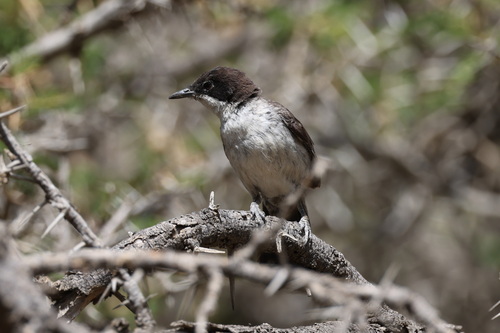 toutinegra-do-mar-vermelho
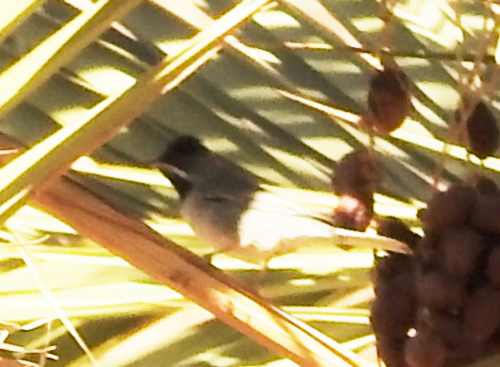 toutinegra-do-levante
Em resumo
A marca de campo mais confiável entre a toutinegra-do-mar-vermelho e a toutinegra-do-levante é o padrão da cabeça e da garganta em machos adultos: os machos da toutinegra-do-mar-vermelho apresentam uma capuz e cauda marrom-escura com um anel ocular branco, enquanto os machos da toutinegra-do-levante têm uma cabeça e garganta pretas marcantes, nitidamente divididas por uma 'moustache' branca (faixa malar). As fêmeas de ambas podem ser confusas, mas as fêmeas da toutinegra-do-mar-vermelho têm um capuz e cauda marrom-chocolate e um anel ocular menos óbvio, enquanto as fêmeas da toutinegra-do-levante têm uma cabeça mais cinza e uma garganta mais clara. A toutinegra-do-mar-vermelho é maior e com cauda mais longa, frequentemente vista em arbustos secos de acácia, enquanto a toutinegra-do-levante é mais esbelta e se reproduz em arbustos mediterrâneos. As plumagens juvenis e imaturas não são descritas em detalhes para nenhuma das espécies, então o padrão da cabeça do macho adulto é a marca de campo mais segura. A estrutura e o habitat também podem ajudar, mas cuidado com a sobreposição em fêmeas apagadas.
Dicas de identificação
- Padrão da cabeça e garganta do macho adulto: Os machos da toutinegra-do-mar-vermelho têm um capuz e cauda marrom-escura com um anel ocular branco; os machos da toutinegra-do-levante têm uma cabeça e garganta pretas com uma faixa malar branca nítida ('moustache'). Esta é a marca mais confiável em machos adultos.
- Plumagem feminina: A fêmea da toutinegra-do-mar-vermelho tem um capuz e cauda marrom-chocolate e um anel ocular menos óbvio, enquanto a fêmea da toutinegra-do-levante tem uma cabeça mais cinza com uma garganta clara e um dorso cinza com um tom acastanhado. Isso é sutil e pode ser confuso em luz fraca.
- Estrutura da cauda e comportamento: A toutinegra-do-mar-vermelho tem uma cauda longa e graduada que frequentemente balança para baixo; a toutinegra-do-levante tem uma cauda mais curta e menos graduada e não mostra o mesmo comportamento de balançar a cauda.
- Tamanho e forma geral: A toutinegra-do-mar-vermelho é maior e mais robusta com uma postura ereta; a toutinegra-do-levante é mais esbelta e delicada.
- Cor dos olhos: A toutinegra-do-levante tem olhos vermelhos (em adultos), o que pode ser uma marca útil a curta distância; o anel ocular da toutinegra-do-mar-vermelho é branco e mais conspícuo em machos.
- Cor das partes superiores: A toutinegra-do-mar-vermelho é marrom-cinzentada por cima; a toutinegra-do-levante é cinza simples com um tom acastanhado (especialmente em fêmeas).
- Partes inferiores: Ambas são cinza pálido por baixo, mas a garganta da toutinegra-do-mar-vermelho é esbranquiçada e mais nitidamente separada do capuz em machos.
- Habitat: A toutinegra-do-mar-vermelho está quase sempre em arbustos secos de acácia ou savana; a toutinegra-do-levante prefere arbustos mediterrâneos ou maquis. Use o habitat como uma pista de apoio forte.
- Canto: O canto da toutinegra-do-mar-vermelho é um warble curto, melodioso e semelhante ao canto de um tordo; o da toutinegra-do-levante é um rattle mais lento e profundo. Ouça com atenção se o pássaro estiver cantando.
- Chamado de alarme: A toutinegra-do-mar-vermelho emite 'chack's silenciosos; o chamado de alarme da toutinegra-do-levante não é descrito aqui, então use com cautela.
- Postura empoleirada: A toutinegra-do-mar-vermelho frequentemente se senta mais ereta do que a toutinegra-do-levante.
- Distribuição geográfica: A toutinegra-do-mar-vermelho é encontrada na Península Arábica e no nordeste da África; a toutinegra-do-levante se reproduz no sudeste da Europa e migra para o nordeste da África. Considere a localização, especialmente fora dos períodos de migração.
- Armadilhas de sexagem: Fêmeas e pássaros não reprodutores são muito mais difíceis de separar; confie na estrutura, cauda e habitat se o padrão da cabeça não estiver claro.
- Plumagem imatura/juvenil: Nenhuma marca diagnóstica é descrita para nenhuma das espécies, então tenha cautela com pássaros jovens.
- Bandos mistos: Se ambas as espécies estiverem presentes (raramente), concentre-se no padrão da cabeça, comprimento da cauda e comportamento para separação.
Tamanho
A toutinegra-do-mar-vermelho é uma toutinegra Curruca notavelmente grande, com cerca de 14,5 cm de comprimento, com uma cauda longa e graduada e postura ereta. A toutinegra-do-levante é semelhante em tamanho a outras toutinegras Curruca, mas mais esbelta do que a toutinegra-dos-valados, com uma cauda menos proeminente. Em comparação direta, a toutinegra-do-mar-vermelho parece mais robusta e com cauda mais longa, enquanto a toutinegra-do-levante é mais esbelta no geral.
Plumagem
Não há informações detalhadas disponíveis para padrões de asas superiores juvenis ou imaturos em nenhuma das espécies, então a separação depende da plumagem adulta.
- Macho adulto da toutinegra-do-mar-vermelho: capuz e cauda marrom-escura, anel ocular branco, partes superiores marrom-cinzentadas, garganta esbranquiçada, partes inferiores cinza pálido.
- Macho adulto da toutinegra-do-levante: cabeça e garganta pretas, nitidamente divididas por uma faixa malar branca ('moustache'), dorso cinza simples, partes inferiores cinza mais claro, olhos vermelhos.
- Fêmea da toutinegra-do-mar-vermelho: capuz e cauda marrom-chocolate, anel ocular menos conspícuo, de resto semelhante ao macho.
- Fêmea da toutinegra-do-levante: cabeça cinza (não preta), garganta clara, dorso cinza com tom acastanhado.
A principal diferença é o padrão da cabeça e da garganta, especialmente em machos. As fêmeas são mais sutis, mas os tons marrons da toutinegra-do-mar-vermelho e a cauda contrastam com a aparência mais cinza e menos contrastante da toutinegra-do-levante.
Comportamento
A toutinegra-do-mar-vermelho frequentemente se empoleira ereta e balança sua longa cauda graduada para baixo, uma característica comportamental distinta. Ela é tipicamente encontrada em áreas de acácia e savana seca, frequentemente se movendo metódicamente através de árvores e arbustos baixos. A toutinegra-do-levante se comporta mais como uma típica toutinegra Curruca, movendo-se rapidamente e ativamente através de arbustos mediterrâneos, e não mostra o mesmo balançar pronunciado da cauda. Ambas podem cantar de poleiros expostos, mas a toutinegra-do-mar-vermelho é mais provável de ser vista em paisagens abertas e áridas.
Habitat
A toutinegra-do-mar-vermelho é encontrada em regiões áridas e secas de savana, especialmente em habitats dominados por acácia na Península Arábica e no nordeste da África. A toutinegra-do-levante se reproduz em arbustos mediterrâneos e maquis no sudeste da Europa e migra para o nordeste da África durante o inverno. Se você estiver em uma área de acácia seca na Arábia ou no nordeste da África, a toutinegra-do-mar-vermelho é muito mais provável; em arbustos mediterrâneos na Grécia ou na Turquia, a toutinegra-do-levante é esperada. O habitat é uma pista forte, mas há alguma sobreposição nos locais de invernada.
Voz
O canto da toutinegra-do-mar-vermelho é um warble curto, melodioso e semelhante ao canto de um tordo, geralmente entregue de um poleiro elevado. Seu chamado de alarme é uma série de 'chack's silenciosos. A toutinegra-do-levante tem um rattle mais lento e profundo para seu canto, distinto do warble mais musical da toutinegra-do-mar-vermelho. Se você ouvir um canto rico e borbulhante, pense na toutinegra-do-mar-vermelho; um canto mais lento e rattle aponta para a toutinegra-do-levante.
toutinegra-do-mar-vermelho · toutinegra-do-levante · Minhas aves difíceis