

zaragateiro-árabe vs wattled starling
Argya squamiceps versus Creatophora cinerea
Jogue um quiz com zaragateiro-árabe e wattled starling
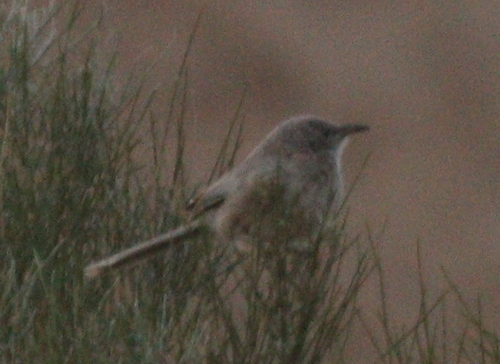 zaragateiro-árabe
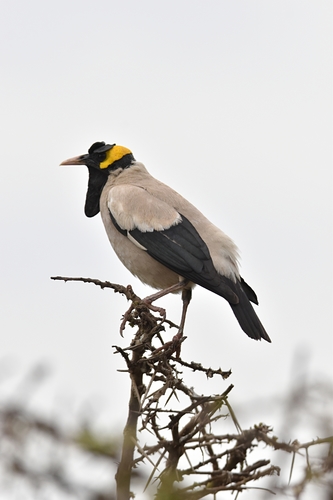 wattled starling
Em resumo
A marca de campo mais confiável para separar o zaragateiro-árabe do wattled starling é a impressionante rabadilha branca e penas de voo e cauda pretas do último, que são óbvias em voo em todas as idades. Zaragateiros-árabes são maiores, com cauda mais longa e de cor cinza-marrom uniforme com listras escuras acima e uma garganta esbranquiçada, sem qualquer rabadilha branca ou preto nas asas ou cauda. Wattled Starlings, especialmente os machos em reprodução, apresentam um rosto amarelo nu e wattles pretos distintos, mas mesmo os pássaros não-reprodutores e juvenis mantêm a rabadilha branca e as asas escuras contrastantes em voo. A estrutura, o comprimento da cauda e o habitat também ajudam: zaragateiros são magros, de cauda longa e terrestres, enquanto os starlings são de cauda curta, compactos e frequentemente se reúnem em áreas abertas.
Dicas de identificação
- Rabadilha branca em voo (todas as idades, wattled starling apenas): Se você ver um pássaro com uma rabadilha branca brilhante e asas/cauda pretas em voo, é um wattled starling. Zaragateiros-árabes nunca mostram esse padrão; seu voo é uniformemente marronzado.
- Rosto amarelo nu e wattles pretos do macho em reprodução do wattled starling: Apenas os machos em reprodução mostram a pele facial amarela completa e wattles pretos na testa e garganta. Nenhum zaragateiro mostra pele facial nua ou wattles.
- Mancha branca no ombro (macho em reprodução do wattled starling): Uma mancha branca ousada no ombro está presente em machos em reprodução, às vezes fraca em fêmeas mais velhas. Zaragateiros nunca mostram isso.
- Mancha amarela no rosto do wattled starling não-reprodutor/juvenil: Machos não-reprodutores, fêmeas e juvenis têm uma pequena mancha amarela atrás do olho, nunca vista em zaragateiros.
- Plumagem marrom listrada do zaragateiro-árabe: Zaragateiros são cinza-marrom acima com listras escuras, mais claros abaixo, e uma garganta esbranquiçada. Sem contrastes fortes, sem rabadilha branca e sem preto nas asas ou cauda.
- Comprimento e forma da cauda: Zaragateiros-árabes têm uma cauda longa e arredondada, frequentemente mantida ereta ou aberta. Wattled Starlings têm uma cauda curta, dando uma aparência compacta.
- Forma do bico: Zaragateiros têm um bico bastante longo e curvado; wattled starlings têm um bico mais curto e reto, típico de starlings.
- Pernas e postura: Zaragateiros têm pernas fortes e andam ou correm no chão; starlings empoleiram-se mais e são menos terrestres.
- Tamanho do grupo e comportamento: Zaragateiros estão em pequenos grupos estáveis, frequentemente vistos forrageando juntos no chão. Starlings formam grandes bandos barulhentos, frequentemente misturando-se com outras espécies e empoleirando-se em árvores ou fios.
- Habitat: Zaragateiros estão em arbustos áridos/borda do deserto; starlings estão em pastagens abertas, cultivo ou com gado.
- Vocalizações: Ouça por conversas e trilos (zaragateiro) versus 'ssreeeeo' áspero e ofegante (starling).
- Distribuição geográfica: Zaragateiros-árabes são do Oriente Médio; wattled starlings são africanos, mas vagantes podem ocorrer.
- Impressão de tamanho: Zaragateiros são maiores e mais magros; starlings são menores e mais compactos.
- Estilo de voo: Zaragateiros voam baixo e fraco, frequentemente apenas curtas distâncias; starlings têm um voo forte e direto com asas pontudas.
- Armadilhas de plumagem: Wattled Starlings juvenis e não-reprodutores podem parecer simples quando empoleirados, mas sempre mostram a rabadilha branca e as asas/cauda escuras em voo — verifique os pássaros em voo para esse contraste.
Tamanho
O zaragateiro-árabe é o pássaro maior e mais longo, medindo 26–29 cm de comprimento com uma envergadura de 31–33,5 cm, e pesando 64–87,9 g. O wattled starling é menor e mais compacto, com cerca de 21 cm de comprimento e 73 g. A cauda longa do zaragateiro e suas proporções magras contrastam com a cauda curta e as asas pontudas do starling. No campo, o zaragateiro parece visivelmente maior e mais alongado, especialmente quando empoleirado.
Plumagem
-
Wattled Starlings juvenis e não-reprodutores: Sempre mostram uma rabadilha branca e penas de voo e cauda escuras (de marrom a preto) contrastantes, que são diagnósticas em voo. O restante da plumagem é principalmente cinza, com uma mancha branca no ombro reduzida ou ausente, e a cabeça é plumosa, exceto por uma pequena mancha amarela atrás do olho. Juvenis e fêmeas se assemelham a machos não-reprodutores, mas sempre mantêm a rabadilha branca e as asas/cauda escuras.
-
Wattled Starlings machos em reprodução: Adicionam uma pele facial amarela nua impressionante, wattles pretos na testa e garganta, e uma mancha branca ousada no ombro. Essas características são únicas e inconfundíveis quando presentes.
-
Zaragateiros-árabes (todas as idades e sexos): Uniformemente cinza-marrom acima com listras escuras nas costas, mais claros abaixo, e uma garganta esbranquiçada. Sem rabadilha branca, sem preto nas asas ou cauda, e sem pele nua ou wattles. A plumagem é simples e carece de qualquer forte contraste, mesmo em voo.
-
Em voo: A rabadilha branca e as asas/cauda pretas do wattled starling são sempre visíveis e diagnósticas. O zaragateiro-árabe não mostra tal contraste, aparecendo uniformemente marronzado.
Comportamento
Os zaragateiros-árabes são altamente sociais, mas normalmente se movem em pequenos grupos familiares estáveis, forrageando principalmente no chão em arbustos áridos. Eles são terrestres, frequentemente correndo ou pulando com as caudas eretas e abertas. Os wattled starlings são muito mais gregários, formando grandes bandos, frequentemente com outros starlings, e são frequentemente vistos voando em áreas abertas ou empoleirando-se conspicuamente em fios e árvores. Starlings são mais aéreos e menos ligados ao chão do que os zaragateiros.
Habitat
Os zaragateiros-árabes são residentes de habitats de arbustos áridos e bordas de deserto no Oriente Médio, raramente aventurando-se em pastagens abertas ou cultivo. Os wattled starlings preferem pastagens, florestas abertas e áreas agrícolas no leste e sul da África, e raramente são encontrados em arbustos densos. Se você ver um pássaro em habitat seco e arbustivo, é mais provável que seja um zaragateiro; em campos abertos ou entre gado, o starling é favorecido.
Voz
Os zaragateiros-árabes produzem uma variedade de chamados, incluindo apitos, trilos e conversas, frequentemente dados em grupos sociais. Os wattled starlings têm uma gama de chamados ofegantes ou estridentes, sendo o mais familiar um 'ssreeeeo' prolongado, semelhante a outros starlings. Os chamados do starling são mais ásperos e mecânicos em comparação com as conversas do zaragateiro.