

Motmot

アラビアヤブチメドリ 対 トサカムクドリ

Argya squamiceps 対 Creatophora cinerea

アラビアヤブチメドリとトサカムクドリのクイズ
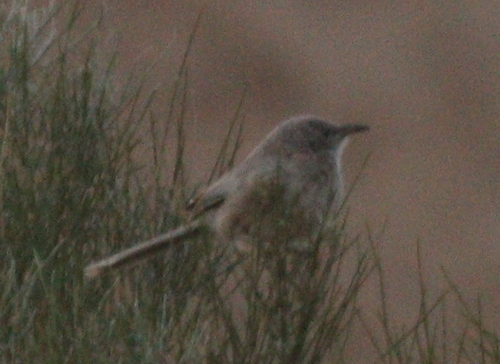
アラビアヤブチメドリ (Argya squamiceps) アラビアヤブチメドリ
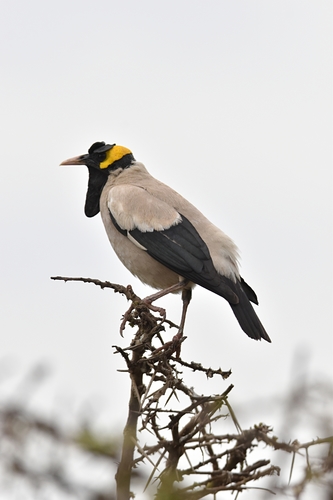
トサカムクドリ (Creatophora cinerea) トサカムクドリ

メディア

読み込み中…

要点

アラビアヤブチメドリとトサカムクドリを区別する最も信頼できるフィールドマークは、後者の目を引く白い尾羽と黒い飛行羽および尾であり、これはすべての年齢で飛行中に明らかです。アラビアヤブチメドリは、より大きく、尾が長く、均一な灰褐色で、上部に暗い筋があり、喉は白っぽく、白い尾羽や翼や尾に黒がありません。トサカムクドリ、特に繁殖期のオスは、特徴的な裸の黄色い顔と黒いトサカを示しますが、繁殖していない個体や幼鳥でも、飛行中に白い尾羽と対照的な暗い翼を保持します。構造、尾の長さ、そして生息地も役立ちます:ヤブチメドリは細長く、尾が長く、地上性であり、ムクドリは尾が短く、コンパクトで、しばしば開けた国で群れを成します。

識別のコツ

  1. 白い尾羽(すべての年齢、トサカムクドリのみ): 明るい白い尾羽と黒い翼/尾を持つ鳥を飛行中に見たら、それはトサカムクドリです。アラビアヤブチメドリはこのパターンを示しません;彼らの飛行は均一に褐色です。
  2. 繁殖期のオスのトサカムクドリの裸の黄色い顔と黒いトサカ: 繁殖期のオスのみが、額と喉に完全な黄色の顔の皮膚と黒いトサカを示します。ヤブチメドリは決して裸の顔の皮膚やトサカを示しません。
  3. 白い肩の斑点(繁殖期のオスのトサカムクドリ): 繁殖期のオスには大胆な白い肩の斑点があり、時には古い雌に弱く見られます。ヤブチメドリはこれを示しません。
  4. 繁殖していない/幼鳥のトサカムクドリの黄色い顔の斑点: 繁殖していないオス、雌、幼鳥は目の後ろに小さな黄色の斑点を持ち、ヤブチメドリでは見られません。
  5. アラビアヤブチメドリの単調で筋のある褐色の羽毛: ヤブチメドリは上部が灰褐色で暗い筋があり、下部はより淡く、喉は白っぽいです。強いコントラストはなく、白い尾羽もなく、翼や尾に黒もありません。
  6. 尾の長さと形: アラビアヤブチメドリは長く丸い尾を持ち、しばしば傾けられたり扇形に広げられたりします。トサカムクドリは短い尾を持ち、コンパクトな外観を与えます。
  7. くちばしの形: ヤブチメドリはかなり長く曲がったくちばしを持ち、トサカムクドリは短くまっすぐなくちばしを持ち、ムクドリに典型的です。
  8. 足と姿勢: ヤブチメドリは強い足を持ち、地面を歩いたり走ったりします;ムクドリはより多く止まり、地上性が少ないです。
  9. 群れのサイズと行動: ヤブチメドリは小さく安定した群れにいて、しばしば地面で一緒に餌を探すのが見られます。ムクドリは大きく騒がしい群れを形成し、しばしば他の種と混ざり、木やワイヤーに止まります。
  10. 生息地: ヤブチメドリは乾燥した低木/砂漠の縁に生息し、ムクドリは開けた草地、耕作地、または家畜と共にいます。
  11. 鳴き声: おしゃべりやトリル(ヤブチメドリ)に対し、厳しい喘ぎ声の「ssreeeeo」(ムクドリ)を聞いてください。
  12. 地理的範囲: アラビアヤブチメドリは中東に生息し、トサカムクドリはアフリカに生息しますが、迷鳥が発生することがあります。
  13. サイズの印象: ヤブチメドリはより大きく細長いです;ムクドリはより小さく、よりコンパクトです。
  14. 飛行スタイル: ヤブチメドリは低く弱々しく飛び、しばしば短い距離しか飛びません;ムクドリは強く、直接的な飛行をし、尖った翼を持ちます。
  15. 羽毛の落とし穴: 幼鳥と繁殖していないトサカムクドリは止まっているときは地味に見えるかもしれませんが、飛行中には常に白い尾羽と暗い翼/尾を示します — このコントラストを確認するために飛行中の鳥をチェックしてください。

大きさ

アラビアヤブチメドリはより大きく長い鳥で、長さは26〜29 cm、翼幅は31〜33.5 cm、体重は64〜87.9 gです。トサカムクドリは約21 cmの長さで、73 gとより小さくコンパクトです。ヤブチメドリの長い尾と全体的に細長い比率は、ムクドリの短い尾と尖った翼と対照的です。フィールドでは、ヤブチメドリは特に止まっているときに明らかに大きく、より細長く見えます。

羽色

行動

アラビアヤブチメドリは非常に社交的ですが、通常は小さく安定した家族群れで移動し、主に乾燥した低木の地面で餌を探します。彼らは地上性であり、しばしば尾を傾けたり扇形に広げたりしながら走ったり跳ねたりします。トサカムクドリははるかに群れを成し、しばしば他のムクドリと共に大きな群れを形成し、開けた国で飛んでいるのが頻繁に見られたり、ワイヤーや木に目立って止まったりします。ムクドリはより空中性であり、ヤブチメドリよりも地面に縛られていません。

生息環境

アラビアヤブチメドリは中東の乾燥した低木と砂漠の縁の生息地に住んでおり、開けた草地や耕作地にあまり出かけません。トサカムクドリは、東部および南部アフリカの草地、開けた森林、農業地域を好み、密な低木ではめったに見られません。乾燥した低木の生息地で鳥を見た場合、ヤブチメドリの可能性が高く、開けた野原や家畜の中ではムクドリが好まれます。

声

アラビアヤブチメドリは、ホイッスル、トリル、おしゃべりなど、さまざまな鳴き声を出し、しばしば社会的な群れで行われます。トサカムクドリは、喘ぎ声やきしむような鳴き声の範囲を持ち、最もよく知られているのは引き延ばされた「ssreeeeo」で、他のムクドリを思い起こさせます。ムクドリの鳴き声は、ヤブチメドリのおしゃべりに比べてより厳しく、機械的です。

より良い説明を送る

比較と同じ項目を使ってください。文章はすぐに公開されます。

The most reliable field mark to separate Arabian Babbler from Wattled Starling is the latter’s striking white rump and black flight feathers and tail, which are obvious in flight at all ages. Arabian Babblers are larger, longer-tailed, and uniformly grey-brown with dark streaks above and a whitish throat, lacking any white rump or black in the wings or tail. Wattled Starlings, especially breeding males, show a distinctive bare yellow face and black wattles, but even non-breeding and juvenile birds retain the white rump and contrasting dark wings in flight. Structure, tail length, and habitat also help: babblers are lanky, long-tailed, and terrestrial, while starlings are short-tailed, compact, and often flock in open country.

  1. White rump in flight (all ages, Wattled Starling only): If you see a bird with a bright white rump and black wings/tail in flight, it is a Wattled Starling. Arabian Babblers never show this pattern; their flight is uniformly brownish.
  2. Breeding male Wattled Starling’s bare yellow face and black wattles: Only breeding males show the full yellow facial skin and black wattles on the forehead and throat. No babbler ever shows bare facial skin or wattles.
  3. White shoulder patch (breeding male Wattled Starling): A bold white shoulder patch is present on breeding males, sometimes weakly on old females. Babblers never show this.
  4. Non-breeding/juvenile Wattled Starling’s yellow face patch: Non-breeding males, females, and juveniles have a small yellow patch behind the eye, never seen in babblers.
  5. Arabian Babbler’s plain, streaked brown plumage: Babblers are grey-brown above with dark streaks, paler below, and a whitish throat. No strong contrasts, no white rump, and no black in the wings or tail.
  6. Tail length and shape: Arabian Babblers have a long, rounded tail often held cocked or fanned. Wattled Starlings have a short tail, giving a compact look.
  7. Bill shape: Babblers have a fairly long, curved bill; Wattled Starlings have a shorter, straighter bill typical of starlings.
  8. Legs and stance: Babblers have strong legs and walk or run on the ground; starlings perch more and are less terrestrial.
  9. Group size and behavior: Babblers are in small, stable groups, often seen foraging together on the ground. Starlings form large, noisy flocks, often mixing with other species and perching in trees or on wires.
  10. Habitat: Babblers are in arid scrub/desert-edge; starlings are in open grassland, cultivation, or with livestock.
  11. Vocalizations: Listen for chattering and trills (babbler) versus harsh, wheezing 'ssreeeeo' (starling).
  12. Geographic range: Arabian Babblers are Middle Eastern; Wattled Starlings are African, but vagrants can occur.
  13. Size impression: Babblers are larger and lankier; starlings are smaller, more compact.
  14. Flight style: Babblers fly low and weakly, often only short distances; starlings have strong, direct flight with pointed wings.
  15. Plumage pitfalls: Juvenile and non-breeding Wattled Starlings may look plain when perched, but always show the white rump and dark wings/tail in flight — check birds in flight for this contrast.

Arabian Babbler is the larger and longer bird, measuring 26–29 cm in length with a wingspan of 31–33.5 cm, and weighing 64–87.9 g. Wattled Starling is smaller and more compact at about 21 cm long and 73 g. The babbler’s long tail and overall lanky proportions contrast with the starling’s short tail and pointed wings. In the field, the babbler appears noticeably bigger and more elongated, especially when perched.

  • Juvenile and non-breeding Wattled Starlings: Always show a white rump and contrasting dark (brown to black) flight feathers and tail, which are diagnostic in flight. The rest of the plumage is mainly grey, with a reduced or absent white shoulder patch, and the head is feathered except for a small yellow patch behind the eye. Juveniles and females resemble non-breeding males but always retain the white rump and dark wings/tail.

  • Breeding male Wattled Starlings: Add a striking bare yellow facial skin, black wattles on the forehead and throat, and a bold white shoulder patch. These features are unique and unmistakable when present.

  • Arabian Babblers (all ages and sexes): Uniformly grey-brown above with dark streaks on the back, paler below, and a whitish throat. No white rump, no black in the wings or tail, and no bare skin or wattles. The plumage is plain and lacks any strong contrast, even in flight.

  • In flight: Wattled Starling’s white rump and black wings/tail are always visible and diagnostic. Arabian Babbler shows no such contrast, appearing uniformly brownish.

Arabian Babblers are highly social but typically move in small, stable family groups, foraging mostly on the ground in arid scrub. They are terrestrial, often running or hopping with tails cocked and fanned. Wattled Starlings are much more gregarious, forming large flocks, often with other starlings, and are frequently seen flying in open country or perching conspicuously on wires and trees. Starlings are more aerial and less tied to the ground than babblers.

Arabian Babblers are residents of arid scrub and desert-edge habitats in the Middle East, rarely venturing into open grassland or cultivation. Wattled Starlings prefer grassland, open woodland, and agricultural areas in eastern and southern Africa, and are rarely found in dense scrub. If you see a bird in dry, bushy habitat, babbler is more likely; in open fields or among livestock, starling is favored.

Arabian Babblers produce a variety of calls including whistles, trills, and chattering, often given in social groups. Wattled Starlings have a range of wheezing or grating calls, with the most familiar being a drawn-out 'ssreeeeo', reminiscent of other starlings. The starling’s calls are harsher and more mechanical compared to the babbler’s chattering.

変更を破棄しますか?

保存していない編集があります。今離れると失われます。

アラビアヤブチメドリ · トサカムクドリ · 苦手な鳥