

abdim's stork vs african woolly-necked stork
Ciconia abdimii versus Ciconia microscelis
Jogue um quiz com abdim's stork e african woolly-necked stork
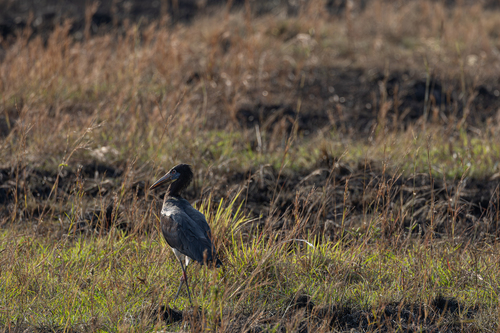 abdim's stork
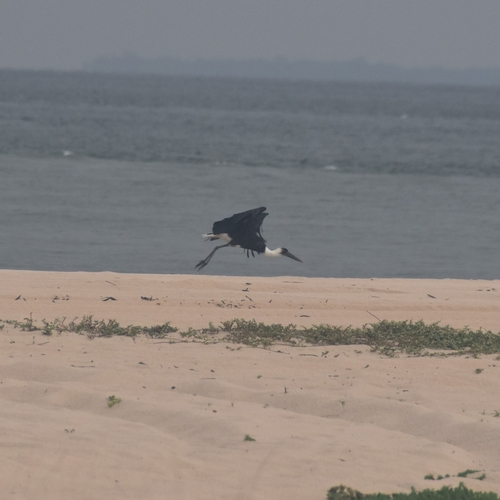 african woolly-necked stork
Em resumo
A marca de campo mais confiável entre abdim's stork e african woolly-necked stork é o pescoço contrastante: abdim's tem um pescoço escuro com uma barriga branca, enquanto o woolly-necked apresenta um pescoço branco fofinho e corpo preto. Os jovens woolly-necked storks têm uma testa plumosa, às vezes listrada, e uma marca branca na testa, enquanto os juvenis de abdim's se assemelham muito aos adultos, mas carecem dessas características. Abdim's é notavelmente menor e mais esbelto, com pernas cinzas e joelhos/pés vermelhos, enquanto o woolly-necked é mais robusto, com pernas vermelhas longas e um bico mais pesado, principalmente escuro. Em voo, o woolly-necked revela uma faixa brilhante de pele nua laranja-avermelhada sob a asa, ausente em abdim's. Ambos podem ocorrer em áreas abertas, mas o woolly-necked é mais frequentemente visto perto de zonas úmidas ou em mosaicos agrícolas.
Dicas de identificação
- Cor e textura do pescoço: O adulto woolly-necked stork sempre mostra um pescoço branco fofinho e peludo, contrastando com uma 'cabeça de crânio' preta e corpo. Abdim's stork tem um pescoço e cabeça pretos, sem o pescoço branco peludo.
- Testa juvenil: Os juvenis woolly-necked storks têm uma testa plumosa, às vezes listrada, e uma marca branca proeminente no centro da testa quando recém-empenados. Os juvenis de abdim's carecem dessas marcas e têm uma cabeça escura simples.
- Parte inferior da asa em voo: Quando o woolly-necked stork abre suas asas, uma faixa estreita de pele nua laranja-avermelhada é visível ao longo da parte inferior do antebraço—uma marca chamativa não presente em abdim's em nenhuma idade.
- Tamanho e forma do corpo: Abdim's é menor e mais esbelto, com uma construção mais delicada. Woolly-necked é maior, mais robusto, e tem um bico mais pesado e pernas mais longas.
- Cor das pernas: Abdim's stork tem pernas cinzas com joelhos e pés vermelhos. Woolly-necked stork tem pernas vermelhas longas por toda parte.
- Cor do bico: Abdim's tem um bico cinza; o bico do woolly-necked é escuro ou vermelho escuro com uma base preta, parecendo mais pesado e longo.
- Pele facial (época de reprodução): Os adultos de abdim's em condição de reprodução mostram pele facial vermelha na frente do olho e azul perto do bico. Woolly-necked não apresenta essa coloração da pele facial.
- Barriga e subcauda: Ambas as espécies têm branco na parte inferior da barriga e subcauda, mas no woolly-necked as coberturas do subcauda são longas e pretas, geralmente cobrindo a cauda branca. Em abdim's, as partes inferiores brancas são mais extensas e demarcadas nitidamente das partes superiores pretas.
- Forma da cauda: A cauda do woolly-necked é profundamente bifurcada e branca, mas isso geralmente é escondido por coberturas longas do subcauda e não é uma marca de campo confiável, a menos que vista bem.
- Estilo de voo: O woolly-necked pode realizar exibições de voo acrobáticas (rolando, tombando, mergulhos íngremes) e pode fazer um barulho alto com suas asas. Abdim's é mais direto em voo.
- Tamanho do grupo: Abdim's é frequentemente visto em bandos, especialmente ao forragear; woolly-necked é mais solitário ou em pequenos grupos.
- Contexto do habitat: Abdim's prefere áreas abertas e secas e é frequentemente visto longe da água. Woolly-necked é mais provável em ou perto de zonas úmidas, mosaicos agrícolas ou áreas arborizadas, mas também pode ser encontrado longe da água.
- Cor da íris: O woolly-necked tem uma íris de um vermelho profundo ou vinho, que pode ser visível de perto; isso não é notado para abdim's.
- Diferenças sexuais: Ambas as espécies são monomórficas sexualmente em plumagem, mas os machos de woolly-necked storks podem ser ligeiramente maiores.
- Vocalizações: Woolly-necked pode emitir assobios ou sons de chiado, especialmente no ninho ou quando ameaçado. Abdim's não é notado por vocalizações distintas.
Tamanho
Abdim's stork é a menor espécie de cegonha, com uma média de cerca de 73 cm de comprimento e pouco mais de 1 kg de peso. African woolly-necked stork é maior, medindo de 75 a 92 cm de altura (portanto, sempre pelo menos tão alto, geralmente mais alto) e é mais robusto. No campo, abdim's parece mais esbelto e delicado, enquanto o woolly-necked parece mais robusto e forte, especialmente ao redor do pescoço e do corpo. O bico do woolly-necked também é mais pesado e longo em relação ao tamanho da cabeça.
Plumagem
- Pássaros juvenis/imaturos: Os juvenis woolly-necked storks têm uma testa plumosa, às vezes listrada em preto e branco, e uma marca branca proeminente no centro da testa quando recém-empenados. As penas do pescoço são mais longas e mais fofas, e o brilho geral é muito menor do que nos adultos. O juvenil abdim's stork carece dessas marcas na testa e se assemelha muito aos adultos, com partes superiores escuras e partes inferiores brancas, mas sem a coloração da pele facial dos adultos em reprodução.
- Adultos: Abdim's stork tem uma cabeça, pescoço e partes superiores pretas, com partes inferiores brancas. As pernas são cinzas com joelhos e pés vermelhos, e o bico é cinza. Na época de reprodução, a pele facial na frente do olho torna-se vermelha, e azul aparece perto do bico. Os adultos do woolly-necked stork são pretos brilhantes no geral, com um pescoço branco fofinho distinto e coberturas inferiores da barriga/subcauda. A 'cabeça de crânio' preta é nitidamente contornada. O bico é escuro ou vermelho escuro com uma base preta. Em voo ou exibição, o woolly-necked mostra uma impressionante faixa estreita de pele nua laranja-avermelhada ao longo da parte inferior do antebraço, que está ausente em abdim's. A cauda do woolly-necked é profundamente bifurcada e branca, mas geralmente escondida por longas coberturas do subcauda.
Comportamento
Ambas as espécies são aves planadoras de asas largas, frequentemente planando com os pescoços esticados. O woolly-necked stork é conhecido por exibições de voo acrobáticas, incluindo rolar, tombar e mergulhos íngremes, às vezes fazendo um barulho alto com o vento passando por suas penas. Abdim's stork é mais provável de ser visto forrageando em grupos em áreas abertas, frequentemente seguindo incêndios florestais ou rebanhos para capturar insetos. O woolly-necked tende a ser mais solitário ou em pequenas colônias soltas, e é menos ligado a zonas úmidas do que a maioria das cegonhas, às vezes nidificando em árvores longe da água.
Habitat
Abdim's stork prefere habitats abertos, como savanas e pastagens em toda a África subsaariana e no Iémen, frequentemente longe da água. É comumente encontrado em áreas com abundantes insetos, especialmente após chuvas ou incêndios. African woolly-necked stork utiliza uma gama mais ampla de habitats, incluindo pântanos em florestas, áreas agrícolas e zonas úmidas de água doce, mas não está estritamente ligado a zonas úmidas e pode nidificar em uma variedade de árvores, mesmo em paisagens agrícolas secas. Ambas as espécies podem se sobrepor em áreas abertas, mas o woolly-necked é mais provável de estar em ambientes mais úmidos ou arborizados.
Voz
Nenhuma das espécies é altamente vocal, mas o woolly-necked stork é conhecido por emitir assobios bisilábicos durante exibições e um som feroz de chiado quando ameaçado. Não há menção de chamadas distintas para abdim's stork nas notas fornecidas.
abdim's stork · african woolly-necked stork · Minhas aves difíceis