

Motmot

アオハシコウ 対 African Woolly-necked Stork

Ciconia abdimii 対 Ciconia microscelis

アオハシコウとAfrican Woolly-necked Storkのクイズ
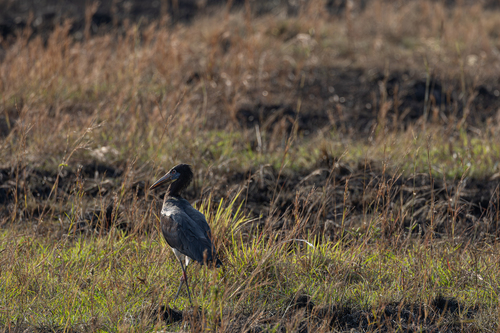
アオハシコウ (Ciconia abdimii) アオハシコウ
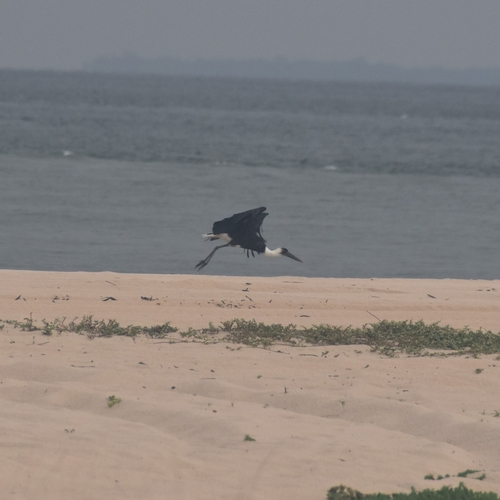
African Woolly-necked Stork (Ciconia microscelis) African Woolly-necked Stork

メディア

読み込み中…

要点

アオハシコウとAfrican Woolly-necked Storkの最も信頼できるフィールドマークは対照的な首です:アオハシコウは黒い首と白い腹を持ち、Woolly-neckedは特徴的なふわふわした白い首と黒い体を示します。幼鳥のWoolly-necked Storkは羽毛のある、時には縞模様の額と額の中央に白いマークを持ち、アオハシコウの幼鳥は成鳥に非常に似ていますが、これらの特徴が欠けています。アオハシコウは特に小さくて細身で、灰色の脚と赤い膝/足を持ち、Woolly-neckedはより大きく、長い赤い脚と重い、主に黒いくちばしを持っています。飛行中、Woolly-neckedは翼の下に裸の皮膚の輝くオレンジ赤の帯を示し、アオハシコウにはありません。両者は開けた国に出現することがありますが、Woolly-neckedは湿地や農業モザイクの近くでより頻繁に見られます。

識別のコツ

  1. Neck color and texture: 成鳥のWoolly-necked Storkは常にふわふわした白い首を示し、黒い「頭蓋帽」と体と対照的です。アオハシコウは黒い首と頭を持ち、ウールのような白い首がありません。
  2. Juvenile forehead: 幼鳥のWoolly-necked Storksは羽毛のある、時には縞模様の額と新たに巣立ったときに額の中央に目立つ白いマークを持っています。アオハシコウの幼鳥はこれらのマークが欠けており、無地の黒い頭を持っています。
  3. Underwing in flight: Woolly-necked Storkが翼を広げると、前腕の下側に沿ってネオンオレンジ赤の裸の皮膚の狭い帯が見えます—これはアオハシコウには年齢に関係なく存在しない目を引くマークです。
  4. Body size and shape: アオハシコウは小さくて細身で、より繊細な体型を持っています。Woolly-neckedはより大きく、ずんぐりしており、重いくちばしと長い脚を持っています。
  5. Leg color: アオハシコウは赤い膝と足を持つ灰色の脚を持っています。Woolly-necked Storkは全体に長い赤い脚を持っています。
  6. Bill color: アオハシコウは灰色のくちばしを持っています;Woolly-neckedのくちばしは黒っぽいまたは暗赤色で、黒い基部を持ち、より重く、長く見えます。
  7. Facial skin (breeding season): 繁殖状態のアオハシコウの成鳥は目の前に赤い顔の皮膚を示し、くちばしの近くに青が現れます。Woolly-neckedはこの顔の皮膚の色合いがありません。
  8. Belly and undertail: 両種は下腹部と尾の下に白がありますが、Woolly-neckedでは尾の下覆羽が長くて黒く、通常は白い尾を覆っています。アオハシコウでは、白い下部がより広範囲で、黒い上部からはっきりと区別されています。
  9. Tail shape: Woolly-neckedの尾は深く分かれており白いですが、これは通常、長い黒い尾の下覆羽によって隠されており、よく見ない限り信頼できるフィールドマークではありません。
  10. Flight style: Woolly-neckedはアクロバティックな飛行ディスプレイ(回転、転倒、急降下)を行うことがあり、翼で大きな音を立てることができます。アオハシコウは飛行中はよりストレートです。
  11. Group size: アオハシコウは特に採餌中に群れで見られることが多いですが、Woolly-neckedはより孤立しているか、小さな群れで見られます。
  12. Habitat context: アオハシコウは開けた乾燥した国を好み、水から遠く離れて見られることが多いです。Woolly-neckedは湿地、農業モザイク、または森林地域の近くにいる可能性が高いですが、水から離れて見られることもあります。
  13. Iris color: Woolly-neckedは深いクリムゾンまたはワインレッドの虹彩を持ち、近距離で見えることがあります;これはアオハシコウには記載されていません。
  14. Sex differences: 両種は羽毛において性別において単形ですが、オスのWoolly-necked Storksはわずかに大きい場合があります。
  15. Vocalizations: Woolly-neckedは巣や脅かされたときに笛やシューという音を出すことがあります。アオハシコウは特に特徴的な鳴き声が記載されていません。

大きさ

アオハシコウは最も小さなコウノトリ種で、平均して約73 cmの長さと1 kgを少し超える体重です。African Woolly-necked Storkはより大きく、75〜92 cmの高さ(常に少なくとも同じ高さ、通常はより高い)で、体重も重いです。フィールドでは、アオハシコウはより細くて繊細に見え、Woolly-neckedは特に首と体の周りでよりずんぐりしていて頑丈に見えます。Woolly-neckedのくちばしも頭のサイズに対して重く、長いです。

羽色

行動

両種は広い翼を持つ滑空する鳥で、しばしば首を伸ばして滑空します。Woolly-necked Storkはアクロバティックな飛行ディスプレイで知られ、回転、転倒、急降下を含み、時には羽根を通して風で大きな音を立てることがあります。アオハシコウは開けた国で群れで採餌しているのが見られることが多く、しばしば草火や群れを追って昆虫を捕まえます。Woolly-neckedはより孤立しているか、小さな緩いコロニーで見られる傾向があり、ほとんどのコウノトリよりも湿地に結びついておらず、時には水から離れた木に巣を作ることがあります。

生息環境

アオハシコウはサバンナや草原などの開けた生息地を好み、サハラ以南のアフリカやイエメン全体で水から遠く離れて見られることが多いです。特に雨や火の後に昆虫が豊富な地域で一般的に見られます。African Woolly-necked Storkは、森林の湿地、農業地域、淡水湿地を含むより広範な生息地を利用しますが、湿地に厳密に結びついているわけではなく、乾燥した農業風景のさまざまな木に巣を作ることができます。両種は開けた国で重なることがありますが、Woolly-neckedはより湿ったまたはより森林のある環境で見られる可能性が高いです。

声

どちらの種もあまり声を出しませんが、Woolly-necked Storkはディスプレイ中に二音節の笛を出し、脅かされたときには激しいシューという音を出すことで知られています。提供されたメモにはアオハシコウの特徴的な鳴き声についての言及はありません。

より良い説明を送る

比較と同じ項目を使ってください。文章はすぐに公開されます。

The most reliable field mark between Abdim's Stork and African Woolly-necked Stork is the contrasting neck: Abdim's has a dark neck with a white belly, while the Woolly-necked shows a distinctive fluffy white neck and black body. Juvenile Woolly-necked Storks have a feathered, sometimes streaked, forehead and a white mark on the forehead, while Abdim's juveniles closely resemble adults but lack these features. Abdim's is notably smaller and slimmer, with grey legs and red knees/feet, while Woolly-necked is bulkier with long red legs and a heavier, mostly dark bill. In flight, the Woolly-necked reveals a glowing orange-red band of bare skin under the wing, absent in Abdim's. Both can occur in open country, but Woolly-necked is more often seen near wetlands or in agricultural mosaics.

  1. Neck color and texture: Adult Woolly-necked Stork always shows a fluffy, downy white neck, contrasting with a black 'skull cap' and body. Abdim's Stork has a black neck and head, lacking the woolly white neck.
  2. Juvenile forehead: Juvenile Woolly-necked Storks have a feathered, sometimes streaked, forehead and a prominent white mark in the center of the forehead when newly fledged. Abdim's juveniles lack these marks and have a plain dark head.
  3. Underwing in flight: When Woolly-necked Stork opens its wings, a narrow band of neon orange-red bare skin is visible along the underside of the forearm—an eye-catching mark not present in Abdim's at any age.
  4. Body size and shape: Abdim's is smaller and slimmer, with a more delicate build. Woolly-necked is larger, bulkier, and has a heavier bill and longer legs.
  5. Leg color: Abdim's Stork has grey legs with red knees and feet. Woolly-necked Stork has long red legs throughout.
  6. Bill color: Abdim's has a grey bill; Woolly-necked's bill is blackish or dark red with a black base, appearing heavier and longer.
  7. Facial skin (breeding season): Abdim's adults in breeding condition show red facial skin in front of the eye and blue near the bill. Woolly-necked lacks this facial skin coloration.
  8. Belly and undertail: Both species have white on the lower belly and undertail, but in Woolly-necked the undertail coverts are long and black, usually covering the white tail. In Abdim's, the white underparts are more extensive and sharply demarcated from the black upperparts.
  9. Tail shape: Woolly-necked's tail is deeply forked and white, but this is often hidden by undertail coverts and not a reliable field mark unless seen well.
  10. Flight style: Woolly-necked may perform acrobatic flight displays (rolling, tumbling, steep dives) and can make a loud noise with its wings. Abdim's is more straightforward in flight.
  11. Group size: Abdim's is often seen in flocks, especially when foraging; Woolly-necked is more solitary or in small groups.
  12. Habitat context: Abdim's prefers open, dry country and is often seen far from water. Woolly-necked is more likely in or near wetlands, agricultural mosaics, or wooded areas, but can also be found away from water.
  13. Iris color: Woolly-necked has a deep crimson or wine-red iris, which may be visible at close range; this is not noted for Abdim's.
  14. Sex differences: Both species are sexually monomorphic in plumage, but male Woolly-necked Storks may be slightly larger.
  15. Vocalizations: Woolly-necked may give whistles or hissing sounds, especially at the nest or when threatened. Abdim's is not noted for distinctive vocalizations.

Abdim's Stork is the smallest stork species, averaging about 73 cm in length and just over 1 kg in weight. African Woolly-necked Stork is larger, standing 75–92 cm tall (so always at least as tall, usually taller) and is heavier-bodied. In the field, Abdim's appears more slender and delicate, while Woolly-necked looks bulkier and more robust, especially around the neck and body. The bill of Woolly-necked is also heavier and longer relative to head size.

  • Juvenile/immature birds: Juvenile Woolly-necked Storks have a feathered forehead, sometimes streaked black-and-white, and a prominent white mark in the center of the forehead when newly fledged. Their neck feathers are longer and fluffier, and the overall iridescence is much less than in adults. Juvenile Abdim's Stork lacks these forehead marks and closely resembles adults, with dark upperparts and white underparts but without the facial skin coloration of breeding adults.
  • Adults: Abdim's Stork has a black head, neck, and upperparts, with white underparts. The legs are grey with red knees and feet, and the bill is grey. In breeding season, facial skin in front of the eye turns red, and blue appears near the bill. Woolly-necked Stork adults are glossy black overall with a distinctive fluffy white neck and lower belly/undertail coverts. The black 'skull cap' is sharply bordered. The bill is blackish or dark red with a black base. In flight or display, Woolly-necked shows a striking narrow band of neon orange-red bare skin along the underside of the forearm, which is absent in Abdim's. The tail of Woolly-necked is deeply forked and white, but usually hidden by long black undertail coverts.

Both species are broad-winged soaring birds, often gliding with necks outstretched. Woolly-necked Stork is noted for acrobatic flight displays, including rolling, tumbling, and steep dives, sometimes making a loud noise with wind through its quills. Abdim's Stork is more likely to be seen foraging in groups in open country, often following grass fires or herds to catch insects. Woolly-necked tends to be more solitary or in small loose colonies, and is less tied to wetlands than most storks, sometimes nesting in trees away from water.

Abdim's Stork prefers open habitats such as savannas and grasslands across sub-Saharan Africa and Yemen, often far from water. It is commonly found in areas with abundant insects, especially following rains or fires. African Woolly-necked Stork uses a broader range of habitats, including marshes in forests, agricultural areas, and freshwater wetlands, but is not strictly tied to wetlands and can nest in a variety of trees, even in dry agricultural landscapes. Both species can overlap in open country, but Woolly-necked is more likely in wetter or more wooded settings.

Neither species is highly vocal, but Woolly-necked Stork is known to give bisyllabic whistles during displays and a fierce hissing sound when threatened. There is no mention of distinctive calls for Abdim's Stork in the provided notes.

変更を破棄しますか?

保存していない編集があります。今離れると失われます。

アオハシコウ · African Woolly-necked Stork · 苦手な鳥