

Witkeeltapaculo vs Okerflanktapaculo
Scelorchilus albicollis versus Eugralla paradoxa
Speel een quiz met Witkeeltapaculo en Okerflanktapaculo
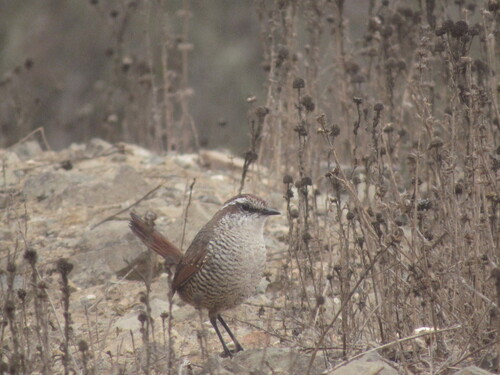 Witkeeltapaculo
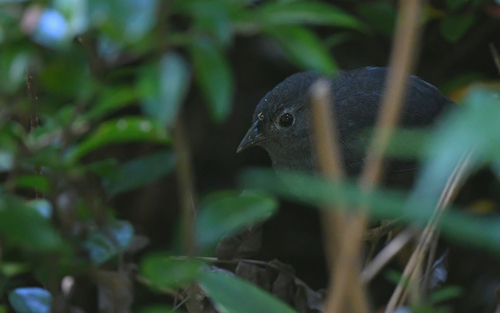 Okerflanktapaculo
Kort gezegd
Het meest betrouwbare veldkenmerk tussen Witkeeltapaculo en Okerflanktapaculo is de gedurfde witte supercilium en witte keel van de eerste, tegenover de oker (tawny) flanken en klei-bruin vent van de laatste. Juveniele verenkleed is een potentiële valkuil, aangezien beide soorten op deze leeftijd overal gebarricadeerd zijn, maar de kleur en verdeling van de barrières en de algehele tinten verschillen. Witkeeltapaculo is opmerkelijk groter en robuuster, met een kaneelvoorhoofd en meer bruinachtige bovenkant, terwijl Okerflanktapaculo kleiner, donkerder grijs boven is, en een uniek 'Romeins neus'-profiel heeft. Zorgvuldige aandacht voor het patroon van de onderzijde, het gezicht en de grootte zal hen in de meeste veldsituaties scheiden.
Herkenningstips
- Juveniele barrières: De juvenielen van beide soorten zijn overal gebarricadeerd, maar juvenielen van Okerflanktapaculo hebben kaneel tot roestkleurige barrières over een duistergrijze basis, terwijl juvenielen van Witkeeltapaculo bleker zijn met meer kaneeltinten en minder algehele contrast.
- Supercilium en keel: Witkeeltapaculo van alle leeftijden (behalve mogelijk zeer jonge juvenielen) toont een gedurfde witte supercilium en een witte keel—deze ontbreken bij Okerflanktapaculo.
- Flank- en ventkleur: Volwassen Okerflanktapaculo heeft onderscheidende tawny-bruin (oker) flanken en een klei-bruin vent, wat hen onderscheidt van de gebarricadeerde, blekere onderzijde van Witkeeltapaculo.
- Voorhoofd kleur: Witkeeltapaculo heeft een kaneelvoorhoofd, wat niet te zien is bij Okerflanktapaculo.
- Bovenkant tint: Witkeeltapaculo is grijs-bruin boven (met S. a. atacamae bleker en grijzer), terwijl Okerflanktapaculo donkergrijs boven is.
- Onderzijde barrières: Volwassen Witkeeltapaculo heeft donkerbruine barrières over het grootste deel van de onderzijde, terwijl volwassen Okerflanktapaculo een effen grijze onderzijde heeft zonder barrières, behalve bij juvenielen.
- Gezichtsvorm: Okerflanktapaculo heeft een 'Romeins neus'—een hellend, prominent gezichtsprofiel—ongebruikelijk voor tapaculos en niet aanwezig bij Witkeeltapaculo.
- Grootte en structuur: Witkeeltapaculo is groter (19 cm vs. 14,5 cm) en robuuster, met een langere staart; Okerflanktapaculo is compact en met een korte staart.
- Romp patroon: Witkeeltapaculo toont licht gebarricadeerde romp; de romp van Okerflanktapaculo wordt niet specifiek beschreven als gebarricadeerd.
- Regionale context: Als je in westelijk Argentinië bent, is alleen Okerflanktapaculo mogelijk. In centraal Chili kunnen beide voorkomen, dus verenkleed en structuur zijn cruciaal.
- Subspecies verwarring: S. a. atacamae (Witkeeltapaculo) is bleker en grijzer, maar heeft nog steeds de witte supercilium en keel, die Okerflanktapaculo nooit toont.
- Zittende vs. bewegende weergaven: De witte keel en supercilium van Witkeeltapaculo zijn vaak zichtbaar, zelfs in korte weergaven; de oker flanken van Okerflanktapaculo zijn mogelijk het beste te zien wanneer de vogel beweegt of zijn vleugels fladdert.
- Gebarricadeerde juvenielen in vlucht: Als je een kleine, gebarricadeerde tapaculo in Chileense bossen ziet, controleer dan de basis kleur (duistergrijs voor Okerflanktapaculo, bleker kaneel voor Witkeeltapaculo) en kijk of er enige hint van oker op de flanken of wit op het gezicht is.
- Geslachtsverschillen: Er zijn geen geslacht-specifieke verenkleedverschillen beschreven voor beide soorten, dus alle veldkenmerken zijn van toepassing op beide geslachten.
- Stem: Niet beschreven in de aantekeningen, dus vertrouw niet op vocalisaties voor scheiding in deze context.
Grootte
Witkeeltapaculo is aanzienlijk groter, met een lengte van ongeveer 19 cm, terwijl Okerflanktapaculo slechts 14,5 cm is. De Okerflanktapaculo is ook lichter, met een volwassen lichaamsgewicht van ongeveer 34,5 g (Wikidata), terwijl Witkeeltapaculo robuuster is (exact gewicht niet gegeven, maar geïmpliceerd door lengte en structuur). In het veld lijkt Witkeeltapaculo robuuster en met een langere staart, terwijl Okerflanktapaculo compact en met een korte staart is.
Verenkleed
Juvenielen van beide soorten zijn overal gebarricadeerd, maar juvenielen van Witkeeltapaculo tonen algehele barrières met een blekere, meer kaneelachtige wash, terwijl juvenielen van Okerflanktapaculo kaneel tot roestkleurige barrières hebben over een duistergrijze basis. Voor volwassenen toont Witkeeltapaculo een gedurfde witte supercilium, witte keel, kaneelvoorhoofd, grijs-bruin bovenwerk, en onderzijde met donkerbruine barrières over witachtige tot bleke kaneel. De romp is licht gebarricadeerd. Volwassen Okerflanktapaculo is donkergrijs boven, bleker grijs op de onderzijde tot de buik, met een klei-bruin (oker) vent en onderscheidende tawny-bruin flanken. Het gezichtsprofiel van Okerflanktapaculo is onderscheidend, met een hellende 'Romeins neus,' in tegenstelling tot het meer typische tapaculo gezicht van Witkeeltapaculo. De subspecies S. a. atacamae is bleker en grijzer, maar toont nog steeds de witte supercilium en keel.
Habitat
Witkeeltapaculo is endemisch in Chili, terwijl Okerflanktapaculo wordt aangetroffen in het zuid-centraal Chili en aangrenzend westelijk Argentinië. Hun verspreidingsgebieden overlappen in delen van Chili, maar Okerflanktapaculo is waarschijnlijker in de zuidelijke en Andesbossen, terwijl Witkeeltapaculo beperkt is tot Chileense habitats. Habitat alleen is niet altijd diagnostisch, maar kan identificatie ondersteunen als de locatie bekend is.