
Witkruinvorkstaart vs Borneose vorkstaart
Enicurus leschenaulti versus Enicurus borneensis
Speel een quiz met Witkruinvorkstaart en Borneose vorkstaart
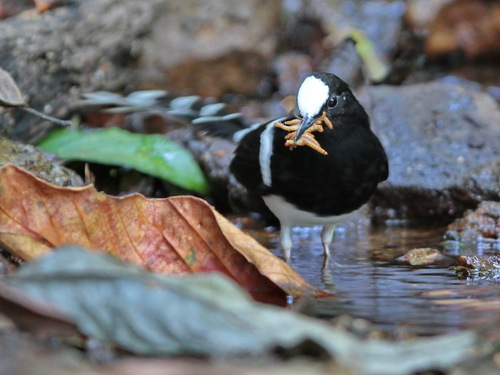 Witkruinvorkstaart
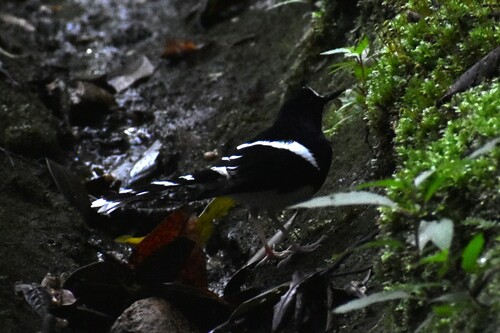 Borneose vorkstaart
Kort gezegd
Het meest betrouwbare veldkenmerk tussen Witkruinvorkstaart en Borneose vorkstaart is de omvang van het wit op het hoofd: Witkruinvorkstaart heeft een prominente witte kroonvlek, terwijl Borneose vorkstaart een verminderde witte voorhoofd heeft die niet over de kroon uitstrekt. Het staartpatroon is ook diagnostisch—Witkruinvorkstaart heeft vijf witte staartvlekken, Borneose vorkstaart heeft er vier. Beide zijn opvallende zwart-witte vogels langs de waterkant met lange, diep gevorkte staarten, maar Witkruinvorkstaart is groter en komt voor in laagland tot montane bossen over een breed Aziatisch gebied, terwijl Borneose vorkstaart endemisch is voor de montane stromen van Borneo. Juveniele verenkleed wordt niet in detail beschreven voor Borneose vorkstaart, maar juveniele Witkruinvorkstaart mist de witte kroon en is over het algemeen bruiner, wat verwarring kan veroorzaken.
Herkenningstips
- Wit op Hoofd (Volwassenen): Witkruinvorkstaart heeft een gedurfde witte kroon en voorhoofdsvlek, terwijl het wit van Borneose vorkstaart beperkt is tot het voorhoofd en niet over de kroon uitstrekt. Dit is het meest consistente kenmerk bij volwassenen.
- Aantal Staartvlekken: Tel de witte vlekken op de staart—Witkruinvorkstaart heeft er vijf, Borneose vorkstaart heeft er vier. Dit is het beste te zien wanneer de staart is uitgespreid of in vlucht.
- Staartlengte en Structuur: Beide hebben lange, diep gevorkte staarten, maar de staart van Borneose vorkstaart is proportioneel langer in verhouding tot zijn kleinere lichaam. Witkruinvorkstaart is over het algemeen groter en robuuster.
- Juveniele Valstrik: Juveniele Witkruinvorkstaart mist de witte kroon en is bruiner boven en op de flanken, wat mogelijk lijkt op Borneose vorkstaart als alleen het hoofdpatroon wordt gecontroleerd. Echter, het aantal staartvlekken en de algehele grootte helpen nog steeds om ze te scheiden.
- Mantelkleur: Beide hebben een solide zwarte mantel, dus dit is geen scheidingspunt tussen deze twee (maar nuttig tegen andere vorkstaarten).
- Vleugelpatroon: Witkruinvorkstaart heeft een sterke witte band over de grotere dekkveren; Borneose vorkstaart wordt niet in detail beschreven, maar waarschijnlijk vergelijkbaar—verlaat je hier niet alleen op.
- Snavel en Poten: Beide hebben zwarte snavels en roze poten; deze zijn niet nuttig voor scheiding.
- Stem: De roep verschilt subtiel, maar tenzij je beide kent, verlaat je je niet op de stem voor scheiding.
- Habitat en Verspreiding: Als je op Borneo bent in montaan bos boven de laaglanden, wordt Borneose vorkstaart verwacht. In laagland bos of buiten Borneo is het bijna zeker Witkruinvorkstaart.
- Subspecies Variatie: Sommige subspecies van Witkruinvorkstaart (bijv. frontalis) hebben een kleinere witte kroonvlek, die in uiterlijk kan lijken op Borneose vorkstaart—gebruik het aantal staartvlekken en grootte voor bevestiging.
- Context: Witkruinvorkstaart kan worden aangetroffen in een breder scala van natte habitats, inclusief dierenwallen en greppels, terwijl Borneose vorkstaart is gebonden aan ongerepte montane stromen.
- Vluchtweergaven: In vlucht, focus op het aantal staartvlekken en de omvang van het wit op het hoofd; deze zijn zelfs op afstand zichtbaar.
- Zittende Weergaven: Zoek naar de witte kroon (Witkruinvorkstaart) versus alleen een wit voorhoofd (Borneose vorkstaart) en de algehele bulk.
- Seizoensgebondenheid: Witkruinvorkstaart kan seizoensgebonden hoogte verschuiven en is waarschijnlijker in de winter in sommige delen van zijn verspreiding; Borneose vorkstaart is resident in montaan Borneo.
- Veelvoorkomende Valstrik: Onvolwassen Witkruinvorkstaart kan verkeerd worden geïdentificeerd als Borneose vorkstaart vanwege het ontbreken van de witte kroon—gebruik grootte, habitat, en vooral het aantal staartvlekken om deze fout te vermijden.
Grootte
Witkruinvorkstaart is de grootste vorkstaart, met een lengte van 25–28 cm en een gemiddeld gewicht van 34 g ([wikipedia], [wikidata]). Borneose vorkstaart wordt als kleiner beschreven, maar precieze metingen worden niet gegeven; het is echter opgemerkt dat het een langere staart heeft in verhouding tot de lichaamsgrootte. In directe vergelijking zal Witkruinvorkstaart robuuster en langer lijken, vooral wanneer hij zit of in vlucht.
Verenkleed
- Juvenielen: Juveniele Witkruinvorkstaart zijn bruinachtig-zwart boven, met bruine flanken en gemêleerde buiken, en missen de witte kroonvlek. Het juveniele verenkleed van Borneose vorkstaart wordt niet beschreven, maar het ontbreken van de witte kroon bij onvolwassen vogels kan verwarring veroorzaken.
- Volwassenen: Volwassen Witkruinvorkstaart heeft een gedurfde witte kroon en voorhoofdsvlek, die scherp contrasteert met een zwart gezicht en keel, en een volledig zwarte mantel. De staart is lang, diep gevorkt, met vijf witte vlekken (gecreëerd door witte punten op de staartveren). De vleugels zijn voornamelijk zwart met een sterke witte band over de grotere dekkveren. Volwassen Borneose vorkstaart heeft een verminderde witte voorhoofd (die niet op de kroon uitstrekt), en slechts vier witte staartvlekken. Beide soorten hebben witte stuit en buiken, maar het hoofdpatroon en het aantal staartvlekken zijn de beste scheidingspunten.
Gedrag
Beide soorten komen vaak voor langs snelstromende stromen en rivieren, vaak met hun staarten wiegend en foeragerend langs de waterkant. Er is geen sterk gedragsverschil opgemerkt in de bronnen, maar Witkruinvorkstaart kan worden aangetroffen op een breder scala van hoogtes en soms in dichtere laaglandvegetatie, terwijl Borneose vorkstaart beperkt is tot montane bosstromen.
Habitat
Witkruinvorkstaart komt voor in een breed scala van subtropische en tropische vochtige laagland- en montane bossen, typisch langs rivieren, watervallen en stromen, maar kan ook worden aangetroffen in moerassige of langzaam stromend water in de winter. Zijn verspreiding beslaat een groot deel van Zuid- en Zuidoost-Azië. Borneose vorkstaart is endemisch voor Borneo en strikt gebonden aan montane primaire bosstromen, waarbij het Witkruinvorkstaart vervangt op hogere hoogtes op het eiland. Als het wordt gezien in laagland bos of buiten Borneo, is het bijna zeker geen Borneose vorkstaart.
Geluid
Witkruinvorkstaart geeft hoge, klingelende fluiten ('tseee, tseee' of 'zweeet'), met scherpere alarmroepen ('scree chit chit') en een complexe gefloten zang in vertoning. Borneose vorkstaart heeft andere roepen, maar specifics worden niet in detail beschreven in de bronnen. Subtiele verschillen in roep kunnen opvallen voor ervaren vogelaars, maar zijn niet de meest betrouwbare veldscheiding.
Witkruinvorkstaart · Borneose vorkstaart · Mijn lastige vogels