

Huiszwaluw vs Kaapse klifzwaluw
Delichon urbicum versus Petrochelidon spilodera
Speel een quiz met Huiszwaluw en Kaapse klifzwaluw
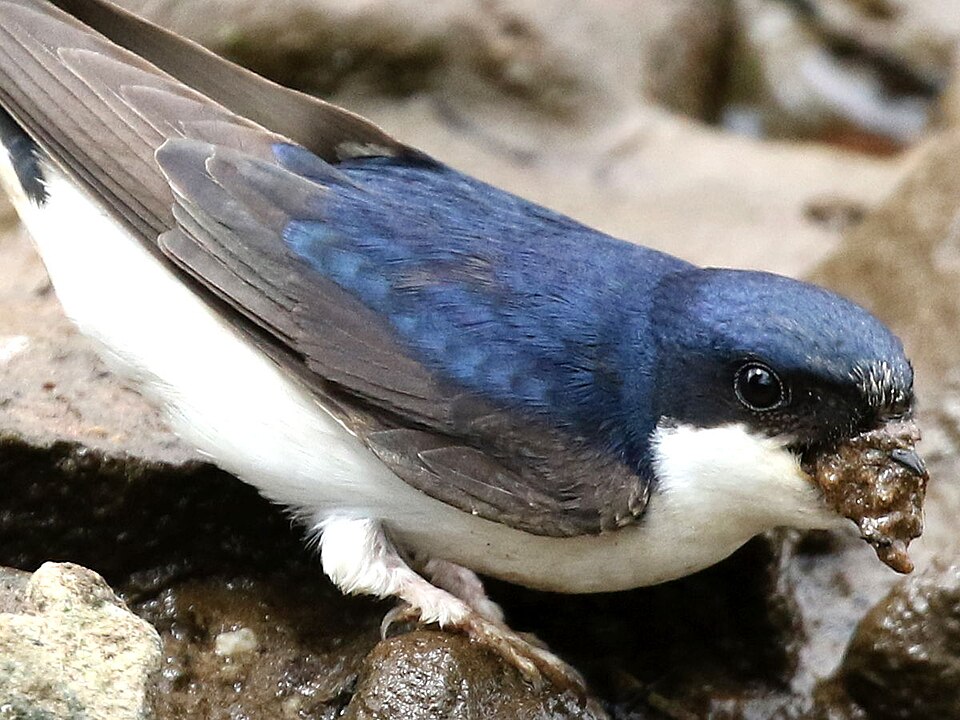 Huiszwaluw
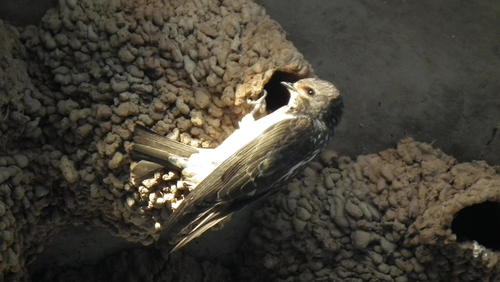 Kaapse klifzwaluw
Kort gezegd
Het meest betrouwbare veldkenmerk om de Huiszwaluw van de Kaapse klifzwaluw te scheiden, is de opvallende witte stuit en het puur witte onderlijf van de Huiszwaluw, die duidelijk zichtbaar zijn in de vlucht en wanneer ze zitten. Juveniele Huiszwaluwen vertonen ook witte uiteinden op de vleugelbedekking en pennen, terwijl de Kaapse klifzwaluw deze kenmerken mist en geen witte stuit heeft. Beide soorten zijn luchtinsecteneters en kunnen op gebouwen broeden, maar de staalblauwe bovenkant en het schone witte onderlijf van de Huiszwaluw contrasteren met de meer gedempte kleur van de Kaapse klifzwaluw. De structuur en de vorm van de staart zijn vergelijkbaar, dus focus op de kleur van de stuit en het onderlijf, vooral in de vlucht.
Herkenningstips
- Witte stuit (alle leeftijden): De Huiszwaluw toont altijd een heldere witte stuit, die zeer opvallend is in de vlucht en wanneer hij zit. De Kaapse klifzwaluw toont nooit een witte stuit; zijn rug en stuit zijn uniform of slechts iets lichter.
- Kleur onderlijf: De Huiszwaluw heeft een puur wit onderlijf, inclusief de ondervleugels. Het onderlijf van de Kaapse klifzwaluw wordt niet in detail beschreven, maar is niet puur wit en contrasteert niet zo scherp met de bovenkant.
- Patroon van juveniele vleugelbedekking: Juveniele Huiszwaluwen hebben witte uiteinden en randen op sommige vleugelbedekkingen en pennen, wat een iets geschubd of gerand uiterlijk aan de bovenvleugel geeft. Dit kenmerk ontbreekt bij de Kaapse klifzwaluw.
- Glans van de bovenkant: Volwassen Huiszwaluwen zijn staalblauw boven, vooral verse vogels. De Kaapse klifzwaluw heeft doffere, minder glanzende bovenkanten.
- Staartvork: Beide soorten hebben gevorkte staarten, maar de vork van de Huiszwaluw is ondiep. De vorm van de staart is geen sterke scheiding tussen deze twee.
- Poten en tenen: De poten en tenen van de Huiszwaluw zijn wit bevederd en de blootgestelde delen zijn roze, maar dit is zelden zichtbaar in het veld.
- Vluchtstijl: De Huiszwaluw heeft een snelle vleugelslag (5,3 slagen/sec), maar dit is subtiel en moeilijk te gebruiken tenzij direct vergeleken.
- Broedgedrag: Beide broeden op gebouwen of onder dakoverstekken, maar kolonies van de Huiszwaluw kunnen zeer dicht zijn, soms met duizenden nesten in contact. De Kaapse klifzwaluw broedt ook koloniaal, maar wordt niet opgemerkt voor zulke grote aggregaties.
- Habitat en verspreiding: De Huiszwaluw komt voor in heel Eurazië en migreert naar Afrika; de Kaapse klifzwaluw is resident of migrerend binnen Afrika. In Zuid-Afrika, controleer op een witte stuit om een zwervende Huiszwaluw uit te sluiten.
- Zittende houding: Beide zitten op draden of gebouwen, maar de witte stuit van de Huiszwaluw kan zelfs wanneer hij zit zichtbaar zijn, vooral van achteren.
- Verwarring met andere zwaluwen: De witte stuit en het onderlijf van de Huiszwaluw voorkomen verwarring met Boerenzwaluw, Oeverzwaluw of Roodstuitzwaluw. De Kaapse klifzwaluw kan verward worden met andere Afrikaanse zwaluwen, maar niet met de Huiszwaluw als de stuit zichtbaar is.
- Geslacht en seizoen: Beide soorten zijn seksueel monomorf en vertonen geen sterke seizoensgebonden verenkleedveranderingen, dus leeftijd en stuitkleur zijn belangrijker dan geslacht of seizoen.
- Stem: Er zijn geen onderscheidende vocalisaties beschreven in de notities, dus vertrouw niet op roepen voor scheiding.
- Valkuilen: In slecht licht of op afstand kan de witte stuit van de Huiszwaluw gemist worden, maar het is diagnostisch wanneer gezien. Juveniele Huiszwaluwen kunnen doffer lijken, maar tonen nog steeds de witte stuit en bedekkingsmarkeringen.
- In de vlucht: Probeer altijd de stuit en het onderlijf in de vlucht te zien; de Huiszwaluw zal wit flitsen, terwijl de Kaapse klifzwaluw dat niet zal doen.
Grootte
De Huiszwaluw is gemiddeld ongeveer 13 cm lang met een spanwijdte van 26–29 cm en een gewicht van ongeveer 18,3 g [wikipedia]. Er zijn geen directe metingen voor de Kaapse klifzwaluw in de notities, maar beide zijn kleine hirundines en waarschijnlijk vergelijkbaar in grootte. Grootte alleen is geen betrouwbare scheiding in het veld.
Verenkleed
-
Juveniele/onvolwassen vogels: Juveniele Huiszwaluwen zijn roetzwart boven, met witte uiteinden en randen op sommige vleugelbedekkingen en pennen. Dit kan een iets geschubd uiterlijk aan de bovenvleugel geven bij verse juvenielen. De witte stuit is aanwezig, zelfs bij jonge vogels, en is een belangrijk kenmerk op alle leeftijden. Juveniele Kaapse klifzwaluwen worden niet in detail beschreven in de notities, maar er is geen vermelding van een witte stuit of vergelijkbare vleugelbedekkingsmarkeringen.
-
Volwassenen: Volwassen Huiszwaluwen zijn staalblauw boven met een heldere witte stuit en puur witte onderlijf, inclusief de ondervleugels. De Kaapse klifzwaluw mist de witte stuit en heeft in plaats daarvan meer gedempte, minder contrasterende boven- en onderlijf. De witte stuit van de Huiszwaluw is vooral duidelijk in de vlucht, terwijl de stuit van de Kaapse klifzwaluw opgaat in de rest van de rug.
-
Staart: De Huiszwaluw heeft een ondiep gevorkte staart, terwijl de staartvorm van de Kaapse klifzwaluw hier niet in detail wordt beschreven, maar beide zijn typische zwaluwen met enige vork. De staart van de Huiszwaluw is niet zo diep gevorkt als die van de Boerenzwaluw.
-
Geslachten: Beide soorten vertonen weinig seksuele dimorfie in het verenkleed.
Gedrag
Beide soorten zijn luchtinsecteneters die insecten in de vlucht vangen. Huiszwaluwen broeden vaak koloniaal, met nesten soms in grote, dichte clusters op gebouwen of kliffen. De Kaapse klifzwaluw broedt ook op kunstmatige structuren, vaak onder dakoverstekken of bruggen, en bouwt moddernesten. In de vlucht hebben Huiszwaluwen een snelle vleugelslag (5,3 slagen/sec) en een typische zwaluwvliegstijl. Er is geen informatie over de vluchtstijl van de Kaapse klifzwaluw, maar deze is waarschijnlijk vergelijkbaar. Beide soorten zijn zeer sociaal rond broedplaatsen.
Habitat
De Huiszwaluw broedt in heel Europa, Noord-Afrika en west-centraal Azië, vaak nabij menselijke bewoning of open land, en overwintert in sub-Sahara Afrika en Zuidwest-Azië. De Kaapse klifzwaluw is inheems in Zuid-Afrika en overwintert in het lagere Congobekken. Beide soorten zijn nauw verbonden met menselijke structuren voor het broeden, maar de Huiszwaluw komt waarschijnlijk meer voor in gematigd Eurazië, terwijl de Kaapse klifzwaluw beperkt is tot Afrika. In gebieden van overlap (Zuid-Afrika in de winter) moeten context en verspreiding in overweging worden genomen.