

Geelkruinbuulbuul vs Blanfordbuulbuul
Pycnonotus zeylanicus versus Pycnonotus blanfordi
Speel een quiz met Geelkruinbuulbuul en Blanfordbuulbuul
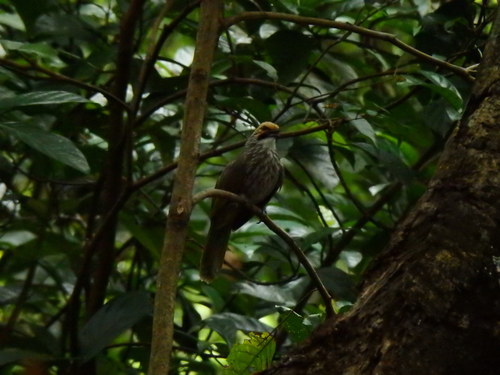 Geelkruinbuulbuul
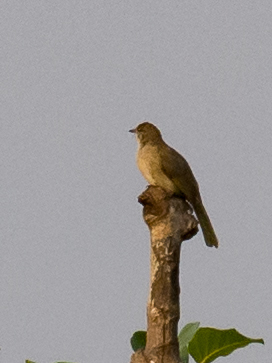 Blanfordbuulbuul
Kort gezegd
De meest betrouwbare manier om Geelkruinbuulbuul van Blanfordbuulbuul te scheiden, is op basis van grootte: Geelkruin is meer dan twee keer zo zwaar en lijkt veel groter en robuuster in het veld. Als je beide soorten samen ziet, is het verschil opvallend. Beide zijn typische buulbuuls in vorm en algemene kleur, maar hun verspreidingsgebieden overlappen niet: Geelkruin komt voor van het Maleisische schiereiland tot Borneo, terwijl Blanford endemisch is voor Myanmar. De voorkeuren voor habitat overlappen in laaglandbossen, maar Geelkruin wordt ook aangetroffen in mangroven, plantages en tuinen. Als je het niet zeker weet, concentreer je dan op de algehele bulk, het bereik en de context.
Herkenningstips
- Grootte is de meest directe aanwijzing: Geelkruinbuulbuul is meer dan twee keer zo zwaar als Blanfordbuulbuul en ziet er veel groter en robuuster uit in het veld. Gebruik dit als je primaire scheiding als je een goede kijk krijgt.
- Geografisch bereik is diagnostisch: Geelkruinbuulbuul komt voor van het Maleisische schiereiland tot Borneo, terwijl Blanfordbuulbuul endemisch is voor Myanmar. Als je buiten Myanmar bent, is Geelkruin de enige optie van deze twee.
- Habitatcontext kan helpen: Als je een buulbuul in mangrovebos, plantages of landelijke tuinen ziet, is het waarschijnlijk Geelkruin, aangezien Blanford alleen is gedocumenteerd in vochtige laaglandbossen.
- Plumage is geen betrouwbare scheider: Er zijn geen onderscheidende verenkleed- of leeftijdspecifieke vleugelpatronen beschreven voor beide soorten in de beschikbare bronnen. Vertrouw niet alleen op kleur of patroon.
- Structuur/jizz: Geelkruinbuulbuul lijkt robuust, met een groot hoofd en een dikke nek, terwijl Blanford slanker en compacter is. Dit is het meest duidelijk wanneer je een directe vergelijking hebt of bekend bent met de proporties van buulbuuls.
- Geen gedocumenteerde verschillen in vlucht of gezeten vleugelpatroon: Geen van beide soorten heeft beschreven leeftijdspecifieke bovenwing- of vluchtmerken, dus gebruik deze kenmerken niet voor scheiding.
- Gedrag is geen scheider: Beide zijn typische buulbuuls in activiteit en houding; er zijn geen unieke gedragingen genoteerd.
- Vocalisaties zijn niet beschreven: Als je een lied hoort, is het niet diagnostisch op basis van de huidige bronnen.
- Geslacht en seizoen: Er zijn geen seksuele dimorfismen of seizoensgebonden verenkleedverschillen gedocumenteerd voor beide soorten; alle leeftijden en geslachten worden het beste gescheiden op basis van grootte en bereik.
- Als je twijfelt, gebruik dan een combinatie van grootte, bereik en habitat: Dit zijn de enige betrouwbare veldkenmerken op basis van de huidige kennis.
Grootte
Geelkruinbuulbuul is een zeer grote buulbuul, met een gewicht van ongeveer 86 g, terwijl Blanfordbuulbuul veel kleiner is met 33 g ([wikidata]). In het veld lijkt Geelkruin robuust en zwaar, met een merkbaar groter hoofd en lichaam in vergelijking met de slanker, compactere Blanford. Als je bekend bent met de typische grootte van buulbuuls, zal Geelkruin opvallen als uitzonderlijk groot, terwijl Blanford dichter bij het gemiddelde voor de familie ligt.
Verenkleed
Er zijn geen leeftijdspecifieke of vleugelpatroonmerken gedocumenteerd voor beide soorten in de verstrekte bronnen. Beide zijn typische buulbuuls in algemene kleur, maar gedetailleerde verschillen in verenkleed zijn niet beschreven in de aantekeningen. Daarom is verenkleed geen betrouwbare veldscheider op basis van de huidige informatie.
Gedrag
Beide soorten worden beschreven als typische buulbuuls in hun familie, maar er zijn geen specifieke gedragsverschillen gegeven. Beide zijn waarschijnlijk actief, boomachtig en vocaal, zoals gebruikelijk is voor de groep. Zonder verdere details is gedrag geen sterke scheider.
Habitat
Er is overlap in habitat in subtropische of tropische vochtige laaglandbossen, maar Geelkruinbuulbuul gebruikt een breder scala aan habitats, waaronder mangrovebossen, vochtige struikgewas, landbouwgrond, plantages en landelijke tuinen ([wikipedia]). Blanfordbuulbuul is meer beperkt, komt alleen voor in Myanmar en alleen in vochtige laaglandbossen. Als je een buulbuul tegenkomt in mangroven of landbouwgebieden buiten Myanmar, is het bijna zeker Geelkruin. Omgekeerd is Blanford de verwachte soort in de binnenbossen van Myanmar.