
Siberische strandloper vs Temmincks strandloper
Calidris acuminata versus Calidris temminckii
Speel een quiz met Siberische strandloper en Temmincks strandloper
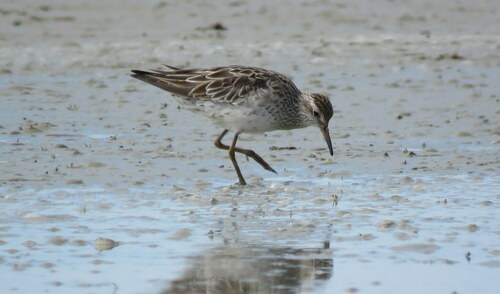 Siberische strandloper
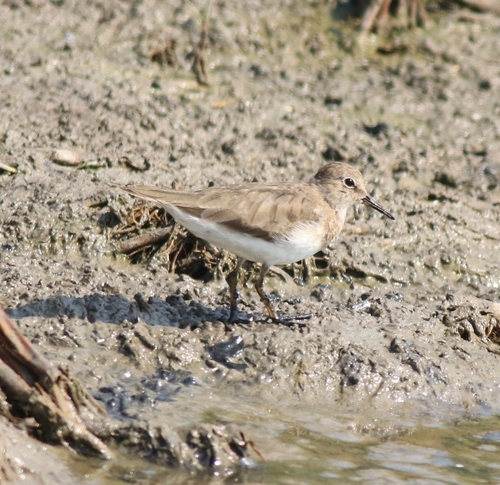 Temmincks strandloper
Kort gezegd
Het meest betrouwbare veldkenmerk tussen Siberische strandloper en Temmincks strandloper is de grootte: Siberische strandloper is veel groter en robuuster, met een potbelly-look, terwijl Temmincks klein en slank is. Juveniele Siberische strandlopers tonen een heldere kastanjebruine kroon en een gedurfde supercilium, terwijl Temmincks altijd saaier is, met eenvoudige bruine bovenkant en een minder contrasterend gezicht. In de vlucht of in rust is de structuur van Siberische strandloper robuuster, met een langere achterzijde en een platte rug, vergeleken met de compacte, kortbenige Temmincks. De kleur van de poten kan overlappen, maar Temmincks heeft dof geelachtige of bruine poten, terwijl die van Siberische strandloper olijf tot geel zijn. Als je een kleine, eenvoudige, witstaartige wader ziet, is het Temmincks; een grotere, kastanjekap met scherpe markeringen is Siberische strandloper.
Herkenningstips
- Grootte is het meest directe aanwijzing: Siberische strandloper is veel groter en robuuster dan Temmincks strandloper. Als de vogel klein en delicaat lijkt, is het waarschijnlijk Temmincks.
- Juveniele/eerste-herfst verenkleed: Juveniele Siberische strandlopers hebben een heldere kastanjebruine kroon, sterke witte supercilium en gedurfde gemarkeerde scapulars; Temmincks juvenielen zijn altijd saai bruin boven, met weinig contrast en geen kastanje.
- Gezichtspatroon: Siberische strandloper toont een sterke, bleke supercilium en een donkerbruine oogstreep; Temmincks heeft een eenvoudige bruine gezicht met alleen een vage supercilium.
- Borsten en flankmarkeringen: Siberische strandloper heeft buffy, pijlvormige markeringen op de flanken en een zacht gemêleerde borst, die nooit een scherpe band vormt; Temmincks heeft een eenvoudige, iets donkerdere borst zonder sterke flankmarkeringen.
- Kleur van de poten: Beide kunnen geelachtige of olijfkleurige poten tonen, maar dit is niet alleen betrouwbaar. Temmincks poten zijn dof geelachtig of bruin; die van Siberische strandloper zijn olijf tot geel.
- Snavelvorm en kleur: Beide hebben rechte, donkere snavels, maar de snavel van Siberische strandloper is proportioneel zwaarder en langer in verhouding tot de kopgrootte.
- Staartpatroon in vlucht: Temmincks strandloper heeft witte buitenste staartveren, zichtbaar in de vlucht of wanneer hij zich verzorgt; Siberische strandloper heeft deze eigenschap niet.
- Algemene structuur: Siberische strandloper is potbelly met een platte rug en een uitgerekte achterzijde; Temmincks is compact, kortbenig en mist de verlengde achterzijde.
- Bovenkant kleur: Siberische strandloper is gemêleerd kastanjebruin boven, vooral bij juvenielen en broedvogels; Temmincks is eenvoudig bruin of grijsbruin, met weinig contrast.
- Kleur van de kroon: Siberische strandloper toont een kastanjebruine kroon (vooral juvenielen); Temmincks kroon is eenvoudig bruin.
- Groepsgrootte: Siberische strandloper is vaak in groepen; Temmincks is meestal solitair of in kleine groepen.
- Voedingsgedrag: Temmincks voedt met snelle, precieze bewegingen, vaak langs begroeide randen; Siberische strandloper is steadier en meer waarschijnlijk om te waden.
- Habitat: Siberische strandloper geeft de voorkeur aan open, modderige of grasachtige wetlands; Temmincks is meer vaak aan de rand van water of in vochtig gras.
- Seizoenscontext: Siberische strandloper is een langeafstandsmigrant, het meest waarschijnlijk in Australië in het niet-broedseizoen; Temmincks is wijdverspreid in de Oude Wereld, vooral tijdens de doortrek.
- Als je twijfelt: Focus op grootte, gezichtspatroon, en de aanwezigheid of afwezigheid van een kastanjebruine kroon en witte buitenste staartveren. Dit zijn de meest betrouwbare veldkenmerken voor alle leeftijden.
Grootte
Siberische strandloper is veel zwaarder (ongeveer 67g) dan Temmincks strandloper (ongeveer 26g) [wikidata]. In het veld lijkt Siberische strandloper van gemiddelde grootte onder kleine waders, met een merkbaar potbelly, verlengde achterzijde en een platte rug. Temmincks strandloper is een van de kleinste Calidris, met een compacte, kortbenige uitstraling en een kortere totale lengte (13,5–15 cm). Als ze naast elkaar worden gezien, is het verschil opvallend: Temmincks ziet er elegant en delicaat uit, terwijl Siberische strandloper robuust en dik is.
Verenkleed
Juveniele en eerste-herfst Siberische strandlopers zijn duidelijk helderder dan Temmincks strandloper, met een rijke kastanjebruine kroon, gedurfde witte supercilium en scherp gedefinieerde scapulars met donkere centra en bleke randen. Hun onderkant is wit met buffy, pijlvormige markeringen op de flanken en een zacht gemêleerde borst, zonder de sterke borstband van sommige andere Calidris. Temmincks strandloper, in alle leeftijden, is veel eenvoudiger: de bovenkant is dof bruin (af en toe met enkele roestkleurige of zwartachtige mantelveren bij broedvogels), het hoofd is onopgemerkt bruin, en het gezichtspatroon is subtiel. De onderkant is wit met een iets donkerdere borst, maar nooit met de scherpe flankmarkeringen of kastanjetinten van Siberische strandloper. In de vlucht toont Temmincks witte buitenste staartveren, wat een nuttig kenmerk kan zijn als het goed wordt gezien; Siberische strandloper heeft deze eigenschap niet. De kleur van de poten overlapt maar is niet alleen diagnostisch.
Gedrag
Siberische strandloper voedt vaak in losse groepen, beweegt gestaag met een horizontale houding, soms dieper waden. Het kan meer doordacht en minder nerveus lijken dan Temmincks. Temmincks strandloper is typisch solitair of in kleine groepen, voedend met snelle, precieze bewegingen, vaak aan de waterkant of op modder. Zijn gedrag doet denken aan een kleine Oeverloper, en hij kan zijn achterste iets opheffen tijdens het voeden.
Habitat
Siberische strandloper wordt het vaakst aangetroffen in open, modderige of grasachtige wetlands, vaak met andere middelgrote waders. Temmincks strandloper geeft de voorkeur aan de randen van ondiepe poelen, modderige randen of vochtig grasland, vaak in meer begroeide of afgelegen plekken. Hoewel beide kunnen overlappen tijdens de migratie, is Temmincks waarschijnlijker om alleen of in kleine aantallen te worden gezien, en in minder open gebieden.
Siberische strandloper · Temmincks strandloper · Mijn lastige vogels