

Roodborstzwaluw vs Moskeezwaluw
Cecropis semirufa versus Cecropis senegalensis
Speel een quiz met Roodborstzwaluw en Moskeezwaluw
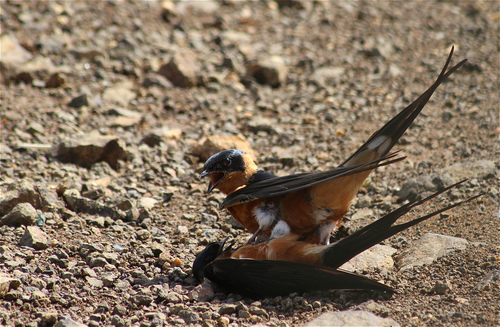 Roodborstzwaluw
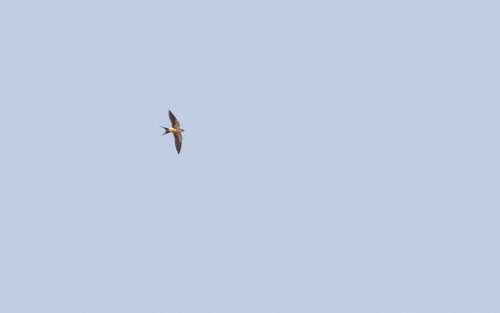 Moskeezwaluw
Kort gezegd
Het meest betrouwbare veldkenmerk tussen Roodborstzwaluw en Moskeezwaluw is de ondervleugel: Moskeezwaluw toont zeer lichte ondervleugelbedekking die scherp contrasteert met donkere vluchtveren, terwijl Roodborstzwaluw op geen enkele leeftijd wit op de ondervleugel heeft. Roodborst is ook iets kleiner met langere staartstreamers en een donkerder kroon die onder het oog doorloopt, zonder de witachtige kraag van Moskeezwaluw. Juveniele Roodborstzwaluwen hebben blauw aan de zijkant van het hoofd, niet het doffe rood van soortgelijke soorten, maar juveniele Moskeezwaluwen zijn over het algemeen bruiner. In de vlucht of zittend, let op de combinatie van grootte, staartlengte en ondervleugelpatroon om ze te scheiden, vooral bij onvolwassen vogels.
Herkenningstips
- Ondervleugelpatroon in vlucht (alle leeftijden): Moskeezwaluw toont zeer lichte ondervleugelbedekking die contrasteert met donkere vluchtveren—let op dit sterke contrast wanneer de vogel draait of boven je zweeft. Roodborstzwaluw heeft uniform donkere ondervleugels zonder lichte gebieden; dit is een belangrijke scheiding zelfs op afstand.
- Lengte van staartstreamers: Roodborstzwaluw heeft langere, slanker staartstreamers, vooral bij volwassenen. Moskeezwaluw's staart is korter en minder diep gevorkt, vooral bij vrouwtjes.
- Kroon- en gezichtspatroon: De donkere blauwe kroon van Roodborstzwaluw loopt onder het oog door, wat een kapachtig uiterlijk geeft. Moskeezwaluw heeft een glanzende blauwe kroon maar met witachtige lores en zijkanten van het hoofd, wat een bleke kraag vormt—let op dit bleke gezicht bij zittende vogels.
- Grootte en bulk: Moskeezwaluw is merkbaar groter en zwaarder dan Roodborstzwaluw. Als ze samen of met andere zwaluwen worden gezien voor schaal, valt Moskeezwaluw op als de grootste.
- Stuit en onderzijde: Beide hebben rufous stuiten en onderzijde, maar de keel en bovenborst van Moskeezwaluw zijn lichter rufous, die overgaat in donkerder rufous op de buik. Roodborstzwaluw is meer uniform rufous aan de onderzijde.
- Kleur van het hoofd bij juvenielen: Juveniele Roodborstzwaluw heeft blauw aan de zijkanten van het hoofd, terwijl juveniele Moskeezwaluwen bruiner zijn en dit blauw missen—let hierop in de herfst en winter wanneer juvenielen de overhand hebben.
- Zittende jizz: Roodborstzwaluw lijkt slanker en langer door zijn langere staart. Moskeezwaluw is robuuster en zit rechterop.
- Habitatcontext: In dichte bossen, vooral met baobabs of mopane, is Moskeezwaluw waarschijnlijker. In open land, nabij bruggen of gebouwen, heeft Roodborstzwaluw de voorkeur. Overlap kan echter optreden, dus gebruik habitat alleen als ondersteunend bewijs.
- Sociaal gedrag: Moskeezwaluw kan in kleine groepen worden gezien, vooral bij termietenemergenties of bosbranden. Roodborstzwaluw is meestal solitair of in paren, zelden in groepen.
- Nestplaatsen: Als je vogels ziet die in boomholtes (vooral baobabs) gaan, is Moskeezwaluw waarschijnlijker. Roodborstzwaluw geeft de voorkeur aan door mensen gemaakte structuren of natuurlijke holtes in open land.
- Seksuele verschillen: Vrouwelijke Moskeezwaluw heeft kortere staartstreamers dan de mannelijke, maar beide seksen hebben de bleke ondervleugel. Roodborstzwaluw vertoont minder seksuele dimorfie in staartlengte.
- Vluchtstijl: De vlucht van Moskeezwaluw is langzaam, valkachtig, en omvat veel glijden; Roodborstzwaluw is drijvend maar minder geneigd om uitgebreid te glijden.
- Valstrik—verwarring met Roodstuitzwaluwen: Juveniele Roodborstzwaluw kan op Roodstuitzwaluwen lijken maar wordt gescheiden door blauw aan de zijkant van het hoofd (niet dof rood). Moskeezwaluw is veel groter en robuuster dan enige Roodstuitzwaluw.
- Seizoensbeweging: Roodborstzwaluw is migrerend in een groot deel van zijn verspreidingsgebied, dus controleer de lokale seizoensgebondenheid—als hij buiten het broedseizoen aanwezig is, is Moskeezwaluw waarschijnlijker.
- Bij twijfel: Focus op het ondervleugelpatroon en de lengte van de staartstreamers in vlucht, en het gezichtspatroon wanneer zittend. Dit zijn de meest betrouwbare veldkenmerken in alle leeftijden en seizoenen.
Grootte
Moskeezwaluw is de grootste en zwaarste Afrikaanse zwaluw, met een lengte van 21–23 cm. Roodborstzwaluw is iets kleiner en lichter, met proportioneel langere staartstreamers in verhouding tot zijn lichaam. In directe vergelijking lijkt Moskeezwaluw robuuster en steviger, terwijl Roodborstzwaluw slanker en langer lijkt door zijn staart.
Verenkleed
- Juvenielen: Juveniele Roodborstzwaluw heeft blauw aan de zijkanten van het hoofd, terwijl juveniele Moskeezwaluwen over het algemeen bruiner zijn en dit blauw missen.
- Ondervleugel (alle leeftijden): Moskeezwaluw toont zeer lichte ondervleugelbedekking die contrasteert met donkere vluchtveren, een kenmerk dat zichtbaar is in de vlucht en diagnostisch is in alle leeftijden. Roodborstzwaluw mist enige wit of licht op de ondervleugel—zijn ondervleugel is uniform donker.
- Kroon en gezicht: Roodborstzwaluw heeft een donkere blauwe kroon die onder het oog doorloopt, wat een kapachtig uiterlijk geeft. Moskeezwaluw heeft een glanzende blauwe kroon maar met witachtige lores en zijkanten van het hoofd, wat een duidelijke bleke kraag vormt.
- Stuit en onderzijde: Beide hebben rufous stuiten en onderzijde, maar de keel en bovenborst van Moskeezwaluw zijn lichter rufous, die overgaat in donkerder rufous aan de onderzijde. Roodborstzwaluw is meer uniform rufous aan de onderzijde.
- Staart: Roodborstzwaluw heeft langere staartstreamers, vooral merkbaar bij volwassenen. Vrouwelijke Moskeezwaluw heeft kortere streamers, en de staart lijkt over het algemeen minder lang.
Gedrag
Beide soorten voeden zich met vliegende insecten, vaak hoog boven de grond. Moskeezwaluw heeft een langzame, valkachtige vlucht met veel glijden en jaagt vaak hoog boven het bosdak, soms in losse groepen. De vlucht van Roodborstzwaluw wordt beschreven als langzaam en drijvend, en hij is over het algemeen solitair of in paren, zelden in groepen. Beide zitten op draden en takken, maar Roodborstzwaluw is minder waarschijnlijk in grotere bijeenkomsten te zien.
Habitat
Roodborstzwaluw geeft de voorkeur aan droog open land en wordt vaak gevonden nabij menselijke structuren zoals bruggen, verlaten gebouwen of boomholtes voor het nestelen. Hij is migrerend in een groot deel van zijn verspreidingsgebied, vooral in Zuid-Afrika, maar kan resident zijn in sommige evenaargebieden. Moskeezwaluw is een bossoort, vooral in Zuid-Afrika, die de voorkeur geeft aan dichte loofbossen met mopane of miombo, en vaak nestelt in boomholtes (vooral baobabs), maar ook gebouwen en riolen gebruikt. In West-Afrika kan Moskeezwaluw worden gevonden in meer open habitats, waaronder bosopeningen en savanne. Habitatoverlap is mogelijk, maar Moskeezwaluw is meer verbonden met bossen, terwijl Roodborstzwaluw meer open land en antropogene gebieden prefereert.