

Roze spreeuw vs Daurische spreeuw
Pastor roseus versus Agropsar sturninus
Speel een quiz met Roze spreeuw en Daurische spreeuw
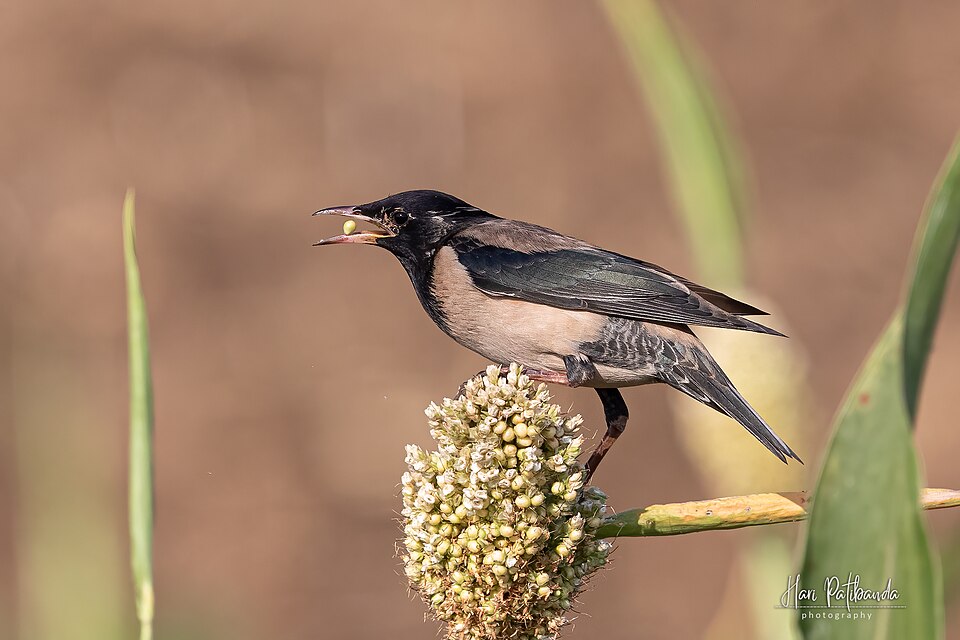 Roze spreeuw
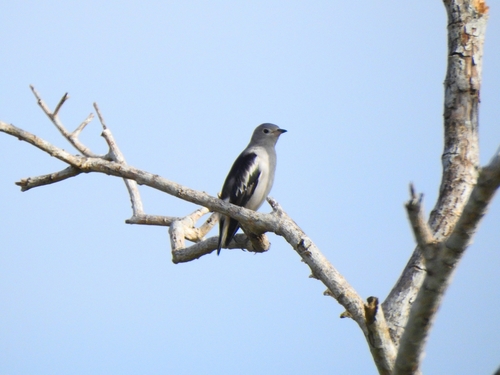 Daurische spreeuw
Kort gezegd
Het meest betrouwbare veldkenmerk om Roze spreeuw van Daurische spreeuw te scheiden, is het opvallende roze lichaam en de glanzend zwarte vleugels, kop en staart van het volwassen dier, vooral in broedkleed. Juveniele Roze spreeuwen zijn over het algemeen licht buff-bruin met een korte gele snavel, terwijl Daurische spreeuw deze kleur niet heeft en in plaats daarvan een donkere mantel en kroon met smalle vleugelstrepen vertoont. De aanwezigheid van een kuif bij volwassenen (vooral mannetjes) is een ander belangrijk verschil: mannelijke Roze spreeuwen hebben een fijne kuif, terwijl Daurische spreeuw dat niet heeft. Beide soorten zijn te vinden in open gebieden, maar hun verspreidingsgebieden overlappen alleen in delen van Centraal-Azië, en hun voorkeurshabitats verschillen. In gemengde of onvolwassen groepen, richt je op de algehele bleekheid en snavelkleur voor Roze spreeuw versus de donkerdere, meer gemusterde Daurische spreeuw.
Herkenningstips
- Juveniele kleur: Juveniele Roze spreeuwen zijn licht buff-bruin met een korte gele snavel, veel bleker dan juveniele Daurische spreeuwen, die een donkere mantel en kroon en smalle vleugelstrepen vertonen. Gebruik dit kenmerk voor vogels die in de late zomer en herfst worden gezien.
- Volwassen broedkleed: Volwassen Roze spreeuw is onmiskenbaar met een roze lichaam en glanzend zwarte vleugels, kop en staart. Daurische spreeuw toont nooit roze of een kuif.
- Kuif: Mannelijke Roze spreeuwen hebben een fijne kuif in het broedseizoen, die opstaat als ze opgewonden zijn. Daurische spreeuw heeft altijd geen kuif. Vrouwelijke Roze spreeuwen hebben een kortere kuif, maar deze is nog steeds zichtbaar.
- Snavelkleur: In broed Roze spreeuw is de snavel zwart aan de basis met een heldere roze punt; in de winter wordt deze grijs. Juvenielen hebben een korte gele snavel. Daurische spreeuw toont deze combinatie niet.
- Vleugelstrepen: Daurische spreeuw vertoont smalle vleugelstrepen in alle kleedvormen, een kenmerk dat nooit aanwezig is bij Roze spreeuw.
- Mantel en kroon: Daurische spreeuw heeft een donkere mantel en kroon, in contrast met de blekere onderdelen. Roze spreeuw, zelfs in de winter of onvolwassen kleed, mist deze donkere bovenkleur.
- Geslachtsverschillen: Vrouwelijke Roze spreeuwen zijn minder scherp gemarkeerd dan mannetjes, maar tonen nog steeds een rozeachtig lichaam en enige kuif, in tegenstelling tot Daurische spreeuw.
- Seizoensgebonden timing: Juveniele Roze spreeuwen vervellen in de late herfst naar een doffer, volwassene-achtig kleed, ongeveer 2–3 maanden later dan juveniele Spreeuwen; Daurische spreeuw heeft deze vertraagde vervelling niet.
- Groepsstructuur: Grote, dichte groepen in open landbouwgrond in Centraal-Azië of India in de winter zijn waarschijnlijk Roze spreeuwen, vooral als roze tinten of kuiven zichtbaar zijn.
- Habitatcontext: Als gezien in het oostelijke Palearctisch gebied (oost Mongolië, noordoost China, Korea), is Daurische spreeuw waarschijnlijker; in Centraal-Azië of India is Roze spreeuw waarschijnlijker, vooral in open steppe of landbouwgrond.
- Irruptief gedrag: Grote aantallen die plotseling buiten het normale bereik verschijnen (bijv. westelijk Europa) zijn bijna altijd Roze spreeuw.
- Snavelvorm en -structuur: Beide soorten hebben typische spreeuwsnavels, maar de kleurverschillen zijn betrouwbaarder dan de vorm.
- Vluchtgedrag: Er wordt geen specifiek verschil opgemerkt, maar Roze spreeuw kan bleker en gelijkmatiger lijken in de vlucht, vooral als juveniel of niet-broedvolwassene.
- Stem: Beide soorten hebben spreeuwachtige roepen; vertrouw niet alleen op de stem voor scheiding.
- Valkuilen: Pas op voor doffe of versleten niet-broedende Roze spreeuwen, die minder roze en minder gekuifd kunnen lijken, maar nog steeds de donkere mantel en vleugelstrepen van Daurische missen.
Grootte
Roze spreeuw is ongeveer even groot als een Spreeuw, met een lichaamsgewicht van ongeveer 73 g [wikidata]. Er zijn geen directe metingen beschikbaar voor Daurische spreeuw, maar beide zijn middelgrote spreeuwen en waarschijnlijk vergelijkbaar in grootte. Structurele verschillen zijn subtiel en geen primair veldkenmerk tussen deze twee soorten.
Verenkleed
-
Juvenielen/Onvolwassenen: Juveniele Roze spreeuwen zijn licht buff-bruin met een korte gele snavel, zonder enige donkere mantel of vleugelstrepen. Ze zijn veel bleker dan juveniele Daurische spreeuwen, die een donkere mantel en kroon hebben en smalle vleugelstrepen vertonen. Juveniele Roze spreeuwen vervellen ook naar een gedempte, doffere versie van het volwassen kleed in de late herfst, nog steeds zonder kuif, en blijven over het algemeen bleker in vergelijking met Daurische.
-
Volwassen broed: Volwassen Roze spreeuw is onmiskenbaar met een roze lichaam en glanzend zwarte kop, vleugels en staart. Mannen hebben een prominente fijne kuif, vooral als ze opgewonden zijn. Volwassen Daurische spreeuw mist roze en kuif, en vertoont in plaats daarvan een donkere mantel en kroon met smalle vleugelstrepen.
-
Volwassen niet-broed/Winter: Roze spreeuw wordt doffer grijsachtig-roze, met een kortere kuif en blekere veerranden. De snavel wordt grijs. Daurische spreeuw blijft donkerder boven met dezelfde vleugelstrepen en mist enige roze of kuif.
-
Geslachtsverschillen: Vrouwelijke Roze spreeuwen hebben een kortere kuif en minder scherpe kleurenscheiding, maar tonen nog steeds een rozeachtig lichaam, in tegenstelling tot Daurische spreeuw.
Gedrag
Roze spreeuw is zeer sociaal en vormt grote groepen, vooral buiten het broedseizoen. Het is een koloniale broeder en vaak te zien in open steppe of landbouwgrond, soms in irruptieve aantallen. Daurische spreeuw is ook sociaal, maar wordt niet opgemerkt voor hetzelfde niveau van kolonialiteit of massale irrupties. Beide soorten voeden zich met insecten en fruit, maar Roze spreeuw is bijzonder bekend om het voeden met sprinkhanen en graslanden in de zomer.
Habitat
Roze spreeuw broedt in steppes, semi-woestijnen en open landbouwgrond van Centraal-Azië tot Zuidoost-Europa, overwinterend in India. Het kan westwaarts irrupten in jaren van hoge insectenovervloed. Daurische spreeuw wordt verder naar het oosten gevonden, van oostelijk Mongolië en zuidoost Rusland tot Noord-Korea en centraal China, met een voorkeur voor open gebieden maar binnen een meer oostelijke Palearctische verspreiding. Overlap is mogelijk in delen van Mongolië en noordelijk China, maar de kernverspreidingen zijn distinct.
Geluid
Roze spreeuw geeft een typische spreeuwmix van piepjes en ratels, vaak met vleugeltrillen. Er is geen specifieke vocale beschrijving beschikbaar voor Daurische spreeuw in de gegeven notities, maar beide hebben waarschijnlijk typische spreeuwachtige roepen. De stem is geen primaire scheider op basis van beschikbare informatie.