

Siberische sprinkhaanzanger vs Kleine sprinkhaanzanger
Helopsaltes certhiola versus Locustella lanceolata
Speel een quiz met Siberische sprinkhaanzanger en Kleine sprinkhaanzanger
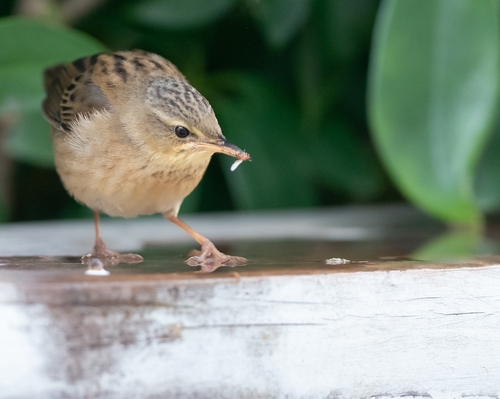 Siberische sprinkhaanzanger
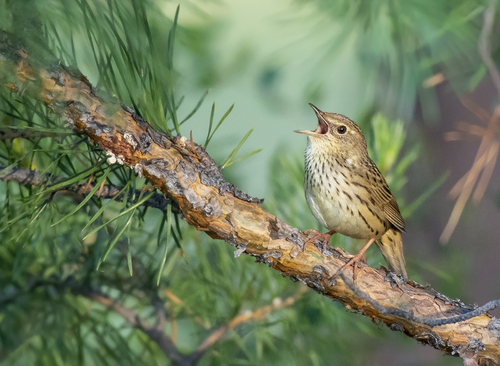 Kleine sprinkhaanzanger
Kort gezegd
Het meest betrouwbare veldkenmerk is de streping op de onderzijde: Kleine sprinkhaanzanger toont fijne, donkere strepen op de borst, flanken en onderstaart, terwijl Siberische sprinkhaanzanger schone, ongestreepte onderdelen heeft, behalve voor enkele strepen op de onderstaart. Beide hebben gestreepte bruine ruggen en kunnen op het eerste gezicht op elkaar lijken, vooral in dichte dekking of slecht licht. Siberische sprinkhaanzanger is iets groter, met een warmere bruine stuit en kenmerkende witte punten op de staart en tertials (het 'PG Tips'-kenmerk), terwijl Kleine sprinkhaanzanger kleiner en fijner gestreept is aan de onderzijde. Juvenielen van beide zijn onderaan geler, maar het verschil in streping op de onderzijde blijft cruciaal. Hun zang verschilt: die van Siberische is een melodieuze warble, niet de insectachtige reel van Kleine. Zorgvuldige aandacht voor de streping op de onderzijde en het patroon van staart/vleugels is de beste manier om deze twee in het veld te scheiden.
Herkenningstips
- Streping op de onderzijde is het meest betrouwbare kenmerk: Kleine sprinkhaanzanger toont altijd fijne, donkere strepen op de borst, flanken en onderstaart, in alle verenkleed. Siberische sprinkhaanzanger is schoon en ongestreept onderaan, behalve voor enkele strepen op de onderstaart. Dit geldt voor zowel volwassenen als juvenielen.
- Let op witte punten op staart en tertials (Siberische): Siberische sprinkhaanzanger toont scherpe witte punten op de staart en tertials, vooral wanneer de vogel zijn staart of vleugels flikkert. Kleine sprinkhaanzanger mist deze witte punten.
- Stuitkleur: Siberische heeft een warmere, roestbruine stuit in vergelijking met de minder contrasterende stuit van Kleine. Dit is subtiel maar kan helpen als de vogel zijn staart opent of zijn rug toont.
- Grootte: Siberische is iets groter en robuuster dan Kleine, maar dit is alleen nuttig als je een directe vergelijking of ervaring hebt.
- Juveniele kleur: De juvenielen van beide soorten zijn onderaan geler, maar het strepingspatroon blijft diagnostisch: Kleine is gestreept, Siberische is dat niet (behalve onderstaart).
- Zang: Siberische zingt een melodieuze, Acrocephalus-achtige warble; Kleine (bij implicatie) geeft een meer typische Locustella-reeling zang. Gebruik zang met voorzichtigheid, aangezien beide ventriloquial kunnen zijn en moeilijk te lokaliseren zijn.
- Rugstreping: Beide hebben gestreepte bruine ruggen; dit is geen scheiding.
- Streping op de onderstaart: Beide tonen hier enige streping, maar alleen Kleine strekt deze streping uit over de flanken en borst.
- Habitat: Beide gebruiken dichte, grasachtige dekking en kunnen overlappen in bereik; habitat is geen veilige scheiding.
- Gedrag: Beide zijn schuw en moeilijk te zien, sluipend door gras; gedrag scheidt hen niet betrouwbaar.
- Snavel-, vleugel- en staartstructuur: Geen sterke verschillen opgemerkt; beide zijn typische Locustella/Helopsaltes-zangers in vorm.
- Vluchtzicht: Let op witte staartpunten op Siberische in de vlucht; de staart van Kleine is eenvoudig.
- Context: Als je ze hoort zingen, let dan op het zangtype voor extra bevestiging.
- Valkuilen: Vertrouw niet op rugstreping of algehele bruine kleur; focus op streping op de onderzijde en kleur van staart/vleugelpunten.
- Geslacht en seizoen: Beide geslachten zijn gelijk; seizoensvariatie is minimaal, behalve voor de juvenile geelheid, die het belangrijkste strepingsverschil niet beïnvloedt.
Grootte
Siberische sprinkhaanzanger is een middelgrote zanger, iets groter dan Kleine sprinkhaanzanger, die als klein wordt beschreven. Het verschil is subtiel in het veld en niet altijd betrouwbaar bij een enkele vogel, maar als ze naast elkaar worden gezien, lijkt Siberische iets robuuster en langer, vooral in de staart. Beide soorten zijn verder vergelijkbaar in proporties, zonder vermelding van duidelijke verschillen in snavel lengte of vleugelprojectie.
Verenkleed
- Juveniele/onrijpe vogels: De jonge van beide soorten zijn onderaan geler, maar juvenielen van Kleine sprinkhaanzanger tonen al de kenmerkende fijne, donkere strepen op de borst, flanken en onderstaart, terwijl juvenielen van Siberische sprinkhaanzanger grotendeels ongestreept blijven, behalve voor enkele onderstaartstrepen.
- Volwassenen: Siberische sprinkhaanzanger heeft een gestreepte bruine rug, warme bruine stuit en schone witgrijze onderdelen zonder strepen, behalve op de onderstaart. De staart en tertials tonen witte punten, die zichtbaar zijn in goed licht of wanneer de vogel zijn staart opent of zijn vleugels flikkert. Volwassen Kleine sprinkhaanzanger heeft een gestreepte bruine rug, maar hun onderdelen zijn duidelijk gestreept met fijne, donkere 'lance-head' markeringen over de borst, flanken en onderstaart. De staart en tertials missen de scherpe witte punten van Siberische. Beide hebben vergelijkbare bovenste streping, maar het onderdeelpunt is de belangrijkste scheiding.
- Vluchtzicht: Geen specifieke opmerkingen over bovenvleugel of vluchtpatroon verschillen, maar de witte staartpunten van Siberische kunnen in de vlucht zichtbaar zijn, terwijl de staart van Kleine eenvoudiger lijkt.
Gedrag
Beide soorten zijn geheimzinnig en geven de voorkeur aan schuilen in dicht gras of laag loof, zelden tonen ze zich behalve wanneer ze zingen. Siberische sprinkhaanzanger wordt als bijzonder moeilijk te zien beschouwd, sluipend door gras en lage struiken. Er wordt geen melding gemaakt van grote gedragsverschillen tussen de twee, dus gedrag alleen is geen betrouwbare scheiding.
Habitat
Beide soorten broeden in natte graslanden, moerassen of dichte grasachtige gebieden in het Palearctisch gebied, met overlappende verspreidingsgebieden in delen van Noordoost-Azië. Siberische sprinkhaanzanger broedt van de Altai-bergen via Mongolië en Noordoost-China tot Sakhalin en de Koerilen, terwijl Kleine sprinkhaanzanger broedt van het noordwesten van Europees Rusland tot het noorden van Japan. Beide overwinteren in Zuidoost-Azië. Habitat is geen sterke scheiding waar hun verspreidingsgebieden overlappen, aangezien beide soortgelijke dichte, grasachtige omgevingen verkiezen.
Geluid
Siberische sprinkhaanzanger heeft een zang die een inventieve, Acrocephalus-achtige melodie is, heel anders dan de mechanische, insectachtige reel van de Sprinkhaanzanger en andere Locustella-zangers. De zang van Kleine sprinkhaanzanger wordt hier niet in detail beschreven, maar door weglating wordt geïmpliceerd dat deze meer typisch is voor Locustella (reeling of insectachtig). Dus, als je een melodieuze warble hoort, wijst dat op Siberische; als je een mechanische reel hoort, vermoed dan Kleine (maar bevestig met visuele kenmerken, aangezien zang variabel kan zijn en moeilijk te lokaliseren in dichte dekking).
Siberische sprinkhaanzanger · Kleine sprinkhaanzanger · Mijn lastige vogels