
Rouwtapuit vs Koerdische tapuit
Oenanthe lugens versus Oenanthe xanthoprymna
Speel een quiz met Rouwtapuit en Koerdische tapuit
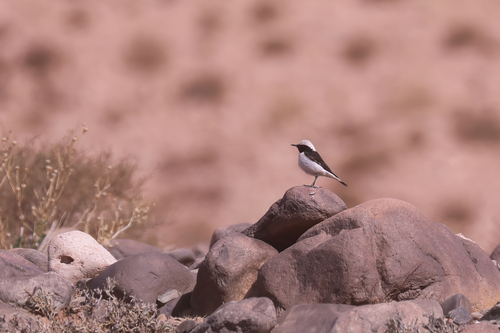 Rouwtapuit
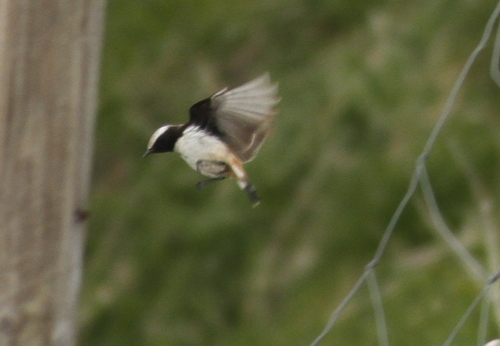 Koerdische tapuit
Kort gezegd
Het meest betrouwbare veldkenmerk tussen Rouwtapuit en Koerdische tapuit is het patroon van de staart en het stuitje in de vlucht: Rouwtapuit toont een witte staart met een gedurfde zwarte terminale band en een centrale zwarte 'T', terwijl Koerdische tapuit een witte staartbasis heeft met een donkere terminale band maar de centrale zwarte intrusie mist. Volwassen mannelijke Rouwtapuit is opvallend zwart-wit met een witte kroon en nek, terwijl mannelijke Koerdische tapuit een bleke grijze kroon, bruin-grijze rug en een kenmerkend oranje stuitje en onderstaartdekveren heeft, vooral merkbaar in de winter en in de vlucht. Vrouwtjes van beide zijn doffer, maar vrouwtjes Koerdische tapuit hebben een grijze oogvlek en gedempt oranje onder, terwijl vrouwtjes Rouwtapuit meer bruin of grijs-bruin zijn, afhankelijk van de ondersoort. Het vleugelpatroon in de vlucht is ook een aanwijzing: Rouwtapuit toont witte basissen van de primaire vleugels, wat een witte 'vlag' creëert, afwezig bij Koerdische tapuit. Structuur en grootte zijn zeer vergelijkbaar, dus focus op staart, stuitje en vleugelpatroon, vooral in de vlucht of bij onvolwassen vogels.
Herkenningstips
- Staartpatroon in de vlucht (alle leeftijden): Rouwtapuit toont een witte staart met een brede zwarte terminale band en een centrale zwarte intrusie, die een omgekeerde 'T' vormt—dit is diagnostisch. Koerdische tapuit heeft een witte staartbasis met een donkere terminale band maar mist de centrale zwarte 'T'.
- Stuit en onderstaartkleur (vooral in vlucht/winter): Koerdische tapuit (beide seksen, vooral mannetjes) toont oranje flanken, stuit en onderstaartdekveren, het meest opvallend in de vlucht of wanneer de staart is uitgespreid. Rouwtapuit toont nooit oranje op de stuit of onderstaart.
- Vleugelpatroon in de vlucht: Rouwtapuit flitst wit aan de basis van de primaire vleugels (de 'witte vlag') in de vlucht, zichtbaar als een gedurfde witte wig. De vleugels van Koerdische tapuit zijn houtskoolkleurig met bruine randen en missen een wit paneel of vlag.
- Patroon van de kop bij volwassen mannelijke vogels: Mannelijke Rouwtapuit hebben een witte kroon en nek met een zwarte kop, nek en rug. Mannelijke Koerdische tapuit hebben een bleke grijze kroon en nek, een witte supercilium, en een zwarte kop en keel gescheiden door de witte oogstreep.
- Rugkleur: Mannelijke Rouwtapuit hebben een zwarte rug; mannelijke Koerdische tapuit hebben een bruin-grijze rug.
- Onderzijde: Rouwtapuit is wit onder (behalve voor de zwarte nek/borst), terwijl Koerdische tapuit wit of buff onder is maar met oranje flanken en onderstaart.
- Vrouwtjesplumage: Vrouwelijke Rouwtapuit is bruin of grijs-bruin (afhankelijk van de ondersoort), nooit met oranje onder. Vrouwelijke Koerdische tapuit heeft een grijze oogvlek (niet zwart), gedempte oranje flanken en onderstaart, en over het algemeen doffere kleur.
- Ondersoorten verwarring: Ondersoorten van Rouwtapuit kunnen variëren, met sommige vrouwtjes die meer bruin of grijs-bruin zijn, maar geen hebben de oranje stuit/onderstaart van Koerdische tapuit.
- Vleugel in rust: De vleugels van Rouwtapuit lijken helemaal zwart in rust, terwijl die van Koerdische tapuit houtskoolkleurig zijn met bruine randen.
- Stem: Als je een harde 'chack-chack-chack' of een piepende warble hoort, is Koerdische tapuit waarschijnlijk. Rouwtapuit's stem wordt hier niet beschreven.
- Grootte en structuur: Beide zijn vergelijkbaar in grootte en structuur—verlaat je hier niet op voor scheiding.
- Habitat: Overlap is mogelijk; gebruik habitat niet alleen voor identificatie.
- Jizz: Beide zijn rechtopstaande, op de grond voeden tapuiten met vergelijkbaar gedrag; focus op plumage en vluchtmerken.
- Onvolwassen vogels: Als je een vogel ziet met een witte 'vlag' in de vleugel in de vlucht, is Rouwtapuit favoriet; als de vleugel uniform donker is met bruine randen en de stuit oranje is, is Koerdische tapuit waarschijnlijker.
- Valstrikken: Pas op voor vrouwelijke en onvolwassen Rouwtapuiten in de Maghreb, die bruinachtig kunnen lijken, maar nog steeds de oranje stuit/onderstaart van Koerdische tapuit missen.
Grootte
Beide soorten zijn vergelijkbaar in grootte, ongeveer 14–16 cm in lengte. Rouwtapuit is 14–16 cm en 19–25 g, terwijl Koerdische tapuit ongeveer 14 cm is (gewicht niet gespecificeerd maar waarschijnlijk vergelijkbaar). Er is geen betekenisvol formaatverschil in het veld.
Verenkleed
-
Jong/eerste-winter/onvolwassen (wanneer zichtbaar): Er is geen specifiek jong bovenvleugelpatroon beschreven voor beide soorten, maar de witte basissen van de primaire vleugels van de volwassen Rouwtapuit (de 'witte vlag') kunnen ook zichtbaar zijn bij jongere vogels. Koerdische tapuit toont deze witte kleur niet in de vleugel, maar heeft in plaats daarvan houtskoolkleurige vleugels met bruine randen.
-
Volwassen mannelijke Rouwtapuit: Opvallend zwart-wit: witte kroon, nek, borst en buik; zwarte kop, nek en rug. Staart is wit met een zwarte terminale band en centrale zwarte intrusie ('T'-patroon). Vleugels lijken helemaal zwart in rust, maar tonen in de vlucht wit aan de basis van de primaire vleugels.
-
Volwassen mannelijke Koerdische tapuit: Bleke grijze kroon en nek, witte supercilium, zwarte kop en keel, bruin-grijze rug, witte of buff onderzijde, oranje flanken en onderstaartdekveren, en een witte staartbasis met een donkere terminale band (geen centrale zwarte 'T'). Vleugels zijn houtskoolkleurig, met bruine randen, zonder wit paneel of 'vlag'. Oranje stuit en onderstaartdekveren zijn vooral opvallend in de vlucht en in de winter.
-
Vrouwtjes: Vrouwelijke Rouwtapuit zijn minder zwart, meer bruin of grijs-bruin (vooral in Maghreb-ondersoorten), maar missen nog steeds oranje onder. Vrouwelijke Koerdische tapuit heeft een grijze oogvlek (niet zwart), gedempte oranje flanken en onderstaart, en over het algemeen doffere kleur.
-
Ondersoorten: Rouwtapuit heeft variabele vrouwelijke plumage per ondersoort, maar toont nooit de oranje stuit of onderstaart van Koerdische tapuit.
Gedrag
Beide soorten zijn typische rechtopstaande, op de grond voeden tapuiten, vaak zittend op rotsen of lage struiken. Geen grote gedragsverschillen worden beschreven in de bronnen. Beide tonen staartflikkering en rechtopstaande houdingen, en beide kunnen op insecten jagen. In de vlucht kan Rouwtapuit meer wit in de vleugels flitsen door de witte basissen van de primaire vleugels.
Habitat
Beide soorten komen voor in droge, rotsachtige habitats in het Midden-Oosten en aangrenzende gebieden. Rouwtapuit wordt gevonden in heel Noord-Afrika en het Midden-Oosten, terwijl Koerdische tapuit meer gelokaliseerd is in het Midden-Oosten. Habitatoverlap is mogelijk, dus habitat alleen is niet diagnostisch.
Geluid
Koerdische tapuit heeft een harde 'chack-chack-chack' roep en een lied dat lijkt op Tapuit, beschreven als een piepende warble. Geen vocale details worden gegeven voor Rouwtapuit in de bronnen, dus de stem is geen betrouwbare scheiding tenzij de harde roep van Koerdische tapuit wordt gehoord.