
Mourning Wheatear vs Kurdish Wheatear
Oenanthe lugens contro Oenanthe xanthoprymna
Fai un quiz con Mourning Wheatear e Kurdish Wheatear
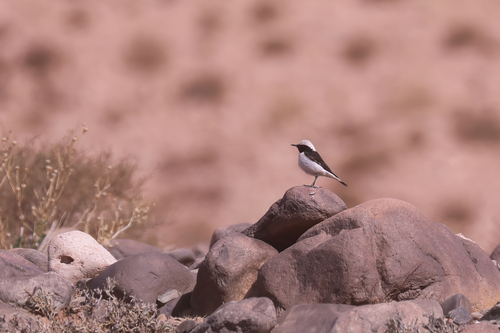 Mourning Wheatear
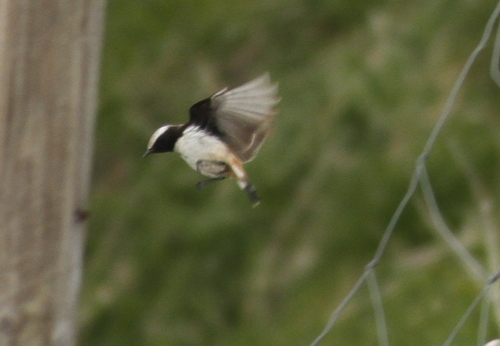 Kurdish Wheatear
In breve
Il segno distintivo più affidabile tra il Culbianco e il Kurdish Wheatear è il modello della coda e del dorso in volo: il Culbianco mostra una coda bianca con una larga banda terminale nera e una 'T' nera centrale, mentre il Kurdish Wheatear ha una base della coda bianca con una banda terminale scura ma manca dell'intrusione nera centrale. Il maschio adulto del Culbianco è sorprendentemente bianco e nero con una corona e una nuca bianche, mentre i maschi del Kurdish Wheatear hanno una corona grigia chiara, un dorso grigio-bruno e un caratteristico dorso arancione e copritrici sotto-coda, particolarmente evidenti in inverno e in volo. Le femmine di entrambi sono più opache, ma le femmine del Kurdish Wheatear hanno una macchia oculare grigia e un arancione attenuato sotto, mentre le femmine del Culbianco sono più brune o grigio-brune a seconda della sottospecie. Il modello delle ali in volo è anche un indizio: il Culbianco mostra basi bianche alle primarie, creando una 'bandiera' bianca, assente nel Kurdish Wheatear. La struttura e la dimensione sono molto simili, quindi concentrati su coda, dorso e modello delle ali, specialmente in volo o sugli immaturi.
Consigli di identificazione
- Modello della coda in volo (tutte le età): Il Culbianco mostra una coda bianca con una larga banda terminale nera e un'intrusione nera centrale, formando una 'T' invertita—questo è diagnostico. Il Kurdish Wheatear ha una base della coda bianca con una banda terminale scura ma manca della 'T' nera centrale.
- Colore del dorso e sotto-coda (specialmente in volo/inverno): Il Kurdish Wheatear (entrambi i sessi, specialmente i maschi) mostra fianchi, dorso e copritrici sotto-coda arancioni, più evidenti in volo o quando la coda è aperta. Il Culbianco non mostra mai arancione sul dorso o sotto-coda.
- Modello delle ali in volo: Il Culbianco lampeggia bianco alla base delle primarie (la 'bandiera bianca') in volo, visibile come un ampio cuneo bianco. Le ali del Kurdish Wheatear sono carbone con bordi marroni e mancano di qualsiasi pannello o bandiera bianca.
- Modello della testa del maschio adulto: I maschi del Culbianco hanno una corona e una nuca bianche con un volto, un collo e un dorso neri. I maschi del Kurdish Wheatear hanno una corona e una nuca grigie chiare, un sopracciglio bianco e un volto e una gola neri separati dalla striscia oculare bianca.
- Colore del dorso: I maschi del Culbianco hanno un dorso nero; i maschi del Kurdish Wheatear hanno un dorso grigio-bruno.
- Parti inferiori: Il Culbianco è bianco sotto (eccetto per il collo/petto nero), mentre il Kurdish Wheatear è bianco o crema sotto ma con fianchi e sotto-coda arancioni.
- Piumaggio femminile: La femmina del Culbianco è bruna o grigio-bruna (a seconda della sottospecie), mai con arancione sotto. La femmina del Kurdish Wheatear ha una macchia oculare grigia (non nera), fianchi e sotto-coda arancioni attenuati e una colorazione generalmente più opaca.
- Confusione tra sottospecie: Le sottospecie del Culbianco possono variare, con alcune femmine che sono più brune o grigio-brune, ma nessuna ha il dorso/arancione sotto-coda del Kurdish Wheatear.
- Ali a riposo: Le ali del Culbianco sembrano tutte nere a riposo, mentre quelle del Kurdish Wheatear sono carbone con bordi marroni.
- Voce: Se senti un 'chack-chack-chack' aspro o un warble stridulo, è probabile che sia un Kurdish Wheatear. La voce del Culbianco non è descritta qui.
- Dimensione e struttura: Entrambi sono simili in dimensione e struttura—non fare affidamento su questo per la separazione.
- Habitat: È possibile sovrapposizione; non usare l'habitat da solo per l'identificazione.
- Jizz: Entrambi sono wheatears eretti e che si nutrono a terra con un comportamento simile; concentrati su piumaggio e segni di volo.
- Uccelli immaturi: Se vedi un uccello con una 'bandiera' bianca nell'ala in volo, è favorito il Culbianco; se l'ala è uniformemente scura con bordi marroni e il dorso è arancione, è più probabile il Kurdish Wheatear.
- Trappole: Fai attenzione alle femmine e agli immaturi del Culbianco nel Maghreb, che possono apparire bruni, ma mancano comunque del dorso/arancione sotto-coda del Kurdish Wheatear.
Taglia
Entrambe le specie sono simili in dimensione, circa 14–16 cm di lunghezza. Il Culbianco è 14–16 cm e 19–25 g, mentre il Kurdish Wheatear è circa 14 cm (peso non specificato ma probabilmente simile). Non c'è una differenza di dimensione significativa sul campo.
Piumaggio
-
Giovanile/primo inverno/immaturo (quando visibile): Non è descritto alcun modello specifico della parte superiore dell'ala giovanile per entrambe le specie, ma le basi bianche delle primarie del Culbianco adulto (la 'bandiera bianca') possono essere visibili anche negli uccelli più giovani. Il Kurdish Wheatear non mostra questo bianco nell'ala, avendo invece ali carbone con bordi marroni.
-
Maschio adulto del Culbianco: Sorprendentemente bianco e nero: corona, nuca, petto e pancia bianchi; testa, collo e dorso neri. La coda è bianca con una banda terminale nera e un'intrusione nera centrale (modello 'T'). Le ali sembrano tutte nere a riposo, ma in volo mostrano bianco alla base delle primarie.
-
Maschio adulto del Kurdish Wheatear: Corona e nuca grigie chiare, sopracciglio bianco, volto e gola neri, dorso grigio-bruno, parti inferiori bianche o crema, fianchi e copritrici sotto-coda arancioni, e una base della coda bianca con una banda terminale scura (senza 'T' nera centrale). Le ali sono carbone, bordate di marrone, senza pannello o 'bandiera' bianca. Il dorso e le copritrici della coda arancioni sono particolarmente evidenti in volo e in inverno.
-
Femmine: Le femmine del Culbianco sono meno nere, più brune o grigio-brune (specialmente nelle sottospecie del Maghreb), ma mancano comunque di arancione sotto. Le femmine del Kurdish Wheatear hanno una macchia oculare grigia (non nera), fianchi e sotto-coda arancioni attenuati e una colorazione complessivamente più opaca.
-
Sottospecie: Il Culbianco ha un piumaggio femminile variabile a seconda della sottospecie, ma non mostra mai il dorso o sotto-coda arancione del Kurdish Wheatear.
Comportamento
Entrambe le specie sono tipici wheatears eretti e che si nutrono a terra, spesso posandosi su rocce o arbusti bassi. Non sono descritte differenze comportamentali significative nelle fonti. Entrambi mostrano movimenti della coda e posture erette, e entrambi possono lanciarsi per catturare insetti. In volo, il Culbianco può lampeggiare più bianco nelle ali a causa delle basi primarie bianche.
Habitat
Entrambe le specie si trovano in habitat aridi e rocciosi nel Medio Oriente e nelle regioni adiacenti. Il Culbianco è presente in tutto il Nord Africa e il Medio Oriente, mentre il Kurdish Wheatear è più localizzato nel Medio Oriente. È possibile sovrapposizione degli habitat, quindi l'habitat da solo non è diagnostico.
Voce
Il Kurdish Wheatear ha un richiamo aspro 'chack-chack-chack' e un canto simile al Culbianco, descritto come un warble stridulo. Non sono forniti dettagli vocali per il Culbianco nelle fonti, quindi la voce non è un separatore affidabile a meno che non si senta il richiamo aspro del Kurdish.
Mourning Wheatear · Kurdish Wheatear · I miei uccelli difficili